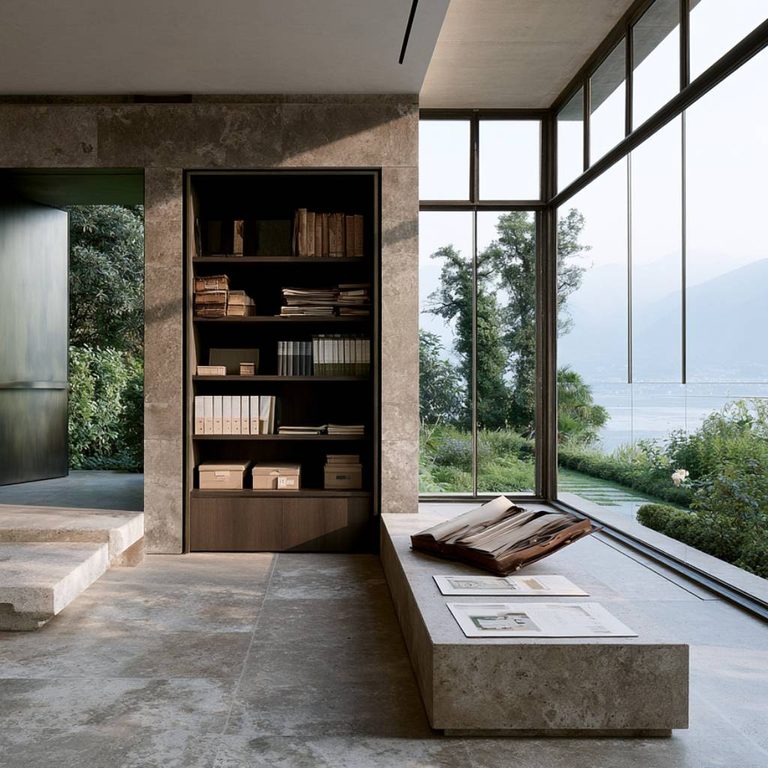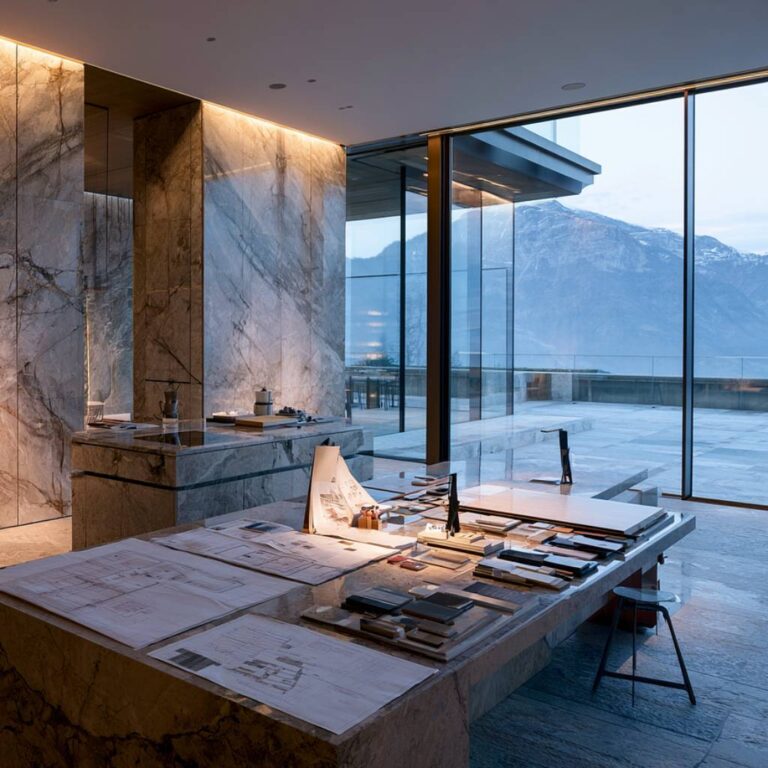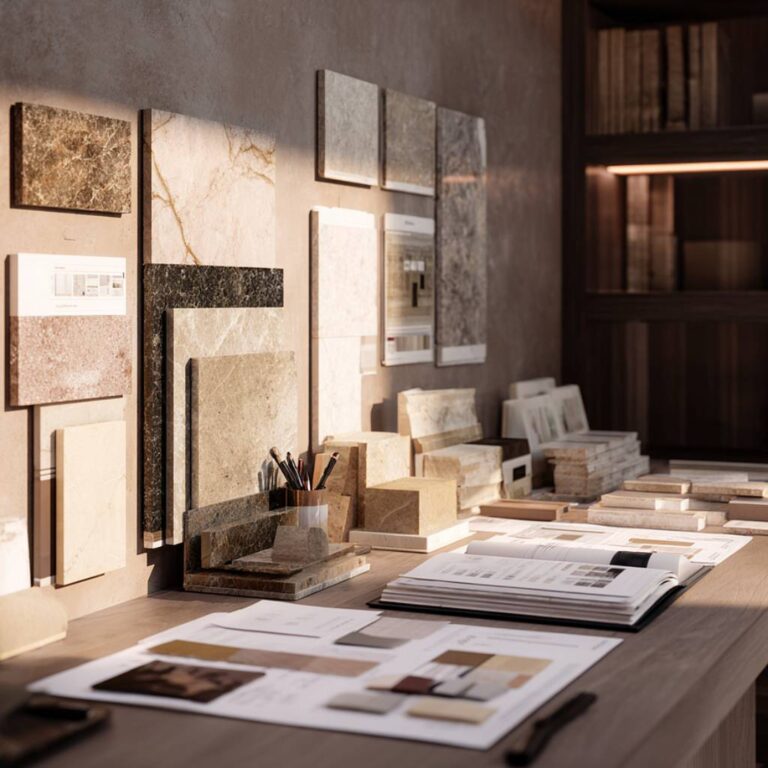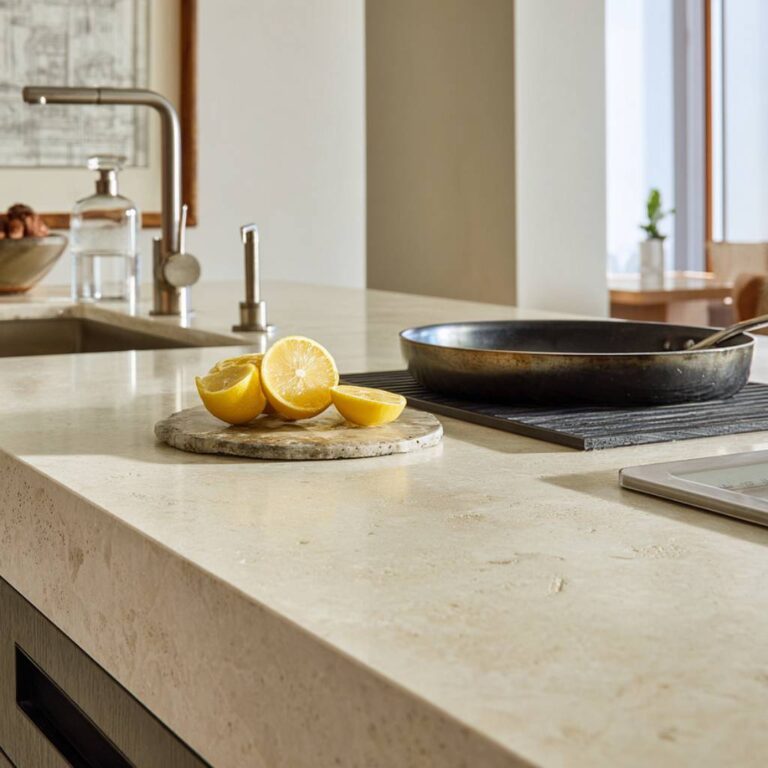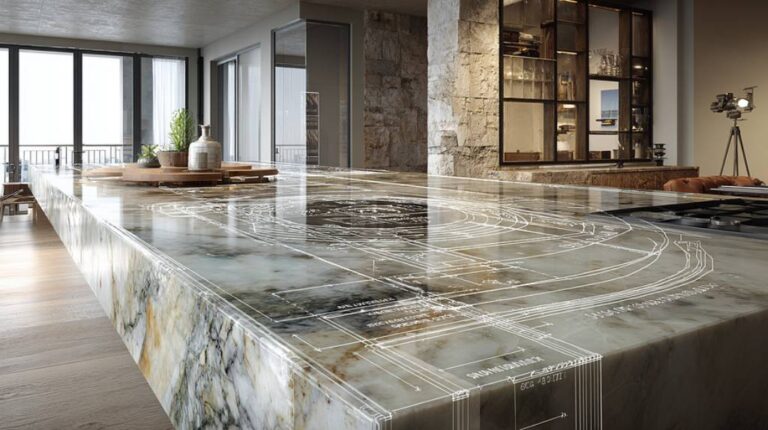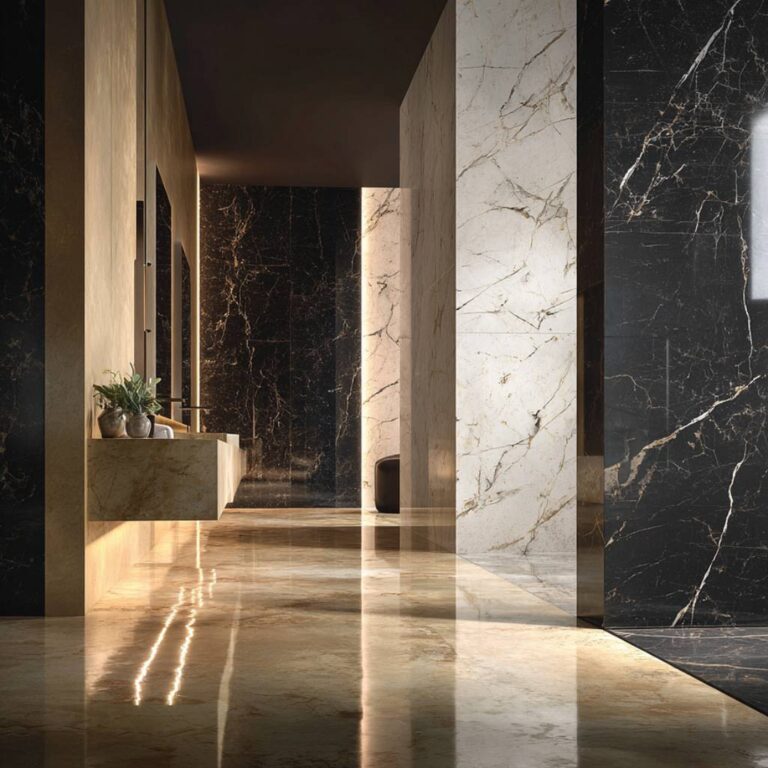
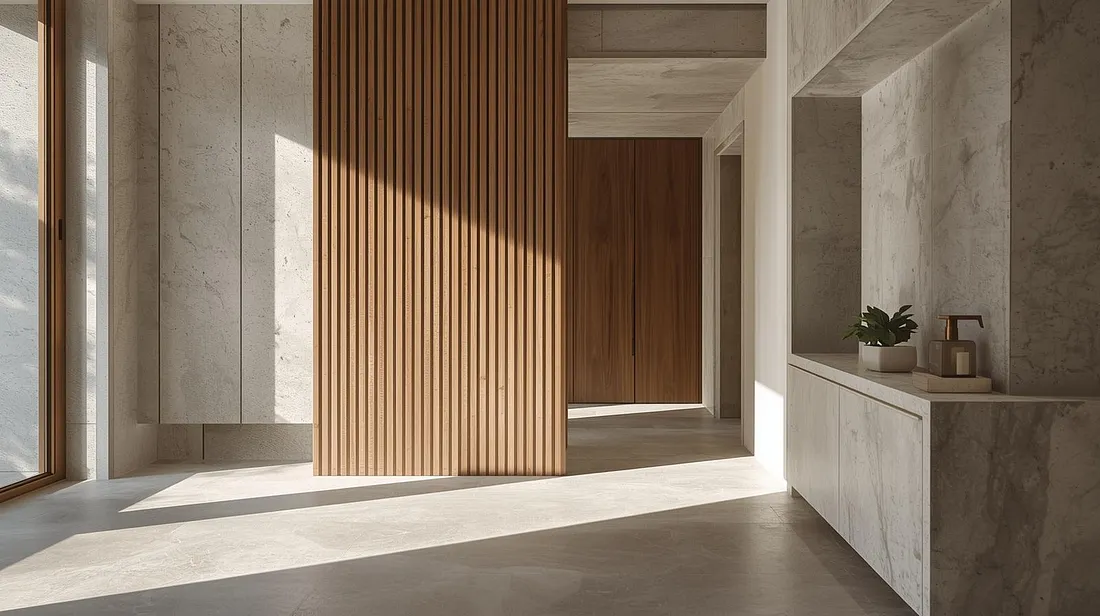
In luxury residential architecture, material selection is often misunderstood as an exercise in visual richness. Stone, wood, metal, and glass are frequently discussed in terms of finish, colour, and brand value. However, in well-designed luxury homes, materials are chosen less for how they appear on day one and more for how they perform over decades.
This distinction separates decorative luxury from architectural quality. A home designed for long-term living demands materials that respond predictably to climate, use, maintenance, and time. Appearance matters, but it is never the primary criterion. Performance is.
This article explains how material selection decisions are actually made in high-quality residential projects, and why performance consistently overrides surface-level aesthetics.
1. Understanding Performance as a Design Metric
In architecture, performance refers to how a material behaves under real conditions. This includes durability, thermal response, moisture resistance, maintenance requirements, ageing characteristics, and compatibility with other systems in the building.
Luxury homes are not exempt from these considerations; in fact, they intensify them. Larger spans, higher ceilings, extensive glazing, and complex spatial layouts place greater demands on materials. A visually striking material that fails under heat, humidity, or repeated use quickly becomes a liability.
Therefore, material selection begins with a simple question:
How will this material behave five, ten, or twenty years from now in this specific context?
2. Climate as the First Filter
Before aesthetics are discussed, climate eliminates many material choices outright.
In warm and humid regions, materials that trap heat or absorb moisture excessively create long-term problems. In dry climates, materials that crack or warp due to thermal variation are unsuitable. Coastal environments introduce corrosion risks, while polluted urban settings accelerate surface degradation.
For example, a polished natural stone that performs well in controlled interiors may deteriorate rapidly in semi-open spaces exposed to moisture and dust. Similarly, certain hardwoods that appear luxurious may deform or decay without constant maintenance in high-humidity zones.
In performance-driven design, materials are evaluated in situ, not in isolation.
3. Structural Compatibility and Load Behaviour
Luxury homes often feature large cantilevers, minimal supports, and open-plan layouts. These architectural choices directly influence material selection.
Flooring materials must accommodate structural movement without cracking. Wall finishes must tolerate minor deflections. Cladding systems must integrate with expansion joints and structural tolerances.
A visually refined finish that lacks flexibility or resilience becomes incompatible with the structure beneath it. This is why high-performing luxury homes often favour materials with predictable mechanical behaviour over visually dramatic but fragile alternatives.
The decision is not about cost or prestige; it is about reliability.
4. Surface Ageing and Patina
One of the least discussed aspects of material selection is how surfaces age.
In many projects, materials are chosen based on showroom appearance. However, luxury homes are lived in, not displayed. Foot traffic, sunlight, cleaning, and daily use alter surfaces continuously.
Materials that age gracefully, developing a patina rather than visible damage are prioritised in performance-led design. Natural stones that soften over time, woods that deepen in tone, and metals that oxidise evenly tend to outlast trend-driven finishes that show wear immediately.
This approach accepts ageing as inevitable and designs for it, rather than attempting to resist it.
5. Maintenance as a Design Responsibility
Maintenance is often treated as an operational issue, but in architectural practice, it is a design decision.
Materials that require specialised cleaning, frequent sealing, or constant monitoring impose long-term burdens on homeowners. In luxury residences, this burden is often underestimated during design stages.
Performance-oriented material selection aims to minimise dependency on intensive upkeep. This does not mean eliminating refinement, but ensuring that maintenance aligns with realistic living patterns.
A home that looks exceptional but requires constant intervention to remain functional fails the basic test of residential design.
6. Thermal and Acoustic Performance
Material selection plays a critical role in comfort, particularly in high-end homes with expansive spaces.
Floor finishes influence thermal comfort underfoot. Wall assemblies affect heat retention and dissipation. Ceiling treatments contribute to acoustic behaviour in large rooms.
Materials are evaluated not just individually, but as part of layered systems. A visually appealing surface that performs poorly acoustically or thermally may be rejected in favour of a more balanced alternative.
In performance-driven design, comfort is not added later; it is embedded through material logic.
7. Integration with Services and Systems
Luxury homes incorporate complex mechanical, electrical, and plumbing systems. Materials must accommodate access, concealment, and servicing without compromising integrity.
Wall finishes must allow for future interventions. Flooring systems must tolerate service routing. External materials must integrate with drainage and waterproofing strategies.
Materials that resist modification or complicate servicing create long-term operational risks. As a result, performance-led selection favours materials that support adaptability rather than fixed perfection.
8. Longevity Over Visual Novelty
Trends influence surface finishes more than structural or functional elements. In luxury architecture, resisting this influence is a deliberate choice.
Materials selected for performance often appear understated initially. Their value becomes apparent over time, as they remain stable while trend-driven alternatives require replacement.
This longevity is a defining characteristic of architectural luxury. It is not immediately recognisable, but it becomes evident through continued use without degradation.
9. Cost Evaluation Beyond Initial Outlay
Performance-based material selection reframes cost discussions.
Instead of focusing on initial expense, designers evaluate:
- Replacement cycles
- Maintenance costs
- Repair feasibility
- Impact of failure
A material that appears expensive upfront may be more economical over the life of the building. Conversely, visually attractive low-performance materials often incur repeated costs through repair and replacement.
Luxury projects that prioritise performance account for these long-term implications early in the design process.
10. Why Performance Ultimately Defines Luxury
In residential architecture, luxury is not defined by how a home photographs or how it is perceived on completion day. It is defined by how reliably it supports daily life over time.
Materials that perform consistently reduce friction between the building and its occupants. They require less attention, fewer corrections, and fewer compromises.
This quiet reliability is the true marker of architectural quality.
Conclusion
Material selection in luxury homes is not an aesthetic exercise disguised as architecture. It is a technical, contextual, and forward-looking process grounded in performance.
When materials are chosen for how they respond to climate, structure, use, and time, the resulting home feels effortless to inhabit. The architecture recedes, allowing life to take precedence.
This is where luxury ultimately resides; not in surface appeal, but in enduring performance that remains unnoticed precisely because it works.