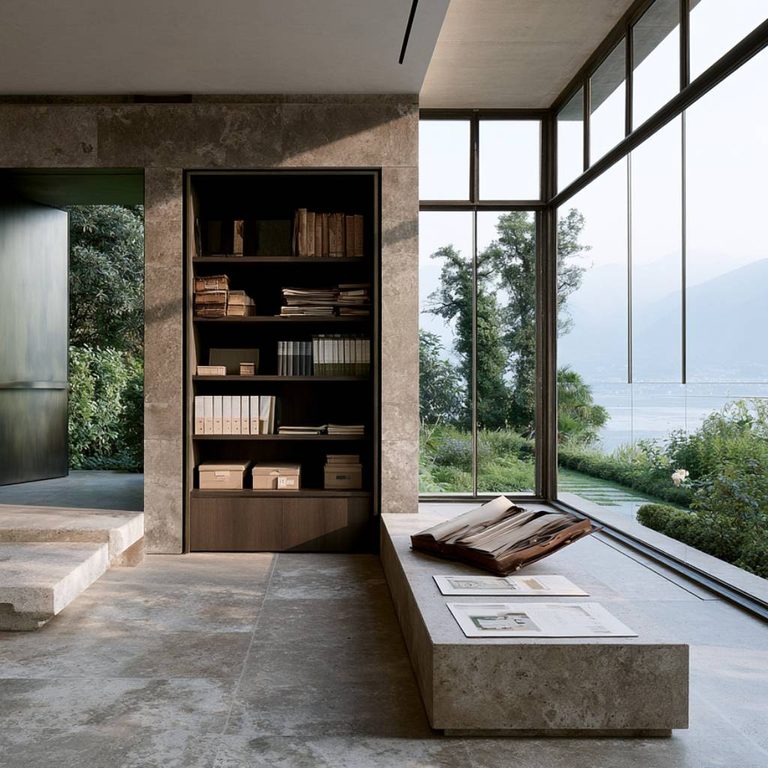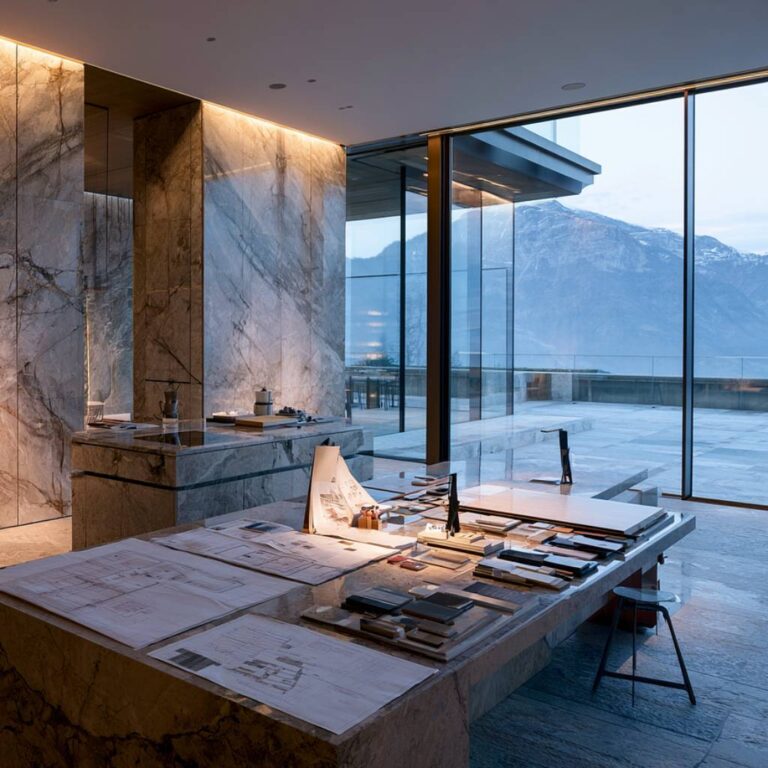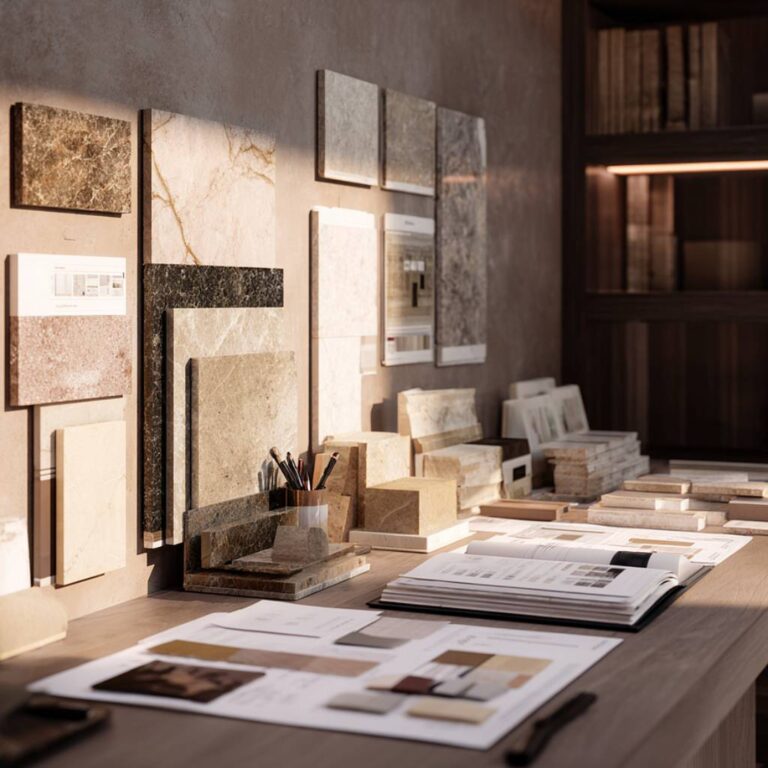
In luxury residential construction, decisions are often approved on drawings, digital renders, and small material samples. Edges are sketched at scale. Finishes are selected from hand-sized swatches. Junctions are imagined through technical sections.
But buildings are not built at 1:10 scale. They are built at full scale.
And it is at full scale that risk becomes visible.
Mock-ups remain one of the most undervalued tools in high-end construction, not because they lack importance, but because their value is misunderstood. They are often perceived as aesthetic rehearsals, a chance to see what something “will look like.” In reality, mock-ups are risk control mechanisms. They test decisions before those decisions become irreversible.
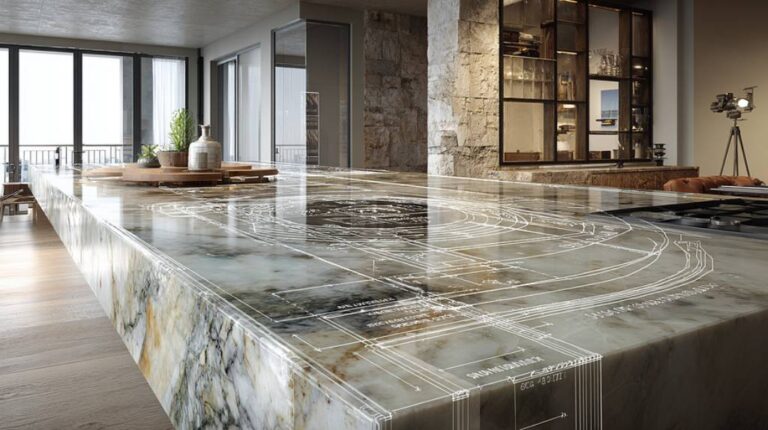
A drawing can specify a shadow gap. A rendering can suggest a seamless edge. A small stone sample can demonstrate colour. But none of these reveal how materials behave together at junctions, under light, and across real spans.
Full-scale mock-ups do.
Consider a simple floor-to-wall transition. On paper, the detail appears resolved. The stone meets plaster cleanly. The shadow line is dimensioned precisely. Yet when constructed at scale, tolerances shift. Material thickness interacts differently than expected. Adhesive beds alter levels by millimetres. Light grazes the surface and exposes micro irregularities.
A mockup exposes these conditions early.
Junction testing is one of the most critical functions of mockups in luxury homes. High-end architecture increasingly relies on minimal detailing — tight edges, concealed skirting, flush thresholds, large-format slabs. These details operate within extremely narrow tolerance bands. A miscalculation of even a few millimetres can disrupt alignment across an entire elevation.
When tested in isolation on site, such errors require correction under pressure. When tested in mockup form before procurement, they become adjustments rather than failures.
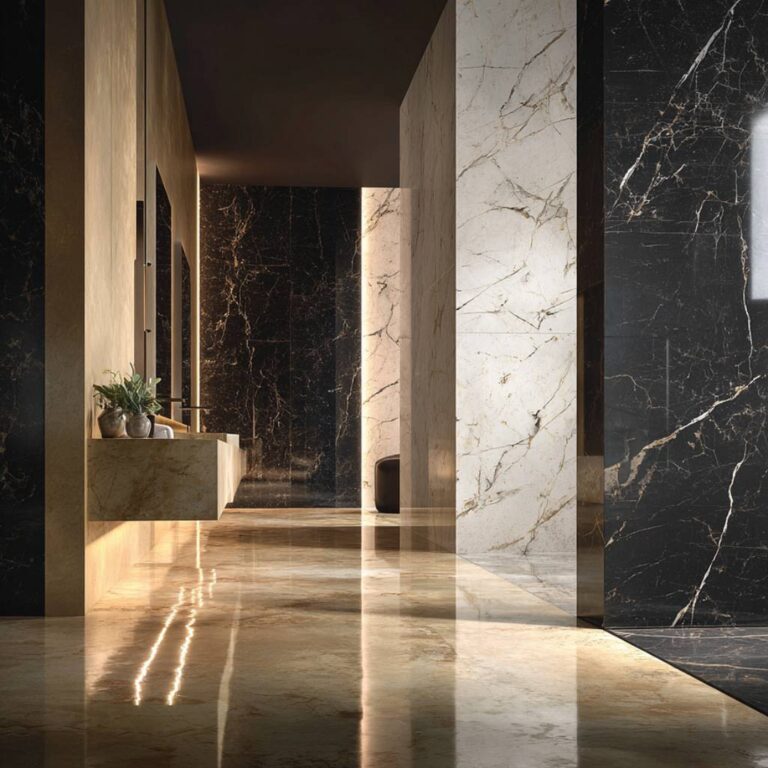
Polish sampling is another underestimated dimension. A small slab fragment does not reveal how a polished surface behaves across three metres under natural light. Reflection levels shift. Veining becomes directional. Gloss intensifies or softens depending on orientation and light angle.
Only a full-scale mockup allows evaluation of surface behaviour in real environmental conditions.
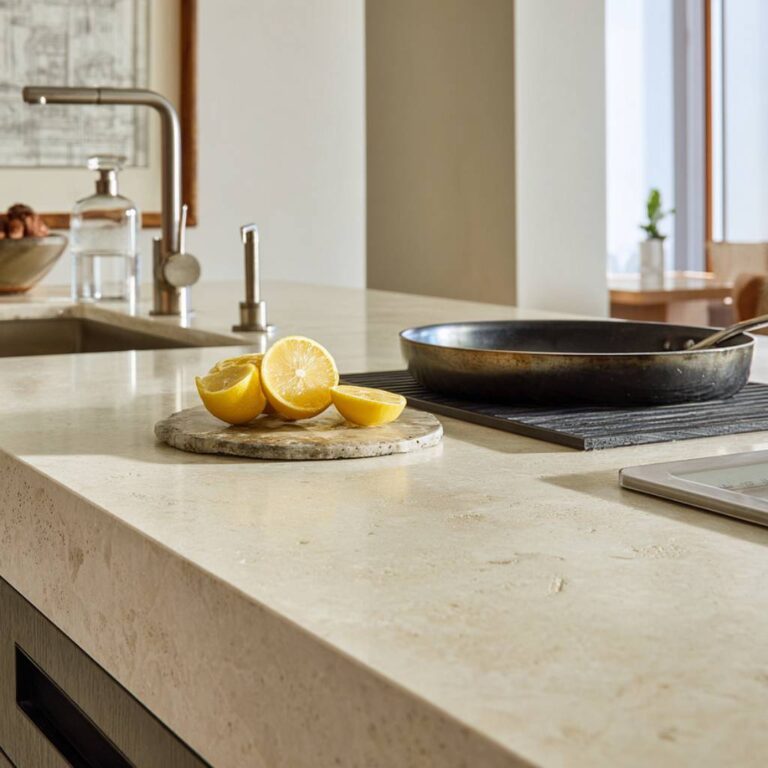
Edge detailing carries similar sensitivity. Mitred edges, waterfall transitions, and monolithic slab corners may appear seamless in visualizations. In practice, fabrication tolerances, handling stress, and installation sequencing introduce variables. Testing these details at full scale allows teams to refine handling methods and adjust edge treatments before final materials arrive.
Light response is perhaps the most subtle and most revealing element of all.
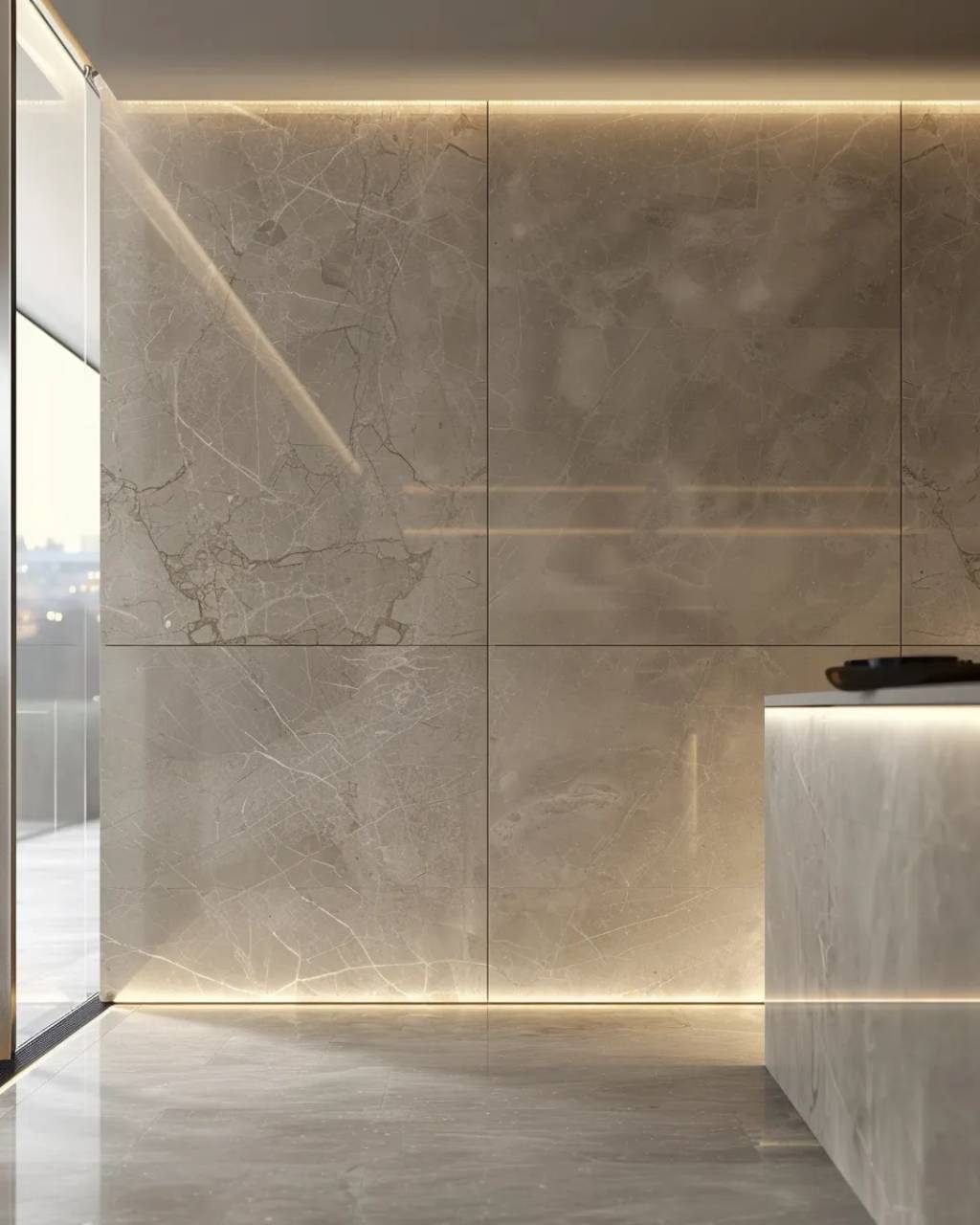
Materials do not exist independently of light. Concealed LED strips, wall washers, daylight penetration, and exterior glow all interact with surface texture. A honed finish may appear soft under diffused light but uneven under grazing illumination. A polished surface may amplify minor undulations when hit by lateral daylight.
Mockups allow lighting and material to be evaluated together and not as isolated specifications, but as a system.
In high-end construction, the financial logic of mockups is often questioned. They require additional material, labour, and time. But their cost is marginal compared to the cost of rework. Testing a junction in advance prevents demolition later. Adjusting polish or orientation early avoids batch replacement. Refining an edge profile in a controlled environment protects structural integrity once installation begins.
Mockups convert uncertainty into clarity.
They also align teams. Architects, contractors, fabricators, and clients view the same physical detail, rather than interpreting drawings independently. Assumptions are reduced. Expectations are calibrated. Performance is verified before commitment.
For technically sensitive materials, particularly rigid, monolithic surfaces, mockups are not optional. They are protective. Large-format natural materials behave differently than modular finishes. Their weight, veining continuity, and edge precision require rehearsal. Testing anchoring systems, slab orientation, and joint spacing under real conditions prevents expensive surprises.
Luxury at the highest level is defined by what does not go wrong.
Mockups do not eliminate complexity. They expose it while correction remains affordable. They transform theoretical detailing into measurable performance. They allow adjustment before execution.
In a discipline where margins of error are measured in millimetres and reputational risk in decades, full-scale testing is not indulgence. It is intelligence.
The most refined homes are rarely those built without revision. They are those revised before final installation.
Mockups are where refinement truly begins.