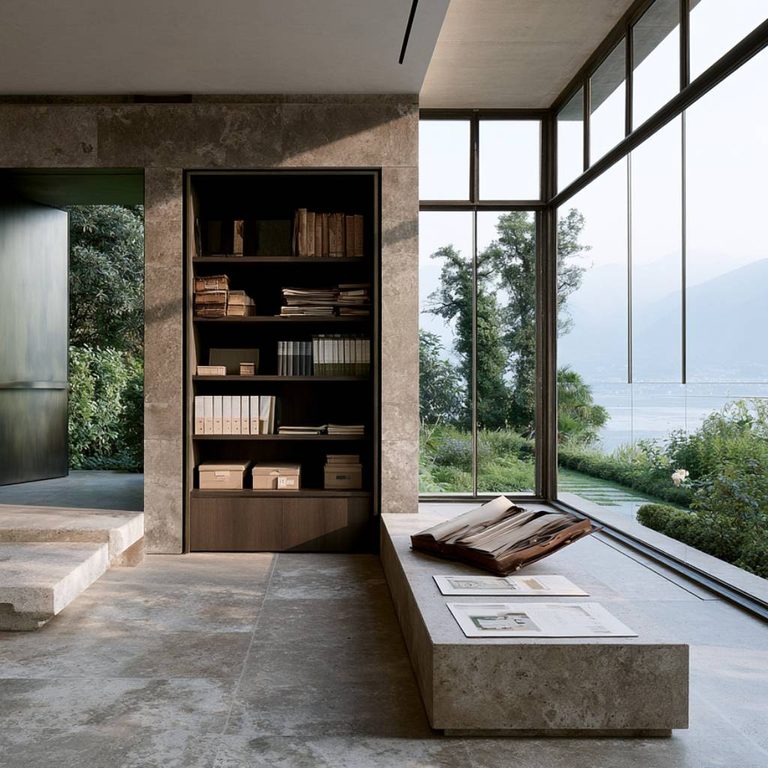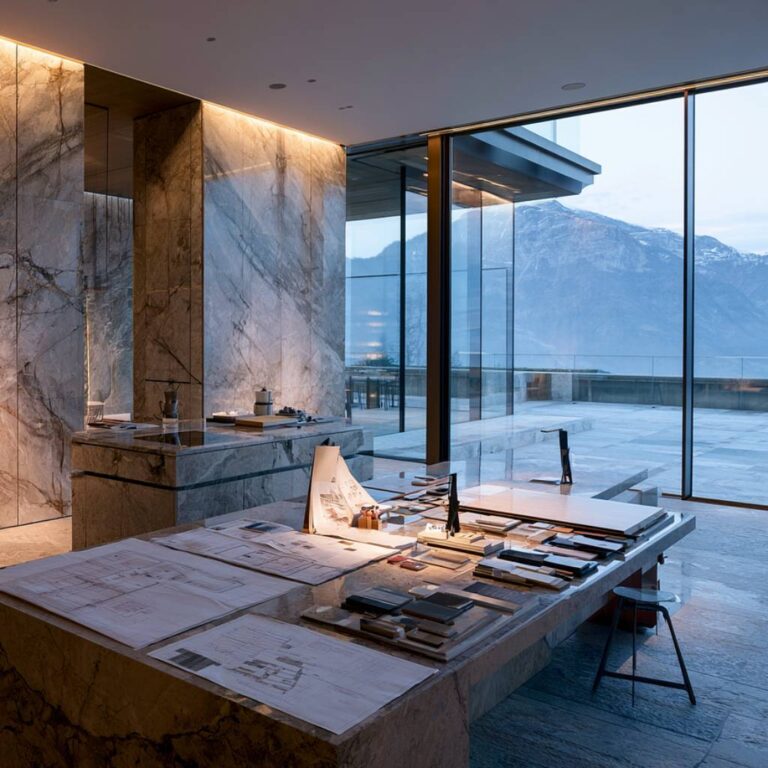
Luxury homes are often imagined through the lens of finishes. The conversation begins with marble, timber, lighting, imported hardware, and the visual calm of perfectly composed interiors. Renderings show seamless surfaces and uncluttered spaces, as if the house will remain suspended in that pristine moment forever. Yet the reality of residential architecture is that a home is not a photograph. It is a working environment, shaped over decades by use, weather, servicing, and inevitable change. In that long life, one of the most overlooked aspects of luxury is not aesthetics at all, but maintenance.
Designing for maintenance is rarely glamorous. It does not appear in brochures. It is not the first question clients ask. But it is one of the clearest distinctions between a home that remains exceptional over time and one that begins to deteriorate quietly, despite its cost. Many expensive houses fail not because they were poorly designed visually, but because they were not designed to be lived with operationally. Luxury, in practice, is not just about how a home looks on day one. It is about how effortlessly it continues to function on year ten.
The challenge is that residential projects are often driven by short-term completion milestones. The focus becomes achieving the finished image: the perfect façade, the flawless bathroom, the uninterrupted ceiling line. Maintenance is pushed into the background, treated as a future concern. But architecture does not end at handover. The building immediately enters its longest phase: occupation. Systems begin to age, surfaces experience wear, and small service requirements become recurring realities. When maintenance has not been considered from the beginning, even minor issues become disruptive and expensive.
One of the most common maintenance failures in luxury homes is the invisibility of services. Contemporary luxury design often celebrates minimalism, clean junctions, and hidden infrastructure. Air-conditioning grills are concealed, access panels are avoided, drainage lines disappear behind finished walls, and lighting systems are integrated seamlessly into ceilings. While visually refined, this approach can create serious operational problems. Every building system requires access: plumbing lines need inspection, electrical connections need servicing, HVAC equipment needs cleaning and replacement. If access has been sacrificed for visual purity, maintenance becomes invasive. Walls are opened, ceilings are cut, finishes are damaged, and costs escalate dramatically for what should have been routine work.
The same issue appears in wet areas, where luxury finishes often conceal the realities of water. Bathrooms and terraces may look flawless at completion, but waterproofing is only as durable as the detailing that protects it. Poorly planned slopes, inaccessible drainage points, or insufficient inspection zones can lead to seepage that emerges years later, when repair is far more complex. A luxury home with imported stone can still suffer from basic failures if maintenance realities were not built into the design logic.
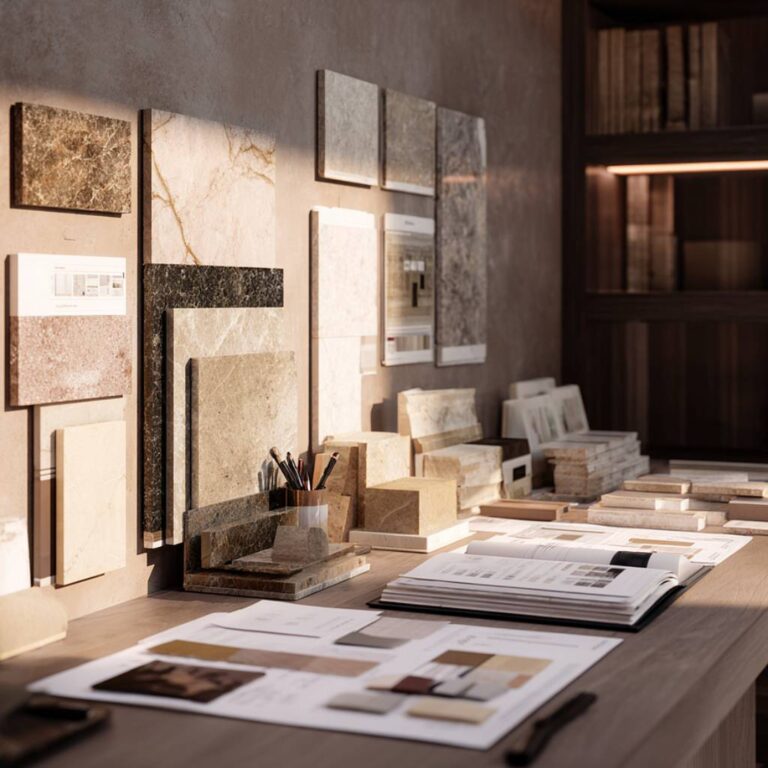
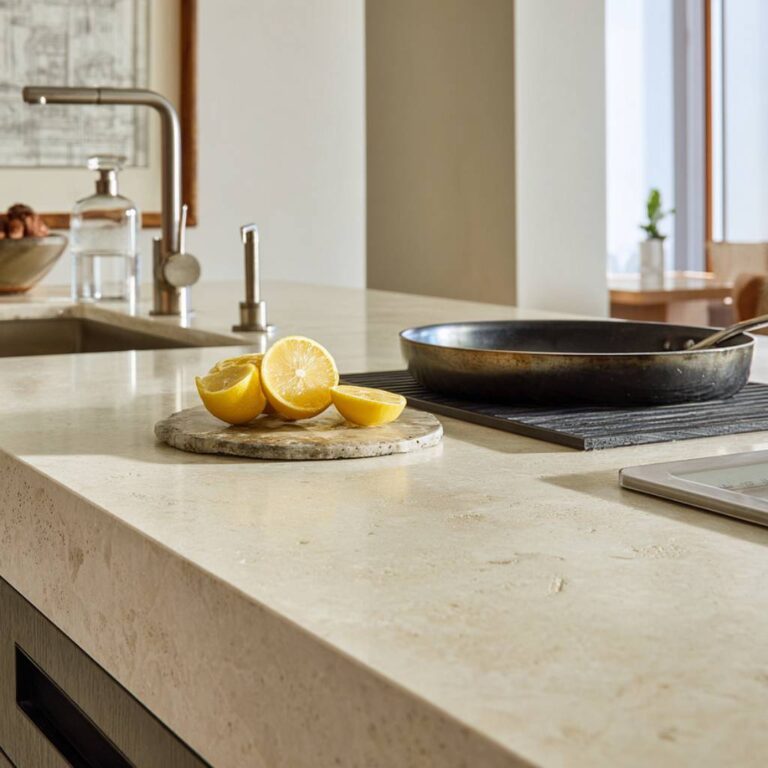
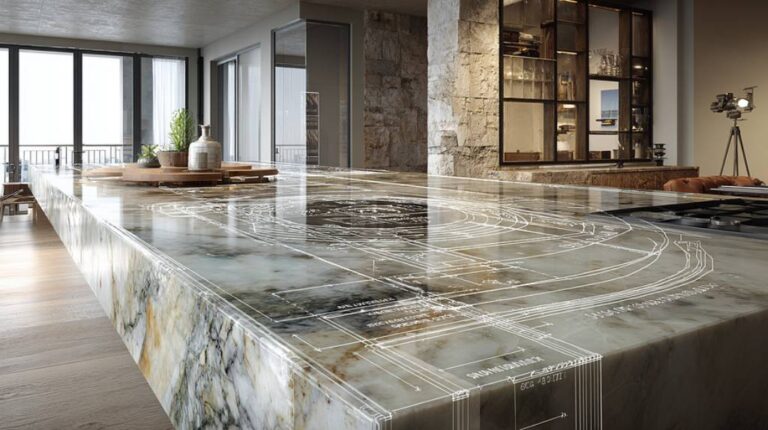
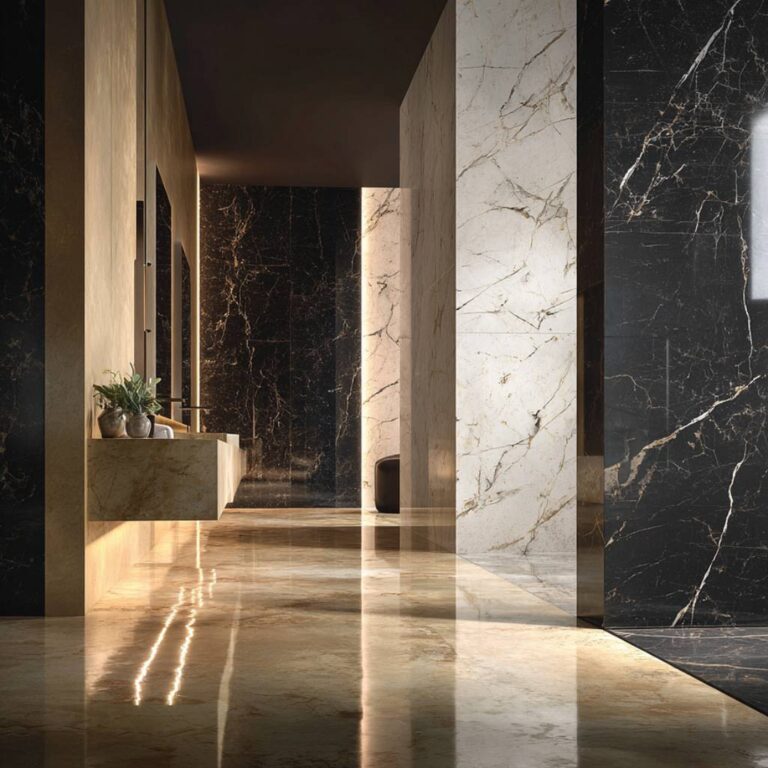
Material selection is another area where maintenance is frequently misunderstood. Luxury materials are often chosen for appearance rather than lifecycle. Certain natural stones require periodic sealing. Timber surfaces may weather without regular care. High-gloss finishes show scratches immediately. Complex façade treatments may stain or degrade depending on climate exposure. A material is not luxurious simply because it is expensive; it is luxurious when it performs well over time within the conditions of the site. Designing for maintenance means understanding not only what a surface looks like, but what it will demand from the homeowner year after year.
Luxury homes also increasingly rely on advanced technology: home automation, integrated security, motorised shading, multi-zone climate control, smart lighting systems. These systems promise comfort, but they also introduce maintenance complexity. Technology evolves faster than architecture. A home designed around a highly specific system may face obsolescence within a decade. Replacement becomes difficult if infrastructure is inaccessible or proprietary. True luxury is not the presence of technology, but the flexibility to service and upgrade it without dismantling the home.
There is also a psychological dimension to maintenance. A well-designed luxury home should reduce cognitive burden. The homeowner should not feel constantly aware of fragility, constant upkeep, or operational stress. Yet many high-end houses become maintenance-heavy precisely because they were designed as aesthetic objects rather than long-term environments. A home that requires continuous specialist intervention is not truly luxurious. Luxury, at its highest level, is effortlessness.
Designing for maintenance also involves anticipating change. Families evolve, lifestyles shift, spaces are repurposed. A room that begins as a nursery becomes a study, then a guest room, then something else entirely. Good residential architecture allows adaptation without major reconstruction. Maintenance is not only about repairing systems; it is about keeping the home usable as life changes. Daylight, circulation, storage logic, and service flexibility all contribute to long-term performance.
The most successful luxury residences are often those where maintenance has been quietly embedded into the architecture. Access panels are integrated invisibly but intelligently. Service routes are clear. Drainage is robust. Materials are chosen not only for beauty but for durability. Mechanical systems are placed with future replacement in mind. These decisions do not reduce luxury; they deepen it. They ensure that the home remains resolved, not only visually but operationally.
It is worth noting that maintenance design is also a financial discipline. A luxury home is a major asset. Poor maintainability increases lifecycle costs dramatically, through repeated repairs, premature replacement, and disruption. Two homes may have identical initial construction budgets, but the one designed for maintenance will remain far less expensive to own over time. The cost of maintenance failures is rarely immediate; it accumulates quietly, until the home begins to feel less pristine, less effortless, less luxurious than it once did.
Ultimately, designing for maintenance is designing for permanence. Luxury is often framed as rarity, but in residential architecture, the rarest quality is endurance. A truly luxurious home is one that does not demand constant intervention to remain functional and beautiful. It is a home that anticipates servicing without disruption, that ages gracefully rather than deteriorating, that remains adaptable rather than rigid.
Maintenance is the most ignored part of luxury homes because it is invisible at the beginning. But it becomes unavoidable with time. The architecture that deserves to be called luxury is not the architecture that looks perfect on completion day. It is the architecture that continues to feel effortless years later, because it was designed not only for appearance, but for life.