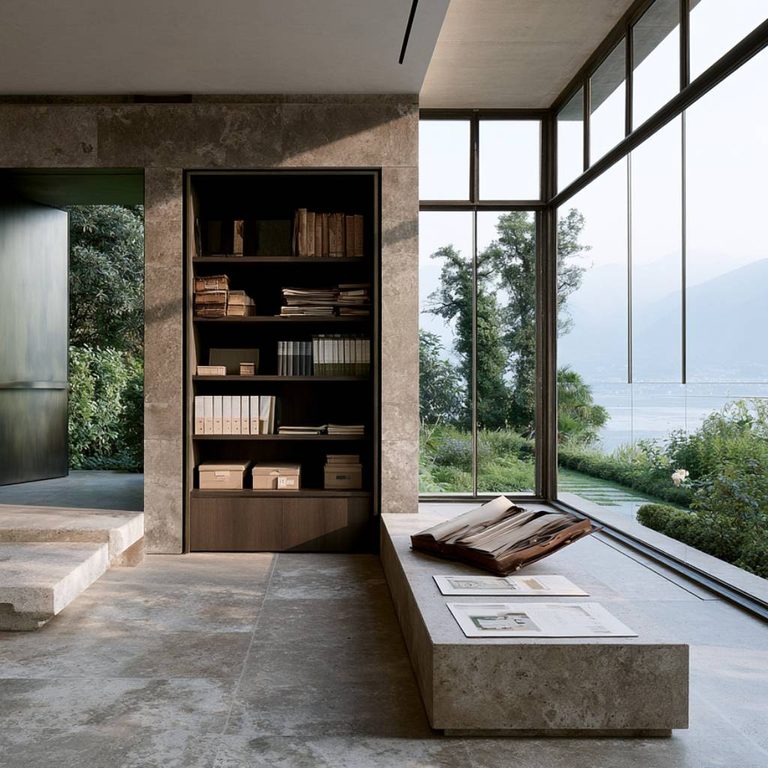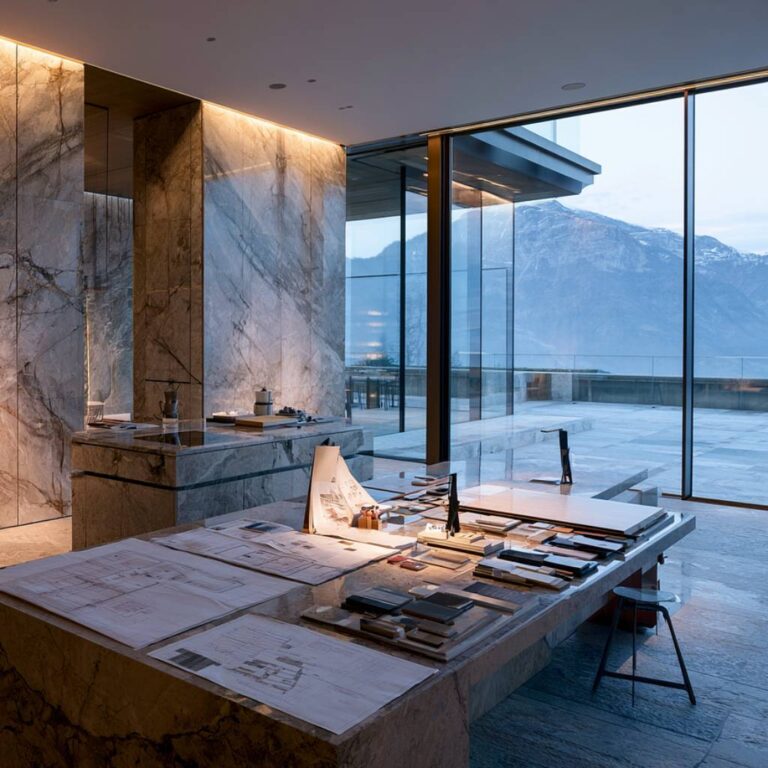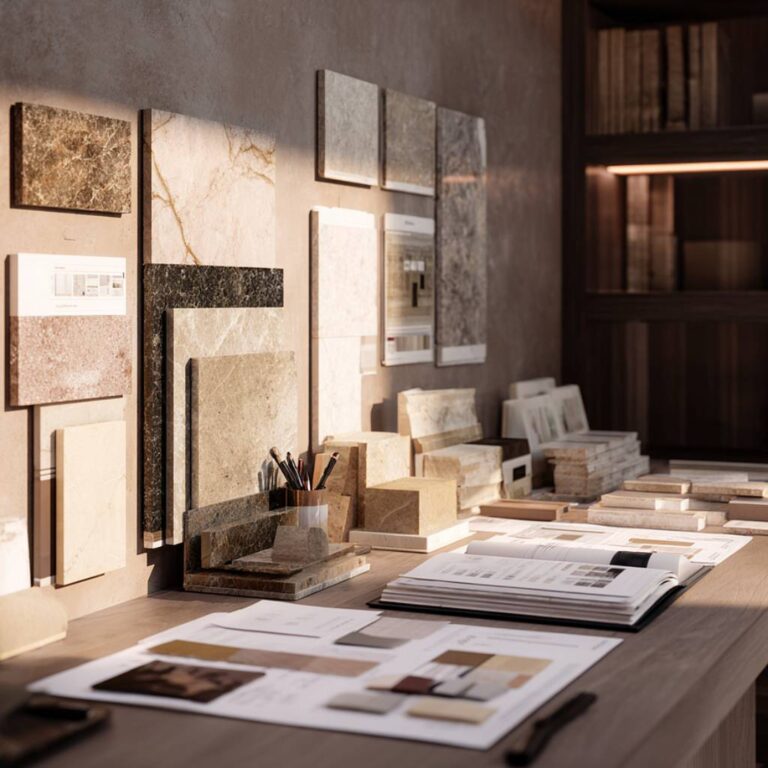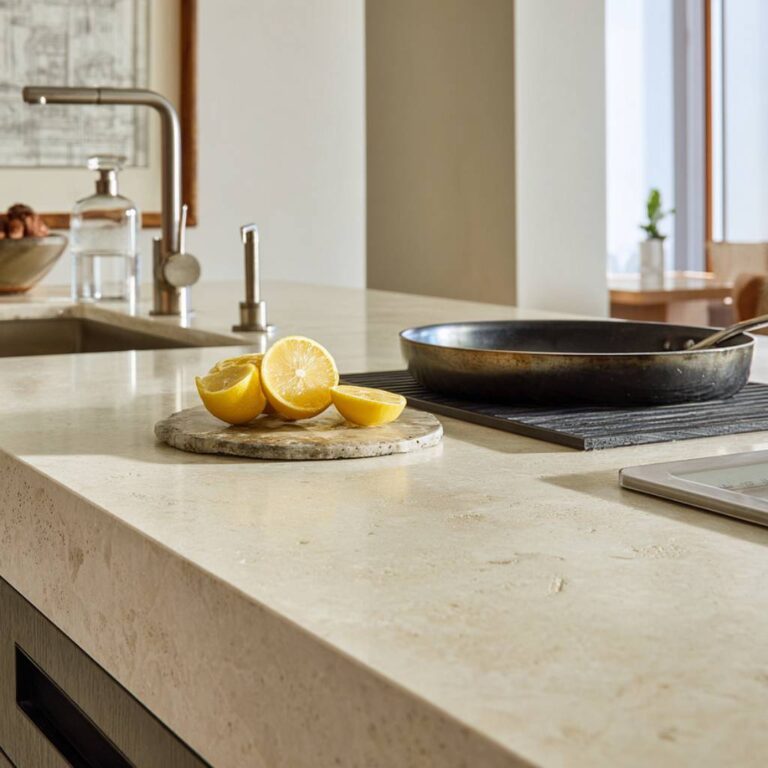
In high-end residential construction, failure rarely begins with the material itself. Stone cracks, wood warps, metal stains, and tiles debond, but the root cause is seldom the inherent quality of what was chosen. More often, the problem lies in what cannot be seen once the project is complete: preparation, sequencing, curing, movement, and protection. Installation, not selection, determines whether luxury endures.
This is where the idea of installation science becomes essential.
Luxury finishes do not succeed simply because they are expensive or rare. They succeed when the invisible technical conditions beneath them are correct. When those conditions are ignored or compressed by schedule pressure, even the finest material begins to behave like an ordinary one.
The Hidden Foundation: Substrate Preparation
Every finish depends on the surface beneath it.
Perfect stone installed on an uneven screed, premium timber fixed onto moist backing, or large-format tiles laid over unstable plaster will eventually reveal distress. The material may be flawless, but the substrate quietly transfers its instability upward.
Substrate preparation is slow, methodical work, including level correction, moisture testing, priming, and tolerance verification. It rarely attracts attention because it produces no immediate visual reward. Yet this invisible discipline is what allows visible luxury to remain calm over time. When rushed, defects do not appear instantly. They emerge months later, long after completion, when correction is most expensive.
Adhesives Are Not Universal
Another quiet misconception in luxury construction is the belief that adhesive is merely a bonding layer. In reality, adhesive selection is a material-specific engineering decision. Stone, porcelain, metal panels, and engineered wood all respond differently to temperature, load, and movement. Using a generic or incompatible adhesive may hold initially, but long-term stress gradually weakens the bond.
In refined projects, adhesive systems are chosen with the same care as finishes themselves, considering weight, flexibility, curing time, and environmental exposure. Where this precision is absent, detachment, hollow sounds, or hairline cracking begin to appear. The finish seems to fail, but the science beneath it was never resolved.
Movement Is Inevitable, Not Accidental
Buildings move. Concrete shrinks, steel expands, temperature fluctuates, and structural loads redistribute over time. Luxury finishes fail most often where this natural movement was not anticipated. Rigid installation over a dynamic structure creates silent tension. Eventually, the material releases that tension through cracks, warping, or separation.
Movement joints, expansion gaps, flexible sealants, and decoupling layers are not compromises in luxury; they are expressions of technical maturity. Projects that ignore them may look perfect on day one, but perfection without tolerance is temporary. True refinement allows the building to breathe without damaging its skin.
The Discipline of Curing Time
Speed is one of the most common enemies of durability.
Adhesives, screeds, waterproofing layers, and sealants all require curing periods that cannot be negotiated. When construction schedules compress these timelines, finishes are installed over systems that are not yet stable. Moisture remains trapped, bonds remain weak, and long-term deterioration quietly begins.
In luxury homes, the pressure to complete quickly often conflicts with the patience required for proper curing. Yet time saved during construction is frequently lost many times over in repair. Installation science reminds us that chemical processes do not follow project deadlines. They follow physics.
Site Protection: The Overlooked Stage
Even perfectly installed finishes can fail due to poor protection.
Stone scratched by subsequent trades, timber exposed to moisture before sealing, or metal surfaces stained by construction chemicals, all represent damage occurring after correct installation. These failures are particularly frustrating because the technical work was done properly, yet the result still suffers.
High-end construction requires sequenced protection planning: temporary coverings, restricted access zones, controlled cleaning methods, and clear responsibility between trades. Without this discipline, craftsmanship becomes vulnerable to ordinary site activity. Luxury then deteriorates not from complexity, but from carelessness.
When Trades Overlap Without Coordination
Another silent risk in refined construction is uncontrolled trade overlap.
Mechanical, electrical, plumbing, and interior teams often work in compressed timelines. If coordination drawings are incomplete, later trades begin cutting, drilling, or modifying already-finished surfaces. Each intervention weakens the integrity of the installation.
True luxury construction is not defined by the number of specialists involved, but by the clarity of their sequence. When sequencing is respected, finishes remain untouched after completion. When sequencing collapses, rework becomes inevitable, and rework is the fastest path from precision to compromise.
Why Premium Materials Still Fail
It is tempting to believe that higher cost guarantees higher durability.
But premium materials are often less forgiving, not more. Large stone slabs demand perfect substrate tolerance. Engineered wood requires controlled humidity. High-performance coatings depend on precise application thickness. The more refined the material, the narrower its margin for error.
This is why installation science becomes increasingly important as projects become more luxurious. Quality of material raises the standard of execution. Without equal precision in installation, luxury accelerates failure instead of preventing it.
Toward a Culture of Invisible Precision
Perhaps the deepest misunderstanding in residential construction is the belief that luxury is visible alone.
In reality, the most important work disappears once the home is complete. Level substrates, correct adhesives, controlled curing, protected surfaces, and disciplined sequencing leave no visual trace, yet they determine whether the home will age gracefully or deteriorate quietly.
Installation science is therefore not a technical footnote. It is the architecture of durability.
A Future Focus: Stone Installation as a Discipline
Among all luxury finishes, natural stone reveals installation quality most clearly.
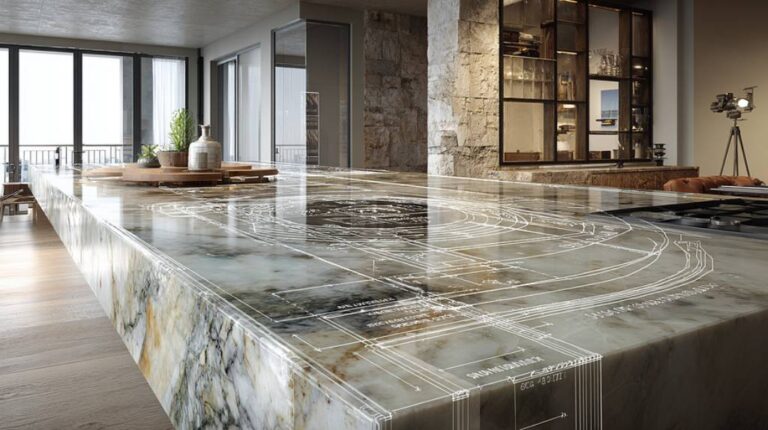
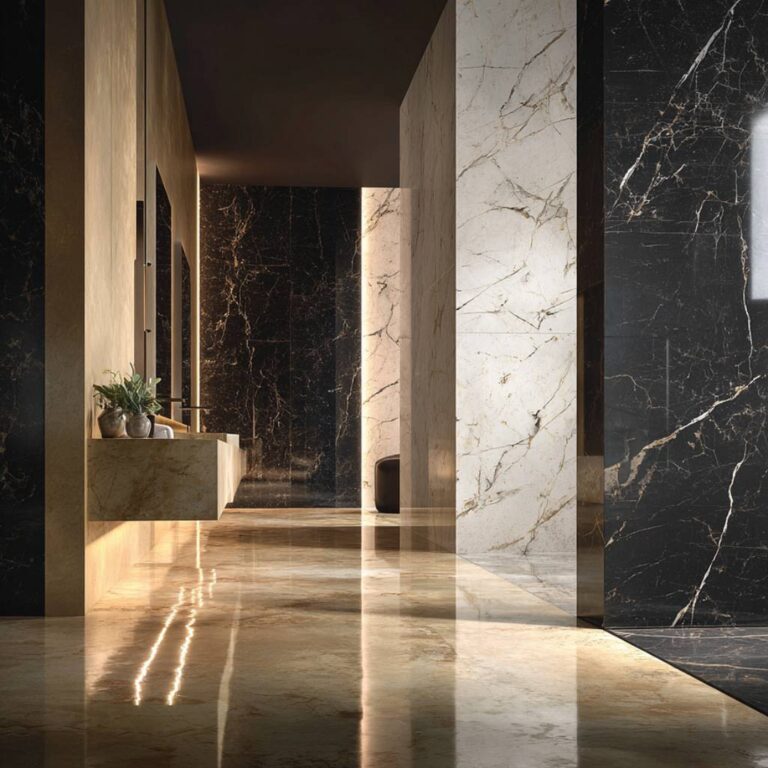
Its weight, rigidity, and permanence demand precise substrates, compatible adhesives, movement allowances, and careful protection. When executed correctly, stone can endure for generations. When mishandled, it begins to fail within months.
For this reason, stone installation deserves deeper exploration as a discipline of its own, not merely a finishing trade, but a convergence of structure, chemistry, craft, and time. This article marks the beginning of that conversation, one that will continue in a dedicated future series.
Conclusion: Durability Is Designed, Not Purchased
Luxury finishes do not fail because they are weak. They fail because the science of their installation was incomplete.
Substrate preparation, adhesive compatibility, structural movement, curing discipline, site protection, and trade sequencing; these invisible decisions determine whether beauty remains temporary or becomes permanent.
In the end, true luxury is not the rarity of the material. It is the precision of everything that supports it.