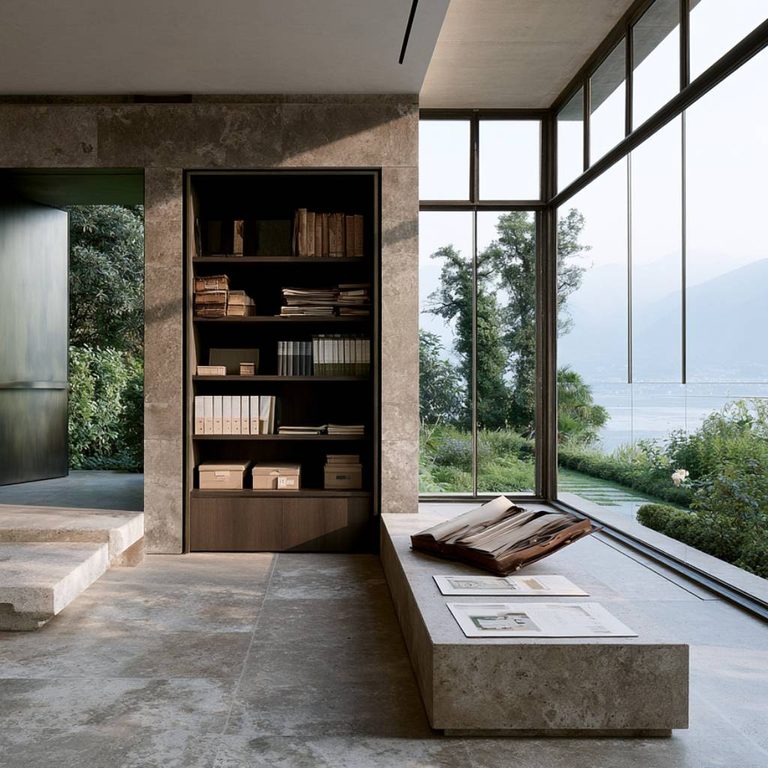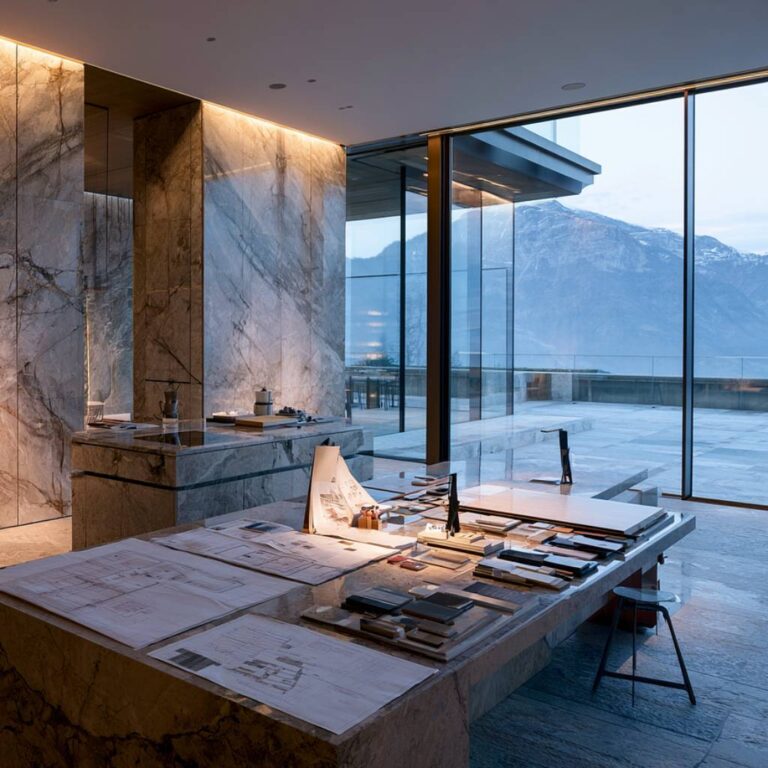
Natural light is often discussed as an aesthetic feature in residential architecture. Sunlit rooms, bright interiors, and visual openness dominate popular narratives. In practice, however, natural light is not a decorative element but a fundamental planning parameter that influences layout, structure, comfort, energy performance, and long-term usability of a home.
In well-designed residential projects, decisions around daylight are made early, deliberately, and systematically. They shape the building long before materials or finishes are considered. This article explains how natural light is planned in residential architecture, and why it remains one of the most critical performance drivers in housing design.
1. Natural Light as a Planning Constraint, Not an Afterthought
Natural light cannot be “added” later through finishes or furniture. It is determined by site conditions, building orientation, massing, and spatial organisation. For this reason, it functions as a constraint rather than an enhancement.
During early planning stages, architects evaluate how light enters the site across seasons and times of day. This analysis directly influences where rooms are placed, how openings are sized, and which spaces receive priority access to daylight.
Residential design that treats natural light as a secondary consideration often results in uneven lighting, glare issues, or dependence on artificial illumination during daytime hours.
2. Site Orientation and Solar Path Analysis
The first technical decision related to natural light is orientation. Understanding Sun’s movement across the site allows designers to position built volumes intelligently.
Primary living spaces are typically oriented to receive consistent, usable daylight rather than harsh exposure. Bedrooms, work areas, and communal spaces benefit from predictable light patterns that support daily routines. Service spaces, circulation zones, and storage areas are placed in locations where daylight access is less critical.
Solar path analysis helps determine:
- Optimal building orientation
- Depth of spaces that can be naturally lit
- Location and size of openings
- Need for shading or modulation
These decisions are climate-specific and cannot be standardised across projects.
3. Spatial Zoning Driven by Daylight Needs
Residential spaces do not require the same quality or quantity of light. Effective design acknowledges this difference.
Living rooms and dining areas demand balanced daylight for extended use. Kitchens require controlled light to avoid glare and overheating. Bedrooms benefit from softer, indirect illumination. Bathrooms and circulation spaces can function with limited daylight supplemented by artificial lighting.
By zoning spaces according to daylight requirements, designers reduce energy demand while improving spatial comfort. This approach also prevents over-glazing, a common mistake that increases heat gain without meaningful daylight improvement.
4. Building Depth and Sectional Planning
Natural light penetration is limited by depth. Beyond a certain distance from an opening, daylight quality diminishes rapidly.
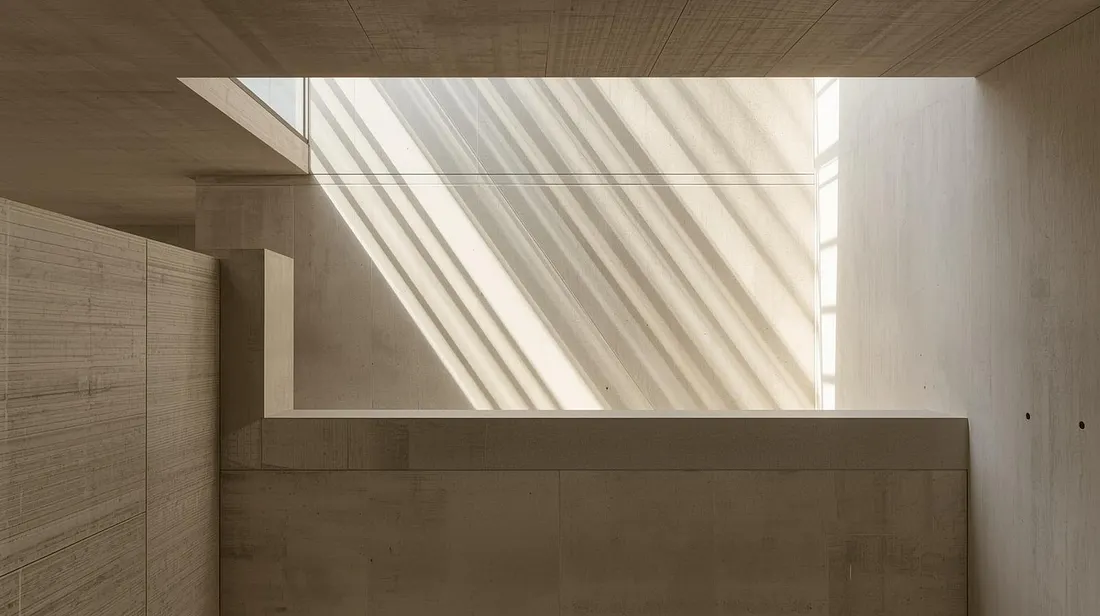
Sectional planning becomes critical in residential design, particularly in larger homes. Courtyards, light wells, double-height spaces, and staggered volumes are employed to bring daylight deeper into the plan.
Rather than increasing window size indiscriminately, performance-led design manipulates section and volume to distribute light efficiently. This approach produces more consistent daylight without compromising privacy or thermal comfort.
5. Window Design: Proportion, Placement, and Control
Windows are not merely apertures; they are precision elements that regulate light quality.
Effective window design considers:
- Height levels
- Proportion relative to wall area
- Orientation-specific performance
- Relationship to interior functions
High-level openings allow deeper light penetration while reducing glare. Vertical windows control sunlight differently than horizontal openings. These elements provide flexibility in response to changing conditions.
In residential architecture, window design balances access to daylight with privacy, heat control, and visual comfort.
6. Managing Glare and Heat Gain
Uncontrolled daylight can be as problematic as insufficient light. Excessive brightness, glare, and heat gain reduce usability of spaces.
Design strategies to manage these issues include:
- External shading devices
- Recessed openings
- Louvers and fins
- Vegetative buffers
- Material selection around openings
These measures are integrated into the architectural form rather than added as accessories. Proper daylight planning reduces reliance on mechanical cooling while maintaining visual comfort.
7. Daylight and Thermal Performance
Natural light planning is closely linked to thermal behaviour. Large glazed areas increase heat gain and heat loss if not carefully designed.
Residential design must balance daylight access with insulation, glazing performance, and shading. The goal is to maximise useful daylight while minimising energy penalties.
This balance is achieved through orientation-sensitive glazing, selective transparency, and controlled exposure rather than uniform openness.
8. Light as a Wayfinding and Organisational Tool
Beyond performance, natural light plays a role in spatial clarity.
Daylit corridors, staircases, and transitional spaces improve orientation within the home. Light guides movement and defines hierarchy between public and private areas.
This organisational role reduces reliance on signage, partitions, or artificial cues, resulting in more intuitive spatial experiences.
9. Long-Term Adaptability and Occupant Behaviour
Residential buildings outlive their original users. Natural light planning must accommodate changing lifestyles and patterns of use.
Spaces with balanced daylight remain adaptable to different functions over time. Poorly lit rooms become underused or require retrofitting.
Design decisions that prioritise daylight flexibility increase the long-term value and resilience of the home.
10. Why Natural Light Defines Residential Quality
In residential architecture, quality is measured not by visual impact but by daily usability.
Homes with well-planned natural light:
- Reduce energy dependence
- Improve comfort and health
- Enhance spatial clarity
- Age better over time
These outcomes are not accidental. They result from early, deliberate planning decisions grounded in performance rather than appearance.
Conclusion
Natural light is not an aesthetic bonus in residential design but, it is a primary planning driver that shapes layout, comfort, energy performance, and long-term adaptability.
When daylight is considered from the outset and integrated into spatial, structural, and environmental decisions, the resulting home functions efficiently without drawing attention to its mechanisms.
This quiet effectiveness is what distinguishes well-designed residential architecture from visually impressive but underperforming spaces.
In residential design, natural light is not about brightness.
It is about control, consistency, and long-term usability.