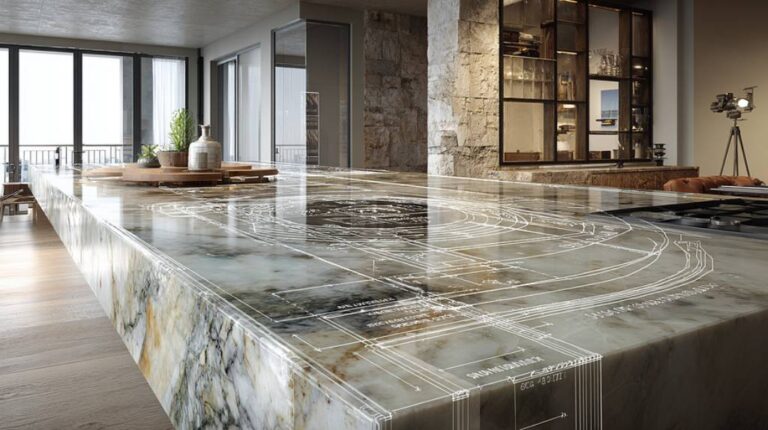
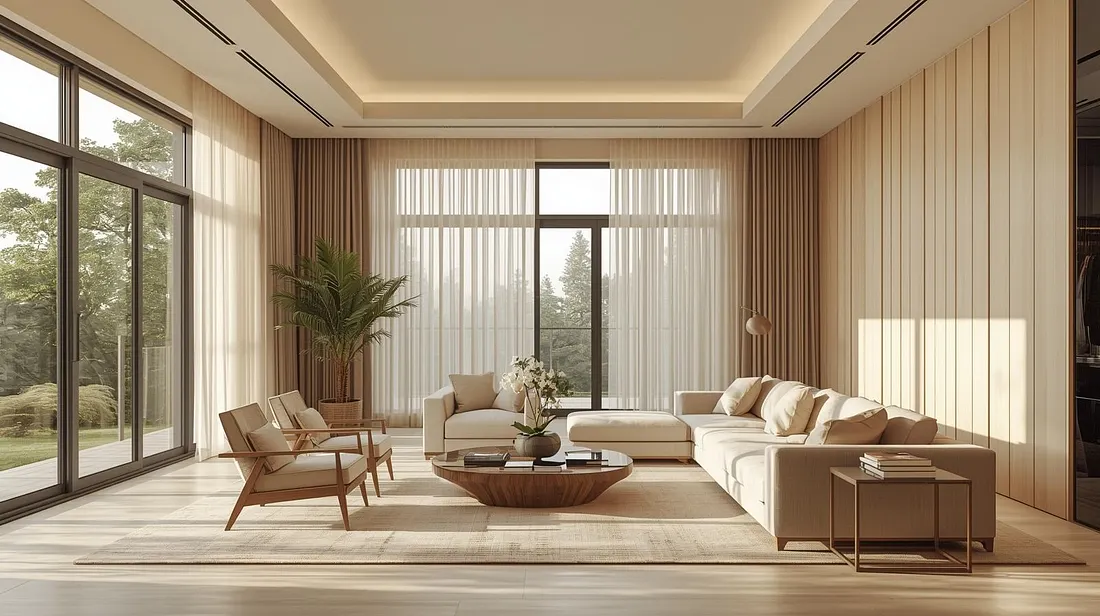
Most homeowners experience comfort as something natural. The home feels cool in summer, warm in winter, quiet during storms, stable through changing seasons. Comfort seems like an atmosphere rather than an engineered outcome. Yet in residential architecture, year-round comfort is never accidental. It is produced by a network of hidden systems working continuously behind walls, ceilings, floors, and façades. These systems are rarely visible in photographs, rarely discussed in design conversations, and often only noticed when they fail. But they are among the most important decisions in the making of a high-performing home.
Luxury residential design is often associated with finishes, stone surfaces, timber textures, refined lighting, and carefully curated interiors. However, the deeper layer of luxury is performance. A truly exceptional home does not simply look composed; it feels effortless to inhabit. That effortlessness comes from invisible systems that regulate temperature, air quality, acoustics, moisture, and energy use. Comfort is not a single feature. It is the outcome of many coordinated layers.
The most fundamental of these layers is the building envelope. Before mechanical systems are even considered, the home’s comfort begins with how it holds and moderates the outside environment. Walls, roofs, glazing, and insulation form the boundary between climate and interior life. A poorly designed envelope forces mechanical systems to work harder, creates uneven temperatures, and leads to discomfort that cannot be solved through finishes. Conversely, a well-resolved envelope reduces heat gain in summer, prevents heat loss in winter, and stabilises interior conditions naturally. In many high-end homes, the difference between constant reliance on air-conditioning and quiet thermal stability is the quality of envelope design.
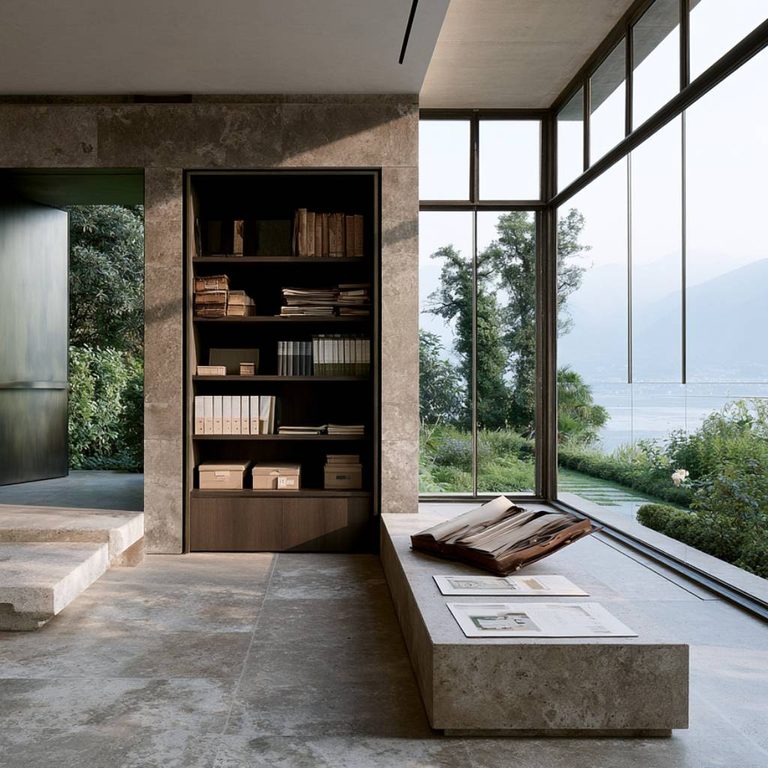
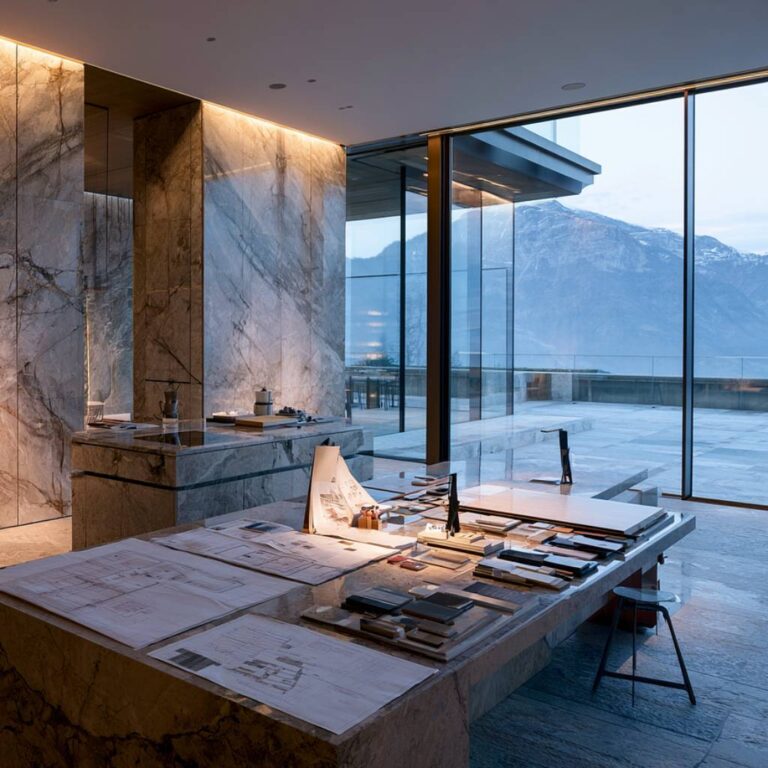
Glazing is one of the most underestimated contributors to year-round comfort. Large windows are visually desirable, but glass is also a major point of thermal exchange. Without proper specification; double glazing, low-emissivity coatings, correct orientation and shading, homes can overheat in summer and feel cold in winter, despite their luxury. Comfort requires glazing to be treated not as an aesthetic element alone, but as a performance system. The best residential architecture balances openness with control, allowing daylight without sacrificing thermal stability.
Closely tied to envelope performance is shading. Many homeowners think of shading as a decorative add-on, but it is one of the most powerful comfort tools in warm climates. Deep overhangs, recessed openings, external louvers, and landscape strategies can reduce heat load dramatically. When shading is integrated architecturally rather than applied later, it becomes both elegant and effective. It allows interiors to remain bright yet cool, reducing energy demand and improving comfort without mechanical intervention.
Beyond thermal control, comfort is also about air. Indoor air quality has become a defining issue in modern homes, especially as residences become more airtight for energy efficiency. Airtightness prevents unwanted heat exchange, but it also means fresh air must be introduced deliberately. This is where ventilation systems become essential. Mechanical ventilation with filtration, heat recovery, and controlled air exchange ensures that the home remains healthy and breathable year-round. A luxury home that feels stale, humid, or poorly ventilated is not truly luxurious, regardless of finishes.
Heating, ventilation, and air-conditioning systems, the HVAC backbone, are perhaps the most obvious hidden systems, yet they are often poorly understood by homeowners. Comfort is not achieved simply by installing large capacity units. It depends on zoning, distribution, noise control, and maintainability. A well-designed HVAC system provides even temperatures across rooms, avoids drafts, operates quietly, and adapts to seasonal shifts. The most refined systems are those you do not notice. They do not dominate the experience of the home; they disappear into the background while maintaining comfort with precision.
Humidity control is another invisible factor that separates ordinary homes from high-performing ones. Many climates experience seasonal humidity swings that affect not only comfort but also material longevity. Excess humidity can lead to mould, condensation, and deterioration of finishes. Low humidity can dry out timber and create discomfort. Advanced residential systems increasingly integrate humidity management into HVAC design, ensuring that comfort is not only about temperature but about the full atmospheric condition of the interior.
Acoustic comfort is equally important, and it is often overlooked until it becomes a problem. Luxury homes are expected to feel quiet, protected, and serene. Yet noise travels easily through poorly detailed walls, floors, and glazing. External traffic, neighbour activity, mechanical equipment, and internal sound transmission can all disrupt comfort. Acoustic insulation, double-layer partitions, vibration isolation, and careful placement of mechanical systems are part of the hidden architecture of calm. A home that looks luxurious but feels noisy has failed at a fundamental level of comfort.
Water systems also play a major role in year-round living quality. Pressure stability, hot water delivery, drainage reliability, and leak prevention are not glamorous topics, but they define everyday experience. In high-end homes, poorly planned plumbing routes or inadequate water pressure can create constant friction. Conversely, well-designed water systems feel invisible: hot water arrives instantly, drainage performs quietly, and servicing is accessible without disruption. Comfort is as much about operational smoothness as it is about atmosphere.
Energy systems increasingly shape residential comfort as well. Homes today are expected to balance performance with sustainability. Solar integration, battery storage, efficient mechanical equipment, and smart energy management can reduce operating costs while improving resilience. A home that remains comfortable during power fluctuations, that manages load intelligently, and that performs efficiently across seasons represents a new definition of luxury: one rooted in intelligence rather than excess.
Automation is often marketed as luxury, but its true value lies in integration rather than novelty. Smart systems that control shading, climate zoning, lighting, and ventilation can enhance comfort when designed properly. The risk is over-complexity. Technology evolves quickly, and homes must remain serviceable and adaptable. The most successful automation is not the most visible, but the most quietly functional, systems that support comfort without creating dependence on fragile interfaces.
Ultimately, year-round comfort is not delivered by any single system. It is delivered by coordination. Envelope, glazing, shading, HVAC, ventilation, acoustics, water infrastructure, and energy management must work as a coherent whole. When these layers are designed in isolation, homes become mechanically heavy, inefficient, or inconsistent. When they are designed as an integrated architecture of performance, comfort becomes effortless.
This is why hidden systems deserve more attention in residential design conversations. Homeowners often invest heavily in finishes because finishes are visible. But comfort is lived, not photographed. The true luxury of a home is not the surface material, but the invisible intelligence that allows the home to feel stable, healthy, quiet, and effortless in every season.
A well-designed residence is one where comfort is not something you adjust constantly, but something you trust. And that trust is built not through decoration, but through systems, carefully planned, deeply integrated, and quietly working year-round.