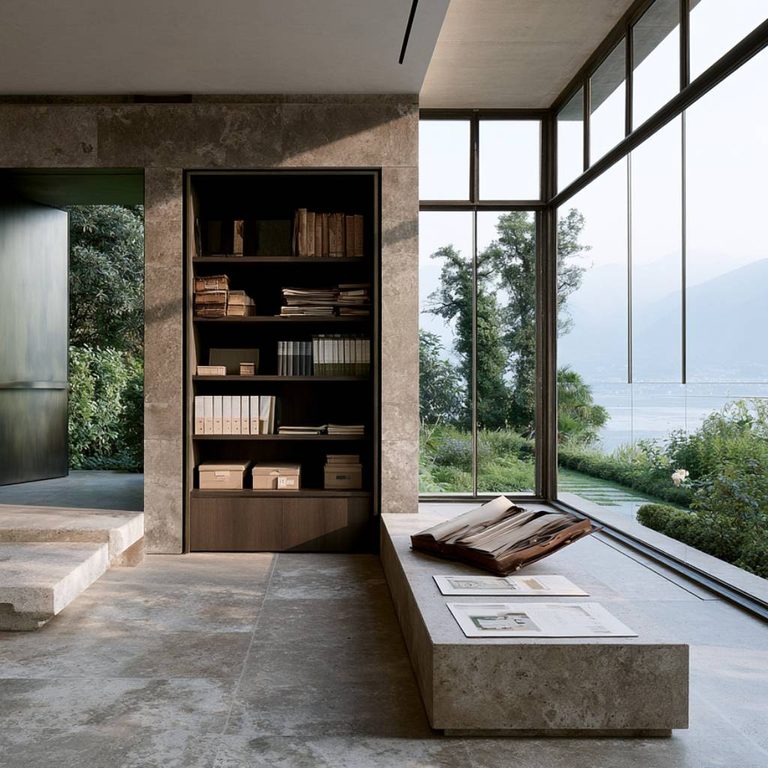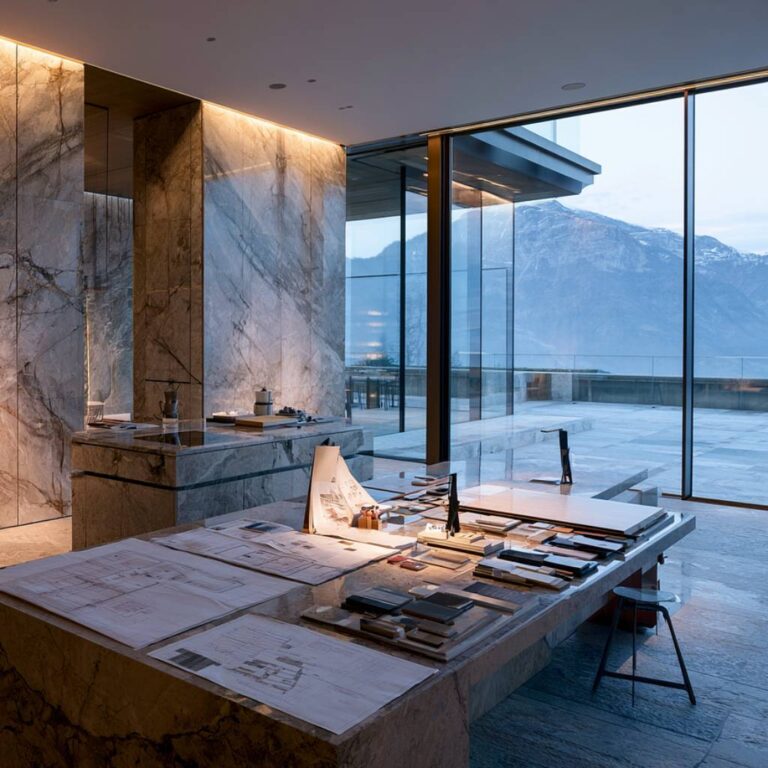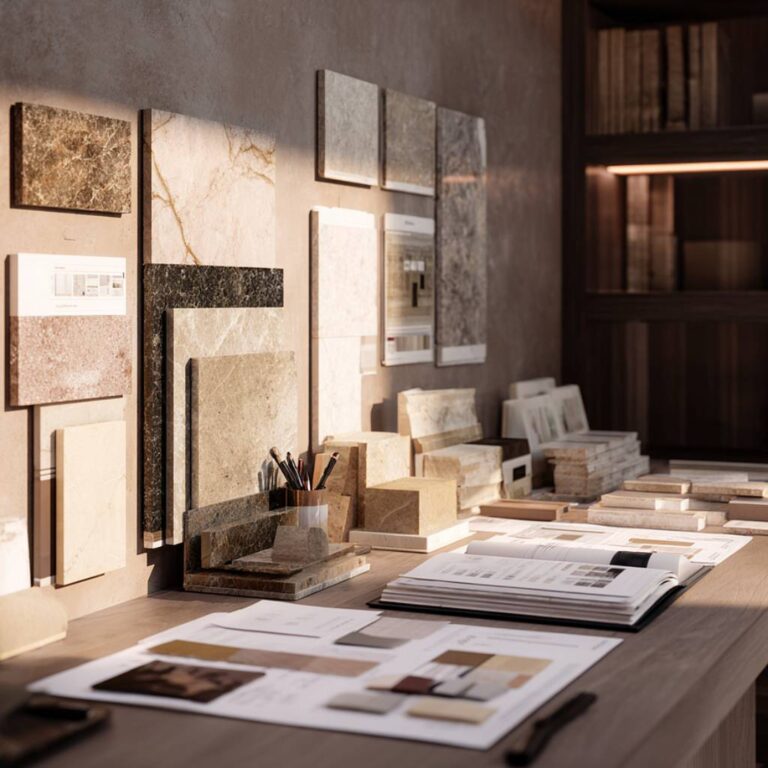
In conversations around luxury homes, cost overruns are almost always blamed on visible choices. Italian marble. Imported lighting. Custom wardrobes. Smart home automation. The narrative is simple: luxury finishes inflate budgets.
Yet on well-run architectural projects, finishes are rarely the real reason budgets spiral. The deeper and more uncomfortable truth is this, most luxury home cost overruns are created long before finishes are even selected.
They emerge from decisions that feel invisible at the time:
interfaces between consultants, delayed drawings, sequencing errors on site, procurement timing, and rework triggered by late clarity. These are not glamorous topics, which is precisely why they are misunderstood. But in high-value residential construction, process failures cost far more than premium materials ever will.
The illusion of finishes as the villain
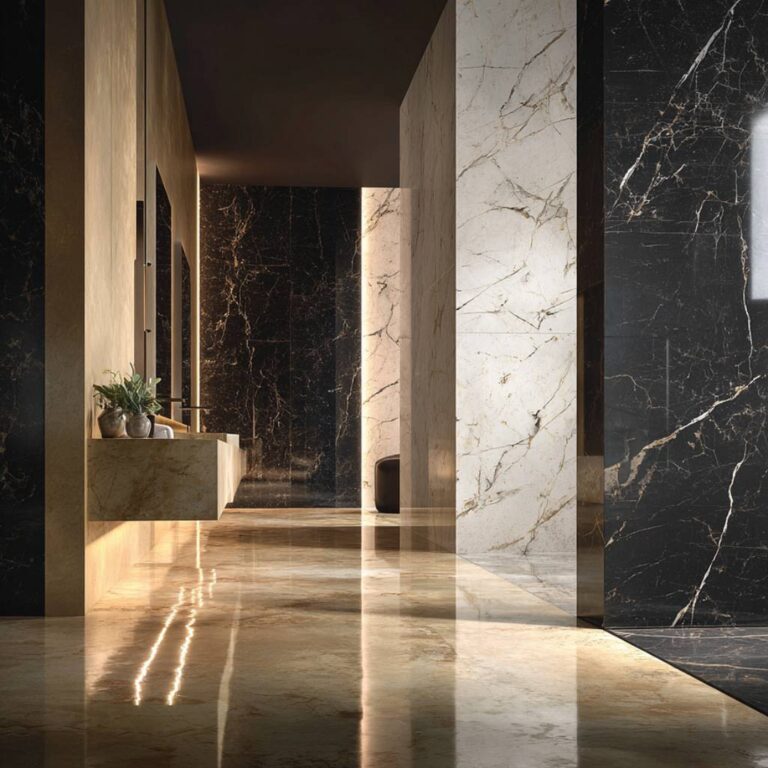
Finishes are easy to blame because they are visible, emotional, and negotiable. A homeowner can see the price difference between two stones or two light fixtures. This visibility creates the impression that cost control lives inside the material palette.
In reality, finishes usually account for a predictable and controllable portion of the total project value. What destabilizes budgets is not the selection of a costly surface, but the moment that selection is made too late.
A marble chosen after flooring levels are finalized can trigger demolition.
A lighting decision after ceiling framing begins can force redesign.
A bathroom layout changed post-waterproofing can multiply costs instantly.
The material did not inflate the budget.
Timing did.
Interfaces: where money quietly leaks
Luxury homes are dense with complexity; architecture, structure, HVAC, lighting, automation, landscape, interiors, acoustics, and more. Each discipline is individually rational. The risk lies between them.
These junctions called interfaces, are where drawings misalign, assumptions diverge, and site improvisation begins. A beam depth affecting ceiling height. An AC duct conflicting with lighting geometry. A façade detail interfering with waterproofing continuity.
None of these failures are dramatic in isolation.
But each unresolved interface invites site-level decision-making, and site decisions made under time pressure are almost always expensive.
In luxury construction, money rarely disappears in large visible mistakes.
It erodes through small unresolved interfaces repeated across the project.
Rework: the most expensive line item nobody budgets for:
Rework is not simply correction; it is compounded loss.
Demolition, disposal, new material, additional labor, schedule delay, and consultant time all stack into a single silent cost.
More importantly, rework disrupts sequencing. When one activity is undone, every dependent activity shifts. In tightly choreographed luxury projects, this ripple effect can exceed the original mistake in financial impact.
Yet rework is often normalized as “part of construction.”
On disciplined projects, it is treated differently: as a design-stage failure that reached the site.
The earlier clarity is achieved, the cheaper it is.
The later clarity arrives, the more exponential the cost.
Late decisions: the invisible accelerator of budget overruns
Indecision is rarely discussed as a financial variable, but in luxury homes it is one of the most powerful. Every pending choice freeze coordination. Drawings pause. Procurement stalls. Site teams wait or worse, proceed on assumption.
When decisions arrive late, they collide with reality already built.
And reality is expensive to change.
This is why experienced architects push for front-loaded decision making. Not to rush clients, but to protect budgets from exponential correction costs later in the timeline.
Luxury construction rewards clarity early and punishes certainty late.
Procurement timing: when correct materials still create wrong costs
Even perfectly chosen materials can destabilize budgets if procured at the wrong moment. Early procurement without final measurements risks mismatch. Late procurement risks premium pricing, air freight, or idle labor waiting on delivery.
In high-end homes where customization is standard, lead times become financial instruments. Stone quarrying, bespoke metalwork, specialty glass, and imported systems all operate on timelines that must align with construction sequencing.
When procurement drifts out of sync, the project begins to pay not just for materials but for time itself.
High-risk materials: where mistakes become disproportionately expensive
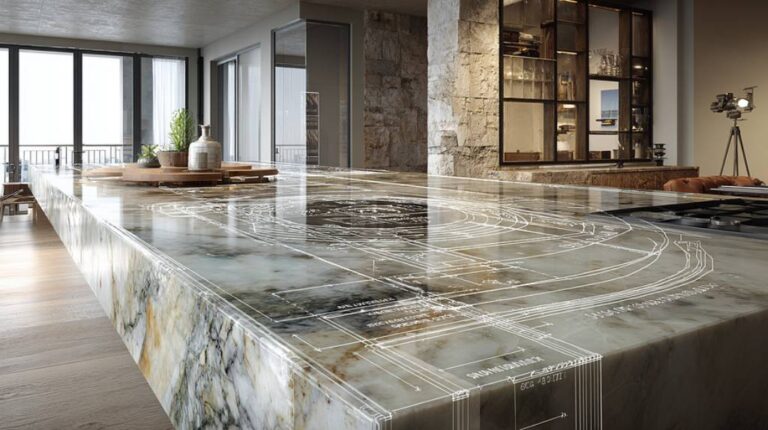
Certain materials carry asymmetric financial risk. Natural stone slabs, large-format surfaces, curved glass, custom joinery, precision metalwork, these elements tolerate little error. Measurement mistakes, late changes, or installation failures do not lead to small corrections. They lead to full replacement.
This is where the earlier themes converge:
interfaces must be resolved, decisions must be early, sequencing must be precise, and procurement must be aligned. Otherwise, a single misstep in a high-risk material can equal the cost impact of multiple finish upgrades combined.
In this sense, materials are not expensive because they are luxurious.
They are expensive because they demand precision.
The real equation behind luxury home costs
When budgets fail, it is tempting to simplify the story to lifestyle choices.
But the anatomy of cost in luxury homes is more technical:
- Unresolved interfaces create confusion
- Confusion creates rework
- Rework disrupts sequencing
- Disrupted sequencing amplifies time costs
- Late decisions multiply every stage above
By the time finishes enter the conversation, the financial trajectory is often already set.
Toward a different understanding of luxury
True luxury in residential architecture is not defined by rarity of materials, but by precision of process. Homes that remain within budget are rarely the simplest or the least ambitious. They are the most coordinated, decisive, and well-sequenced.
The visible surfaces may signal luxury to the eye. But the invisible discipline behind them is what protects the project.
And in the end, the real cost driver of a luxury home is not what you choose, but when and how you choose it.