There is a moment in every well-designed home when decisions begin to move from abstract to irreversible.
It rarely announces itself.
More often, it passes quietly, deferred to the next meeting, postponed until “layouts are clearer,” or held back until the site “catches up.”
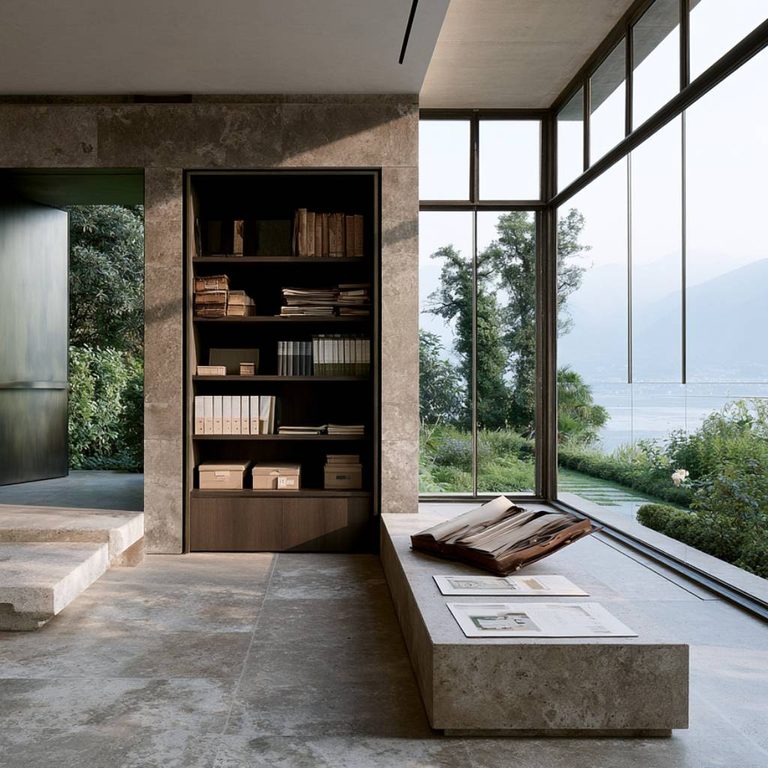
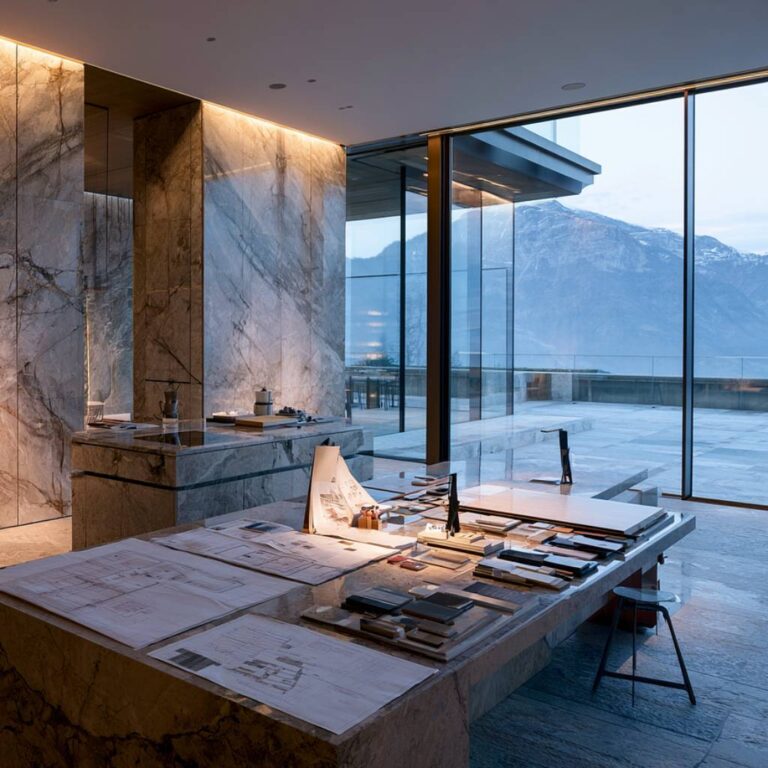
In one anonymized luxury residence, that moment arrived with stone or rather, with the absence of a decision about it.
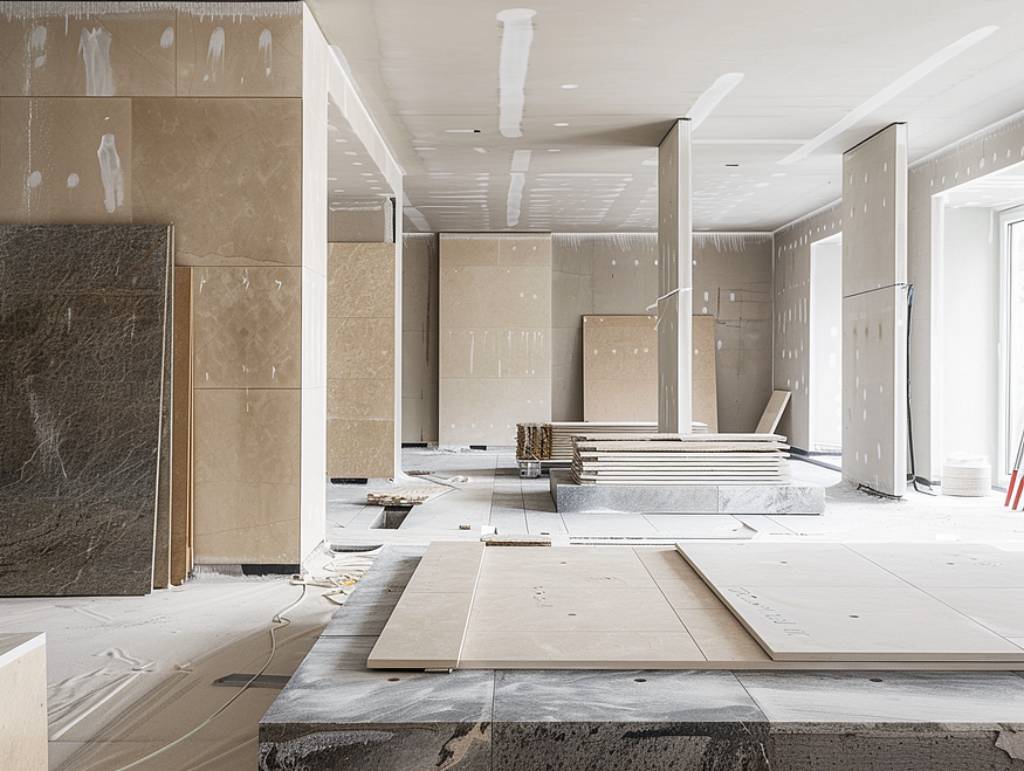
The project, by all visible measures, was progressing well. Structural work was complete, interior layouts were stabilising, and the rhythm of construction had settled into a predictable cadence.
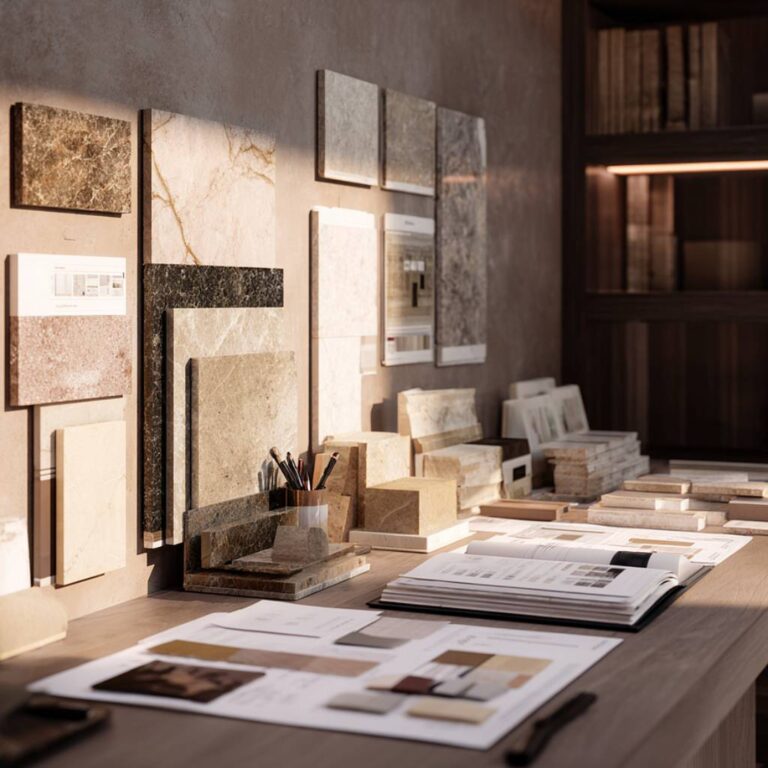
Stone, however, had not yet been finalised.
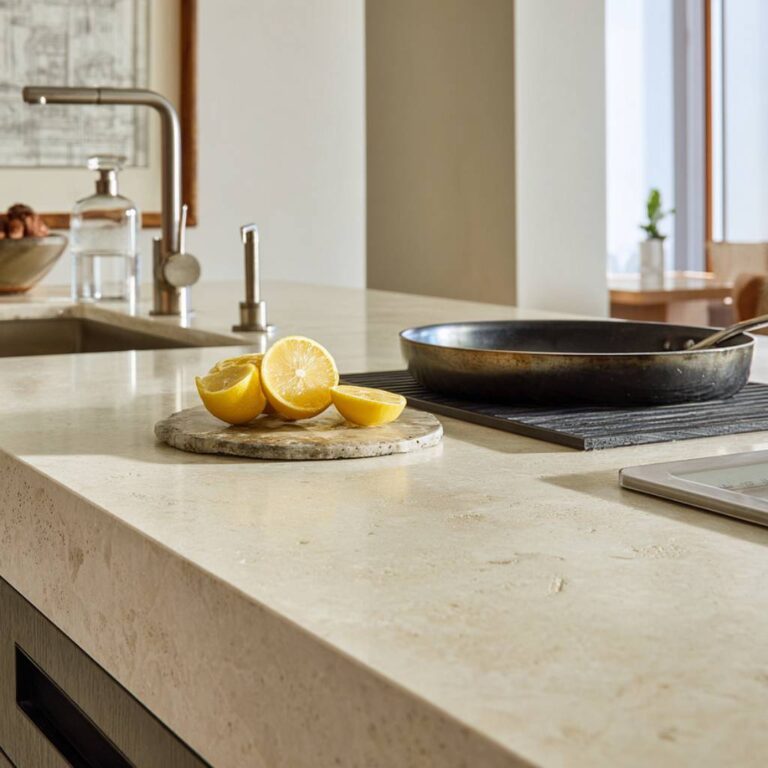
It was treated, as it often is, as a finish, something to be selected once the rest of the house had taken shape.
What followed was not a failure of material but a failure of timing.
When the stone selection was eventually made, it did not arrive alone. It arrived with consequences.
The chosen material carried a different thickness than initially assumed. Threshold conditions shifted. Floor levels required adjustment. Junctions, already constructed needed reconsideration.
At the same time, slab availability introduced a second layer of complexity. The palette that had been imagined was no longer entirely available in the required quantity. Substitutions were made. Continuity was negotiated.
And then, inevitably, the timeline began to respond.
Installation windows, once aligned with dry conditions, collided with ongoing wet works. Sequencing which was carefully planned in earlier stages now became reactive.
The project did not stop, but began to compensate.
This is how budgets move.
Not in singular, dramatic overruns, but in a series of quiet corrections:
- drawings revised after coordination
- fabricated pieces adjusted or discarded
- labour extended beyond planned durations
- material batches mismatched and reworked
None of these, in isolation, define a project, together, they reshape it.
What is often misunderstood is that these outcomes are not unpredictable. They follow a pattern.
Late material decisions, particularly for long-lead systems like stone, initiate a chain reaction across:
- geometry
- sequencing
- procurement
- and site readiness
Each adjustment introduces friction. Each delay compounds exposure.
In contrast, projects that protect their outcomes tend to follow a different discipline.
Layouts are locked early.
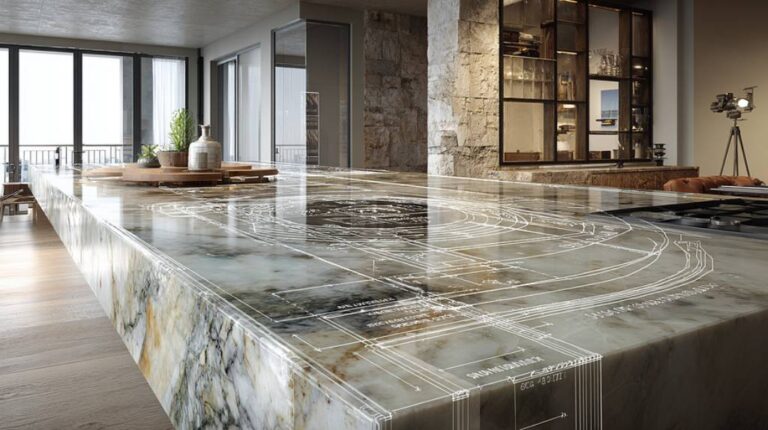
Drawings are signed before fabrication begins.
Material decisions are aligned with procurement realities and not postponed in anticipation of flexibility that does not exist.
These are not rigid processes.
They are protective ones.
If one were to reduce the entire sequence to its simplest form, it might read as a set of quiet checks; rarely formalised, but always present in projects that hold their integrity:
- Has the material decision been made before coordination is fixed?
- Are slab availability and variation understood before layouts are finalised?
- Are drawings resolved before fabrication begins?
- Has the site been verified to receive the material as intended?
- Does the installation window align with actual site conditions?
These are not technical questions.
They are timing questions.
Because in the end, stone does not introduce risk.
It reveals it.
It exposes whether decisions were made in sequence or in response.
Luxury homes are often discussed in terms of materials, finishes, and cost.
But their success is rarely determined by any of these in isolation.
It is determined by when decisions are made and whether they are made in time.
Procurement, in this sense, is not purchasing. It is protection.
And when it slips, the project does not fail. It simply begins to pay for the delay.