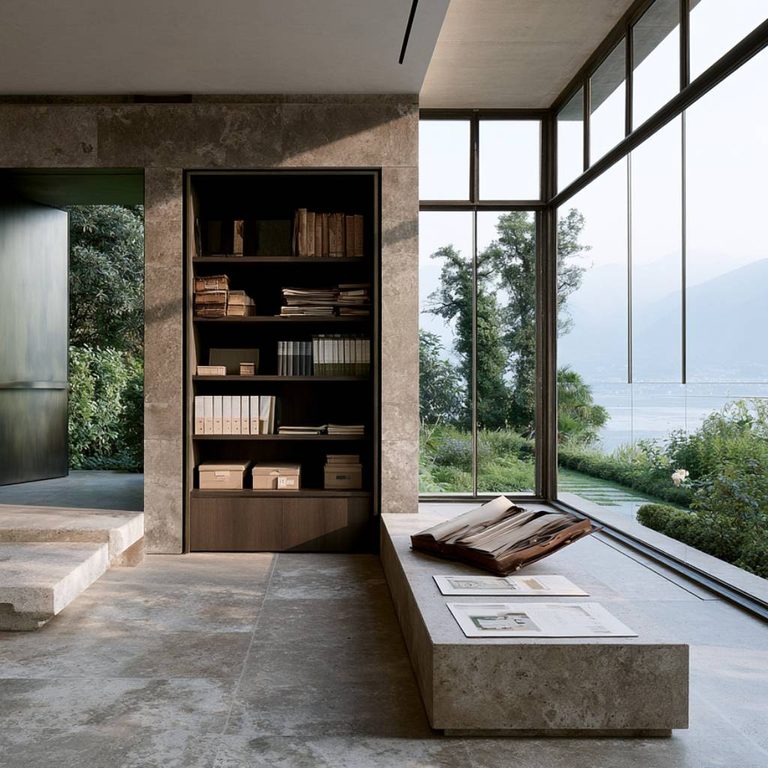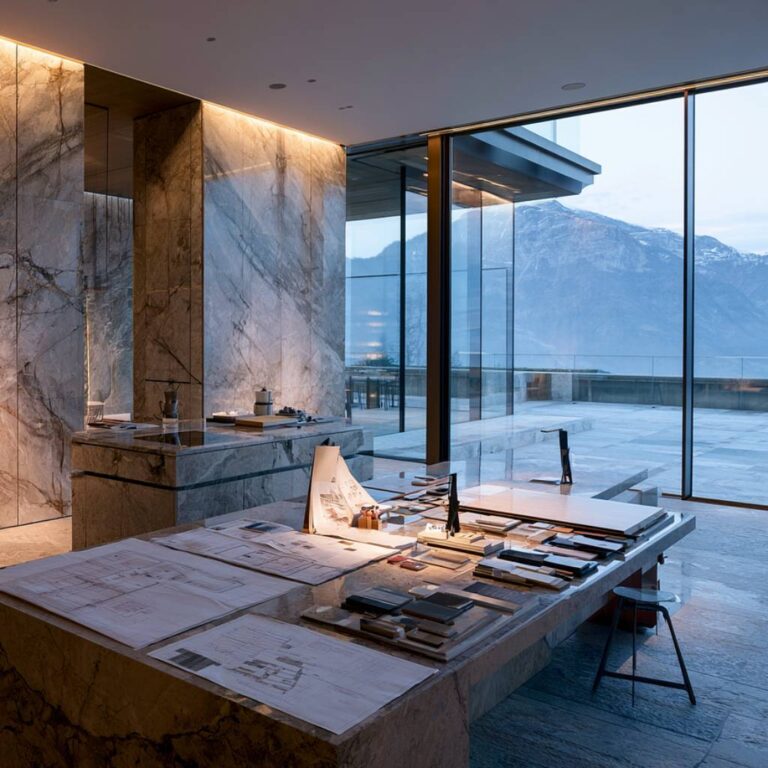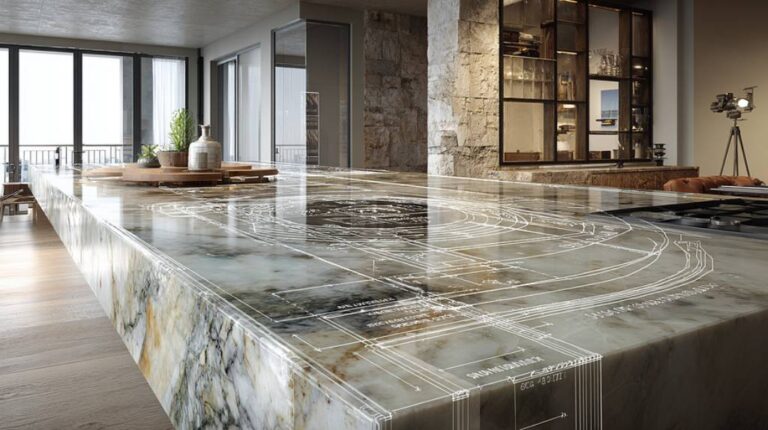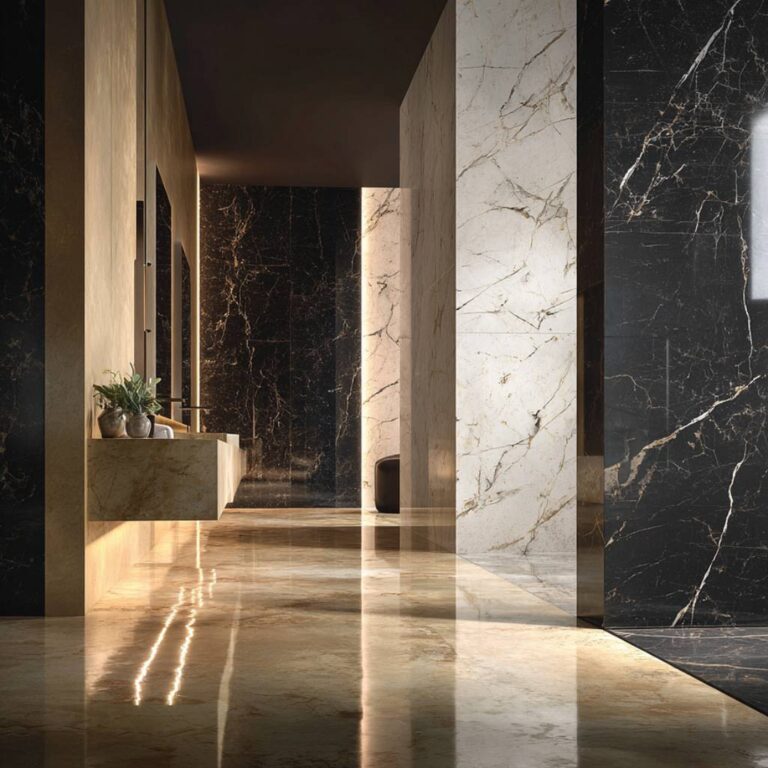
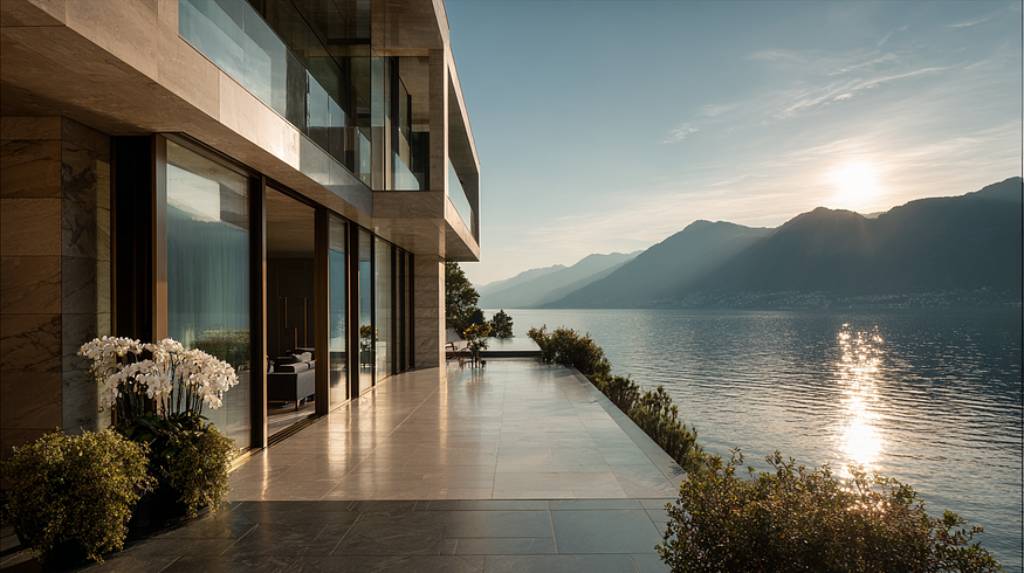
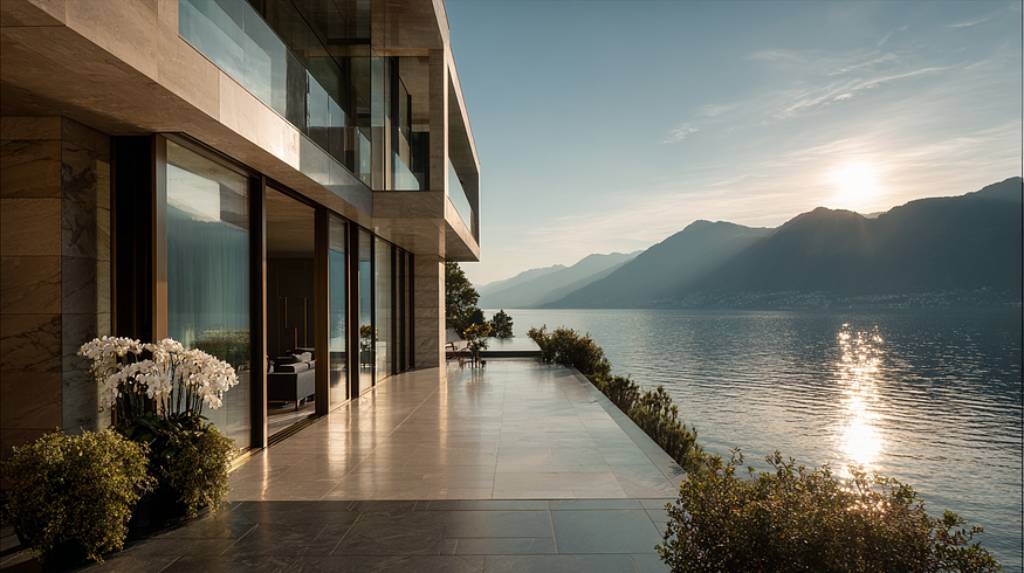
Luxury is rarely defined by the surface alone. It is not the stone, the finish, or even the cost that ultimately determines whether a space feels refined. It is decided quietly, almost invisibly, at the moments where materials meet. These junctions, where stone transitions into wood, where metal meets plaster, where glass aligns against a finished edge carry the entire burden of perception. They are where sequencing, tolerance, and craftsmanship collide, and where even the most premium material can be reduced to something ordinary if control is not designed into the system from the beginning.
The challenge with junctions is that they are never singular decisions. They are the result of multiple layers coming together, each with its own variability. Stone thickness varies, substrates are never perfectly true, adhesives behave differently across conditions, and fabricated elements arrive with tolerances that are acceptable in isolation but problematic in combination. When these variations are not anticipated and aligned, they accumulate. What appears minor at the material level becomes visible at the interface. A misaligned skirting return, an uneven threshold, or an inconsistent reveal is rarely the fault of one trade, it is the result of a system that was never fully coordinated.
This is why premium perception is not created on site. It is designed much earlier, at the stage where decisions about datums, build-ups, and sequencing are made. A junction is not simply a meeting point; it is a controlled condition. It requires a clear datum that governs alignment across materials, a locked thickness strategy that ensures consistency, and a defined build-up that eliminates improvisation during execution. Without this, site teams are forced to resolve complexity in real time, often under pressure, and the result is almost always compromise.
Consider something as seemingly simple as a threshold. It is expected to feel seamless, effortless, and intentional. But behind that simplicity lies a series of precise decisions: how the stone aligns with adjacent flooring, how the edge is finished, how movement is accommodated, and how tolerances are absorbed. If these decisions are not documented and dimensioned early, the threshold becomes a negotiation between trades rather than a controlled outcome. And negotiation, in construction, rarely produces precision.
The same applies to skirting returns and metal inlays. These are often treated as decorative details, but in reality, they are technical interfaces. A metal inlay, for instance, requires exact coordination between fabrication and installation. Its depth must align with the stone thickness, its edges must be perfectly straight, and its placement must be consistent across the space. Any deviation becomes immediately visible, not because the material is flawed, but because the junction amplifies the error. Similarly, skirting returns demand clarity in how they terminate, how they align with wall finishes, and how they transition at corners. Without a defined logic, these details quickly lose their sharpness and begin to feel unresolved.
What distinguishes well-executed projects from the rest is not the absence of complexity, but the way it is managed. In high-control environments, junctions are not left to interpretation. They are designed, tested, and locked before execution begins. Mock-ups play a critical role here, not as visual samples, but as technical validations. They allow teams to test how materials come together, how tolerances behave, and how details perform under real conditions. More importantly, they create a shared understanding across designers, fabricators, and installers, reducing the need for on-site decisions that introduce risk.
Another critical aspect is the timing of decisions. Junctions often involve long-lead elements such as custom metal trims or fabricated components. If these are not coordinated early, they arrive too late to influence the build-up, forcing adjustments that compromise the original intent. By the time installation begins, it is often too late to correct these misalignments without significant rework. This is why junction design must precede shop drawing freeze, ensuring that all elements are aligned not just visually, but dimensionally and sequentially.
Ultimately, what this reveals is a simple but often overlooked truth: luxury is not a material quality, it is a control quality. It is the result of decisions that anticipate variation and design around it. It is the discipline of defining how things come together, not just how they look individually. And it is the willingness to invest time and thought into the smallest details, knowing that they carry the greatest impact.
Because in the end, people do not consciously notice junctions, but they always feel them. They sense when a space is resolved, when transitions are effortless, when details align without tension. And they also sense when something is off, even if they cannot articulate why. That perception is not accidental. It is built, deliberately and precisely, at the points where materials meet.