In luxury residential architecture, finish selection is often approached as a visual decision. Samples are evaluated under showroom lighting, and choices are made based on immediate aesthetic appeal. However, the true performance of a surface is determined not by how it looks in isolation, but by how it behaves under real-life conditions like sunlight, water exposure, foot traffic, cleaning routines, and time.
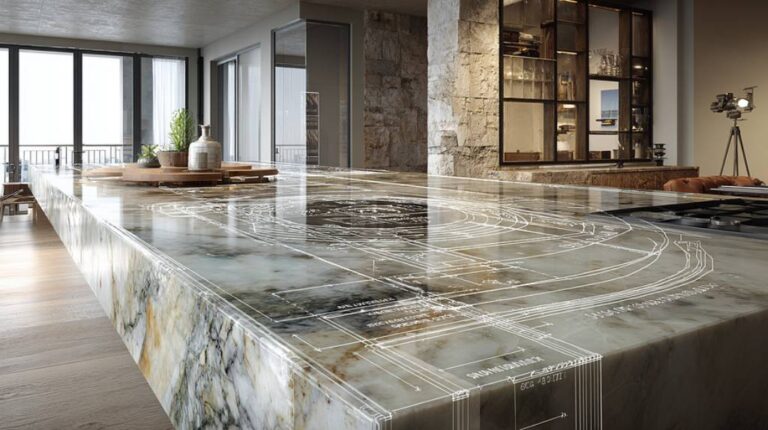
A polished marble floor may appear flawless in a controlled environment, yet in a sunlit foyer or a wet bathroom, its performance can change dramatically. This is where a finish Zoning Blueprint becomes essential. Rather than applying a single finish across an entire residence, this strategy maps finishes according to functional exposure, ensuring that each surface performs as beautifully as it looks.
Finish Is Performance, Not Decoration
Finish selection directly influences several critical aspects of daily living. Highly polished surfaces reflect light intensely, which can create glare in areas with strong natural illumination. In contrast, honed and leathered finishes diffuse light, producing a calmer and more sophisticated visual environment.
Safety is another key consideration. In barefoot or wet zones such as bathrooms, spas, and pool decks, polished finishes can become slippery. Honed and leathered textures provide improved traction, enhancing safety without compromising luxury.
Tactility also plays a significant role in how a home is experienced. Polished finishes feel smooth and formal, honed finishes offer a soft, velvety touch, and leathered finishes introduce subtle texture and warmth. Over time, these tactile qualities shape the emotional comfort of a space.
Maintenance and longevity further distinguish these finishes. Polished surfaces tend to reveal scratches and etching more visibly, particularly in kitchens where acidic substances are common. Honed and leathered finishes are more forgiving, aging gracefully and requiring less visual correction over time.
The Finish Zoning Approach
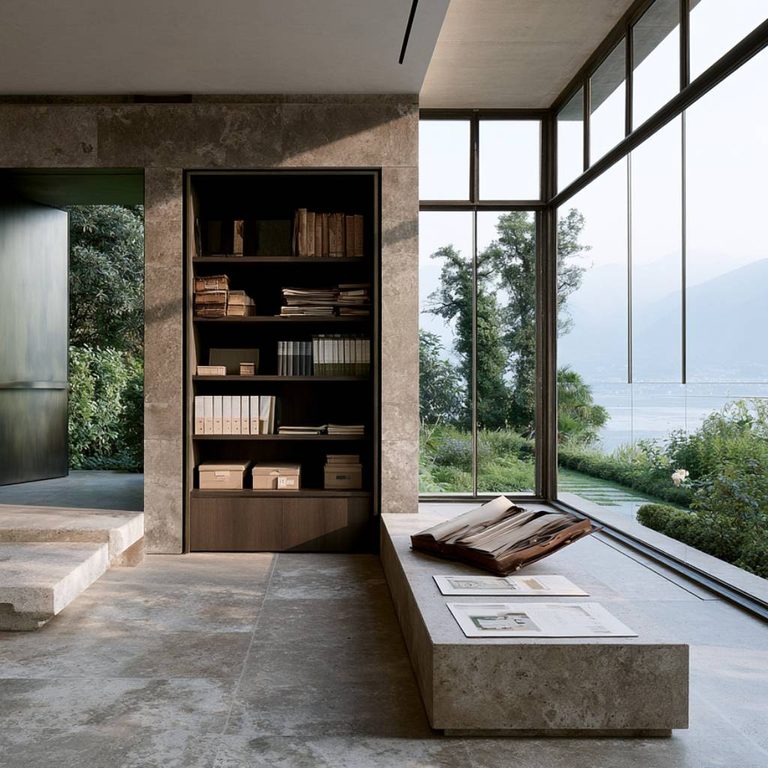
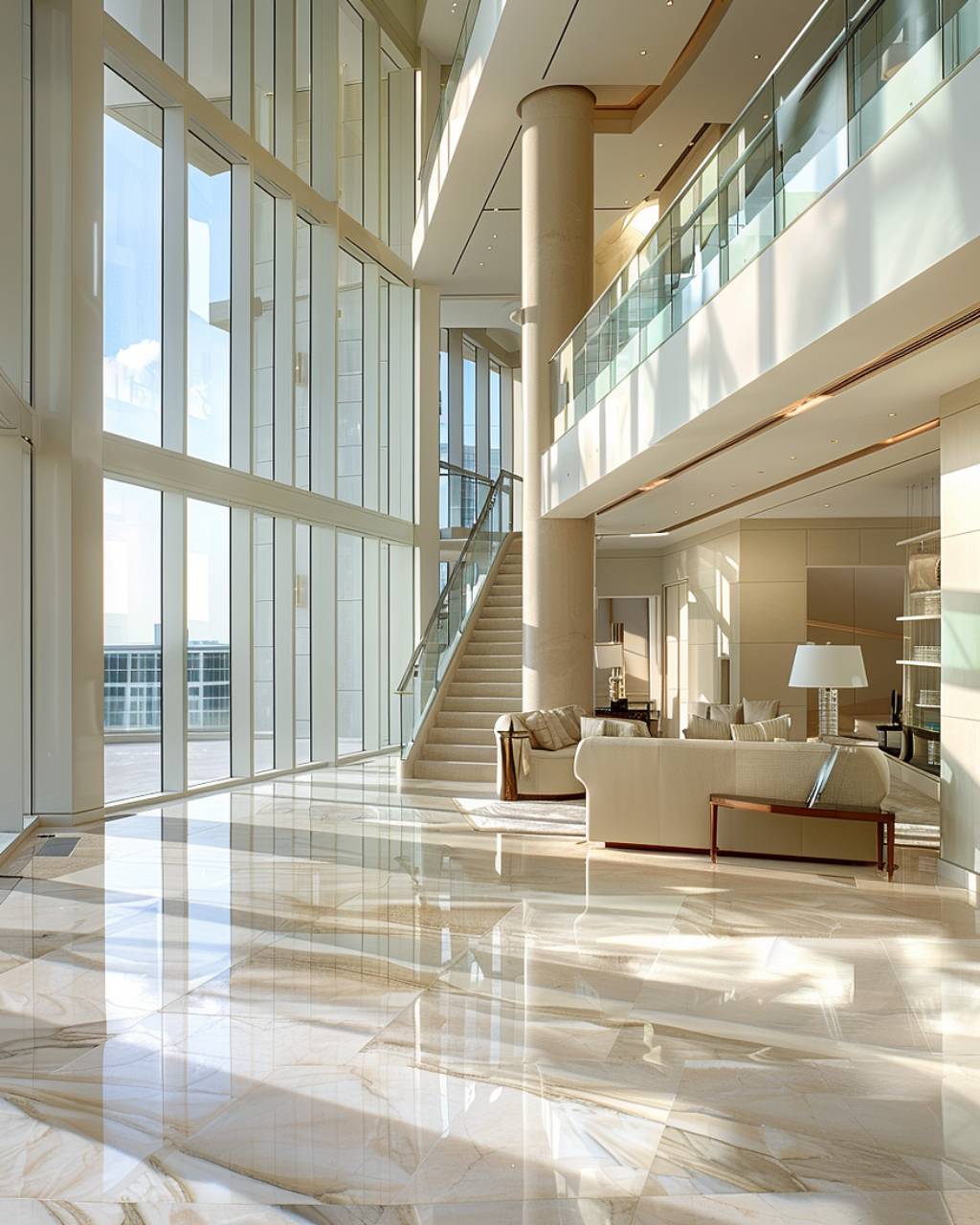
A high-performing luxury residence benefits from zoning finishes based on how each space is used. In entry foyers, where heavy foot traffic and dust abrasion are common, honed or lightly polished finishes provide a balance between elegance and durability while minimizing glare from natural light.
Living and formal areas benefit from honed finishes that create a refined matte sophistication. These finishes enhance furniture and artwork without overwhelming reflections and remain comfortable for barefoot movement.
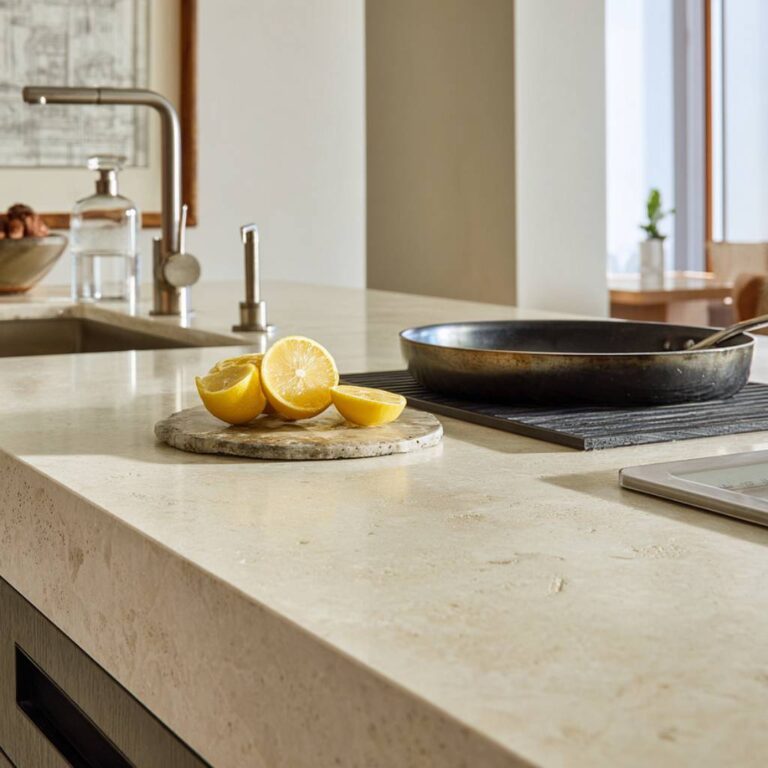
Kitchens demand performance-driven decisions. Honed or leathered finishes are ideal here due to their resistance to visible etching from acidic spills and their ability to conceal everyday wear. Leathered finishes, in particular, add tactile richness and visual depth.
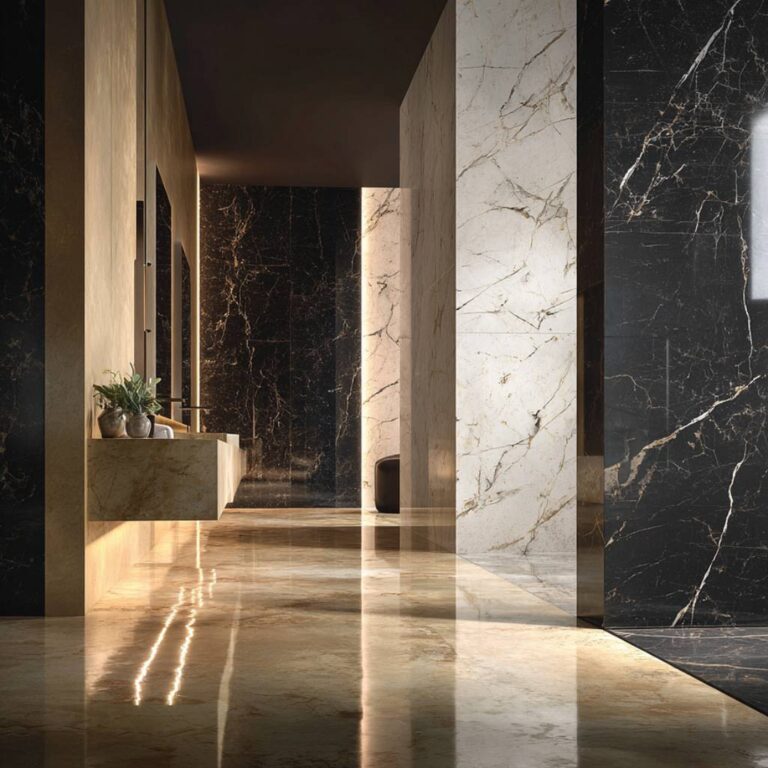
Bathrooms and wet zones require enhanced slip resistance. Honed and leathered finishes provide essential traction while maintaining a luxurious aesthetic. On staircases, honed finishes combined with anti-slip detailing ensure safety and visual continuity, whereas polished finishes should generally be avoided on treads.
Exterior areas face weather exposure and require finishes that can withstand environmental stress. Leathered or flamed finishes offer superior traction, durability, and ease of maintenance in outdoor conditions.
Evaluating Finishes Under Real Lighting
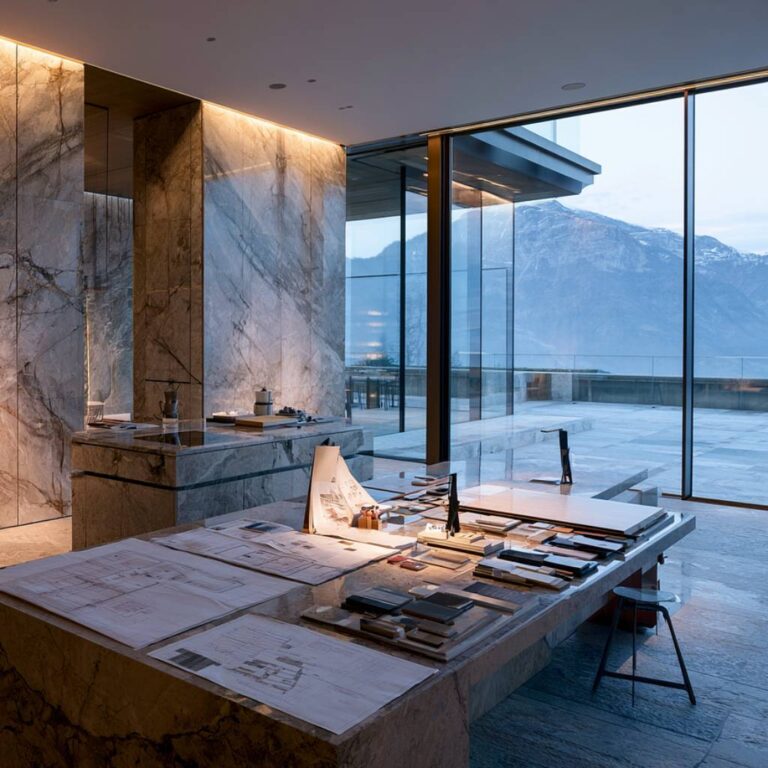
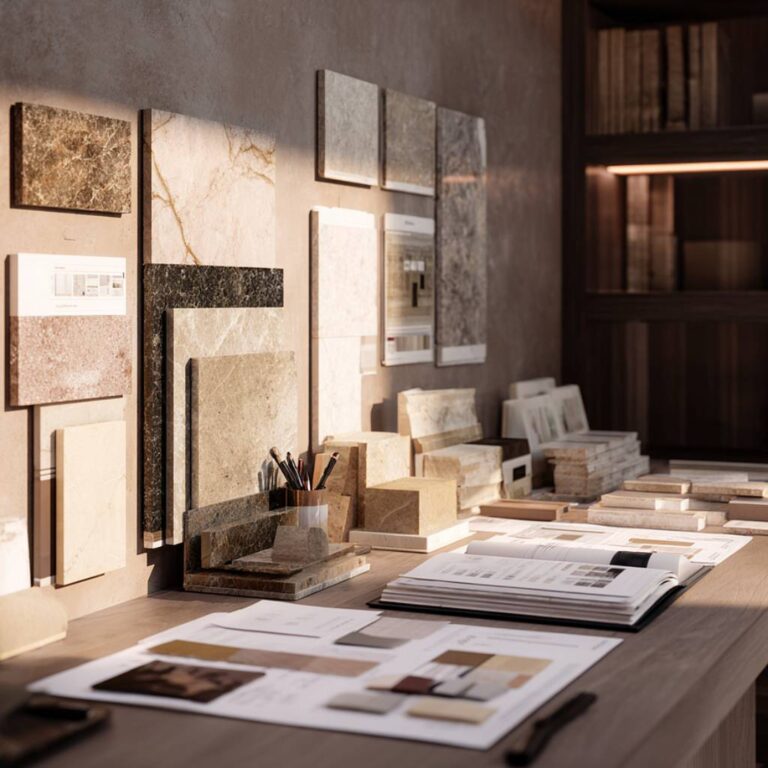
One of the most overlooked steps in finish selection is reviewing materials under actual lighting conditions. Showroom lighting is controlled and often masks glare and texture differences. A more reliable approach involves evaluating full-scale samples in environments that replicate the home’s lighting like direct sunlight, artificial evening lighting, and shaded conditions.
This process enables architects and homeowners to predict glare levels, understand how texture interacts with light throughout the day, and assess maintenance visibility before final specification. Lighting designers frequently observe issues such as excessive reflection near large glazing, glare hotspots under downlights, and unsafe mirror-like stair treads when polished finishes are misapplied.
Mitigation strategies include specifying honed finishes in high-glare zones, using layered lighting instead of direct spotlights, and coordinating finish decisions with lighting design early in the project timeline.
Designing for Longevity
Luxury is not defined solely by initial visual impact but by sustained performance over decades. A Finish Zoning Blueprint ensures that materials age gracefully, maintenance demands are minimized, and safety is enhanced without sacrificing visual refinement.
By aligning finish selection with real-world use, architects and homeowners move from purely aesthetic decision-making to performance-led design. The result is a residence where every surface is intentional, resilient, and enduring.
In the most successful luxury homes, beauty is not just seen, it is engineered.