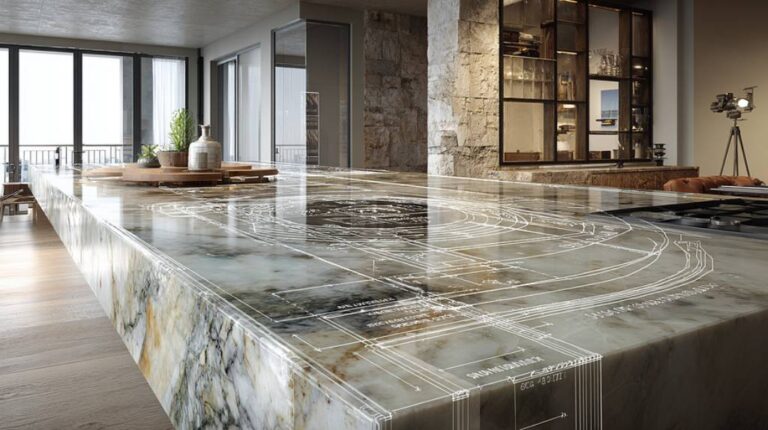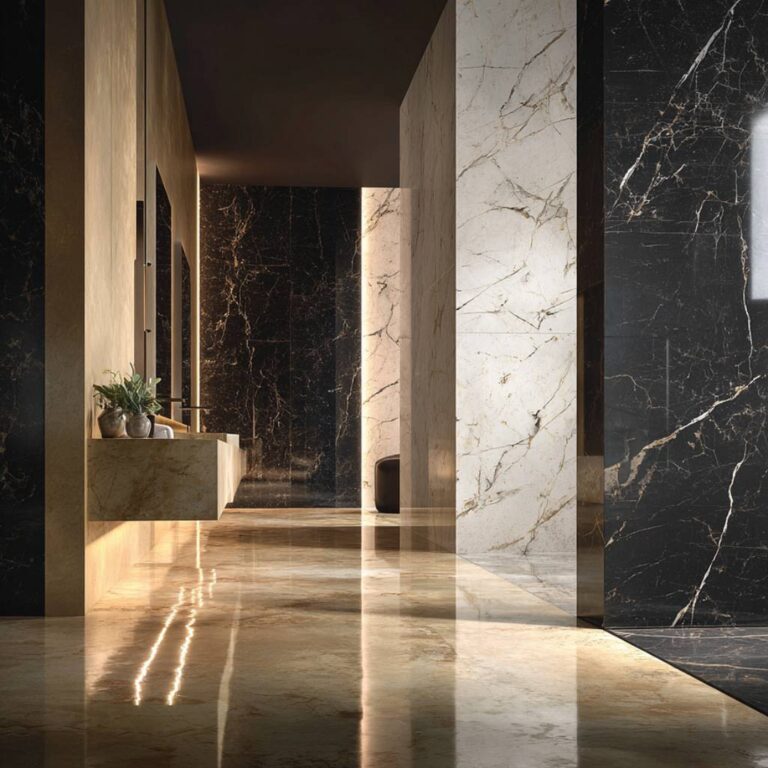
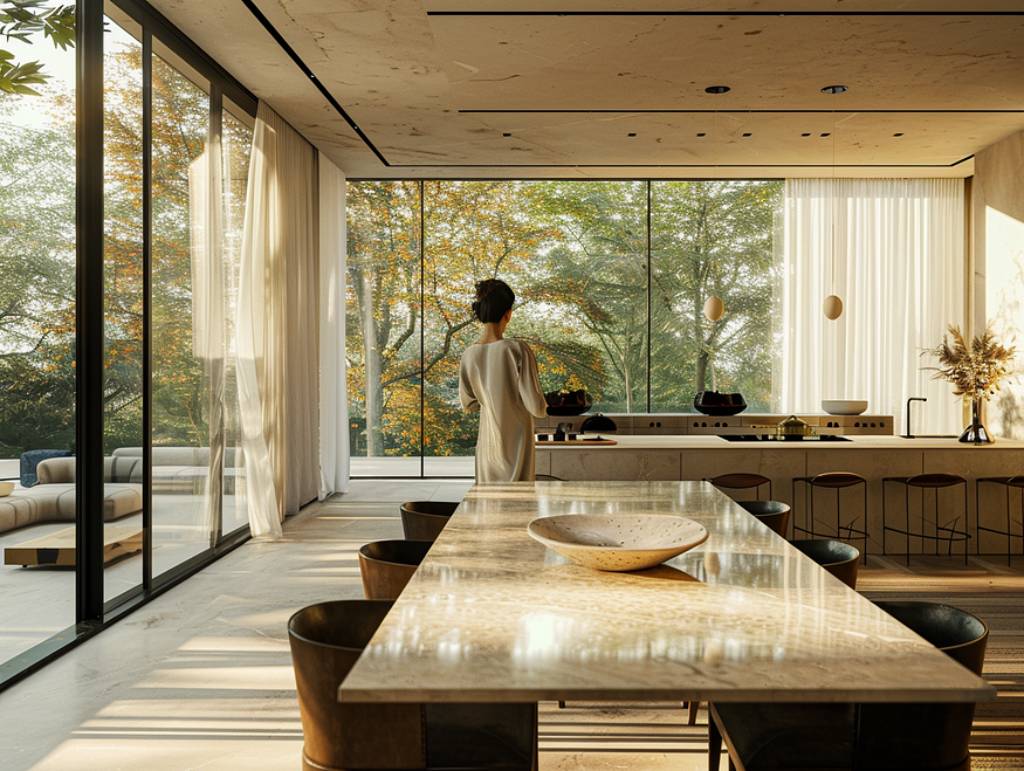
In the world of luxury homes, perfection is expected to be permanent. When a pristine stone dining surface suddenly develops dull patches, the reaction is immediate of panic, blame, and costly remediation. Yet, in many cases, what appears to be a defect is simply predictable behavior of calcium-carbonate stones exposed to acidic substances or harsh cleaners. The real issue is not the stone; it is the absence of a clearly defined cleaning specification at handover.
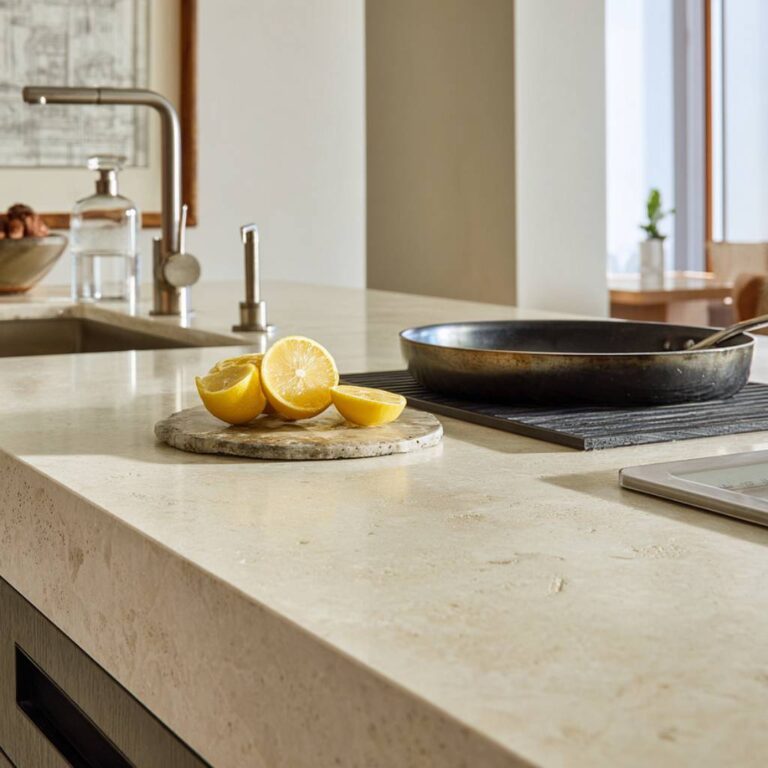
Natural stones such as marble and limestone are inherently sensitive to acids. Everyday household items like lemon juice, vinegar, wine, or even certain commercial cleaners, can react with the surface, causing etching that appears as matte or cloudy marks. In ultra-luxury residences, where expectations of flawless finishes are high, this phenomenon is often misinterpreted as material failure rather than a known characteristic. The result is unnecessary disputes between homeowners, designers, contractors, and housekeeping teams.
This blueprint story examines a common yet avoidable scenario: a luxury dining table installed with exquisite craftsmanship, only to be compromised by routine cleaning practices. The absence of a documented, pH-neutral cleaning protocol leaves housekeeping staff to rely on generic products and methods, inadvertently damaging the surface. What follows is a cycle of restoration, frustration, and avoidable expense, an outcome that could have been prevented with a simple, well-communicated care strategy.
Understanding Etching: A Predictable Reaction
Etching occurs when acidic substances react with calcium carbonate in stones like marble and limestone, dissolving microscopic layers of the surface. Unlike stains, which can often be removed, etching alters the finish itself. Polished surfaces show this damage more visibly, while honed or leathered finishes tend to mask it. Recognizing this distinction is crucial in selecting the appropriate finish for specific applications, especially in high-use areas such as dining tables and kitchen countertops.
The Missing Link: Cleaning Specifications at Handover
Luxury homes are meticulously documented in terms of design intent, material specifications, and installation details. However, post-handover care instructions are frequently overlooked or treated as an afterthought. A one-page, clearly written cleaning specification can bridge this gap by aligning material performance with daily habits. This document should be shared with homeowners and housekeeping teams, ensuring that everyone responsible for maintenance understands the correct procedures.
A Practical Framework for Stone Care
1. Daily Care
Use a soft microfiber cloth with a pH-neutral stone cleaner. Avoid abrasive pads and acidic solutions. Promptly wipe spills, especially those containing citrus, wine, or vinegar.
2. Weekly Maintenance
Clean surfaces with a diluted pH-neutral solution and dry thoroughly to prevent water spots. Inspect for early signs of etching or staining.
3. Incident Response
- Acid Spill: Blot immediately, do not wipe. Rinse with water and neutralize with a pH-neutral cleaner.
- Oil Stain: Apply a poultice designed for natural stone.
- Etching: Consult a professional for refinishing; avoid DIY abrasives.
4. Finish Selection Guidance
- Polished: Best for low-traffic, decorative areas; highly reflective but more prone to visible etching.
- Honed: Ideal for dining and kitchen applications; offers a softer appearance and better camouflage of etching.
- Leathered: Suitable for high-traffic zones; textured surface enhances durability and slip resistance.
Training Housekeeping: Protecting the Asset
In ultra-high-net-worth homes, housekeeping teams play a critical role in preserving material integrity. Providing hands-on training and easy-to-follow care cards empowers staff to maintain surfaces correctly. Collaboration with reputable cleaning brands to develop stone-safe protocols further reinforces this approach, transforming maintenance from a reactive task into a proactive strategy.
Aligning Material Choice with Daily Life
Selecting natural stone is not merely an aesthetic decision but it is a commitment to a living material that evolves over time. By aligning finish selection, cleaning protocols, and user education, designers can ensure that stone surfaces age gracefully rather than deteriorate prematurely. This alignment is especially vital in luxury environments, where material performance must match the expectations of longevity and refinement.
Conclusion: Prevention Over Restoration
Stone does not fail; systems do. The panic surrounding etched surfaces is a symptom of missing information and misaligned practices. By issuing a concise, pH-neutral cleaning specification at handover and integrating housekeeping training into the project lifecycle, stakeholders can prevent disputes, protect investments, and uphold the integrity of luxury design.
In the end, true luxury is not just about selecting exquisite materials but it is about ensuring they endure. A thoughtfully crafted care strategy transforms stone from a vulnerable surface into a lasting legacy, preserving both beauty and peace of mind for years to come.