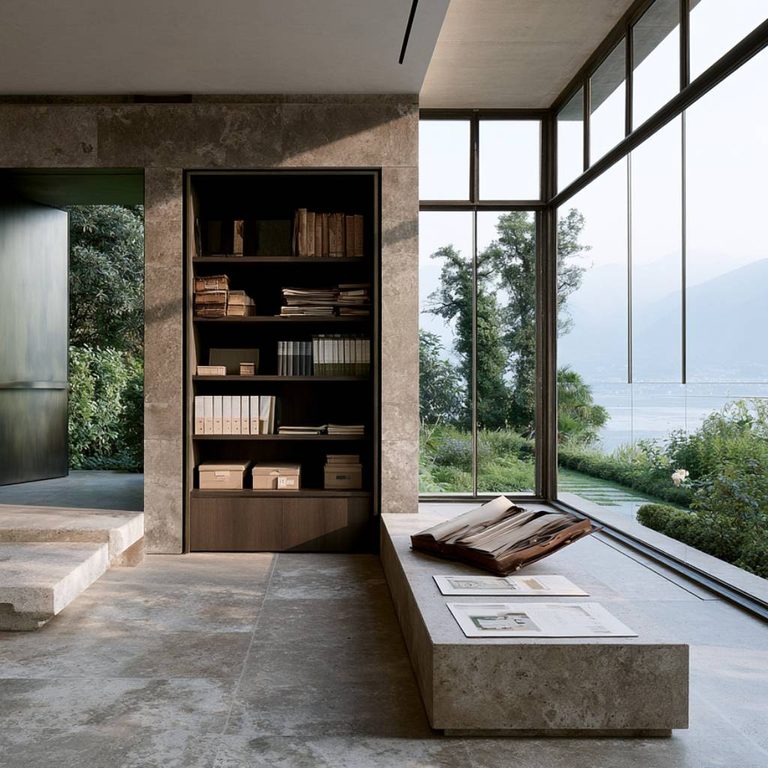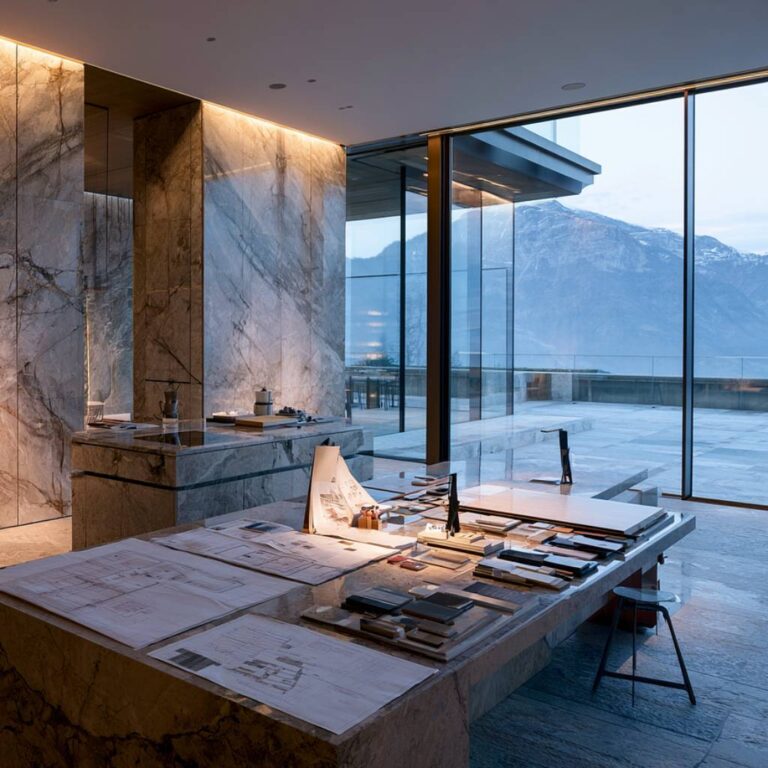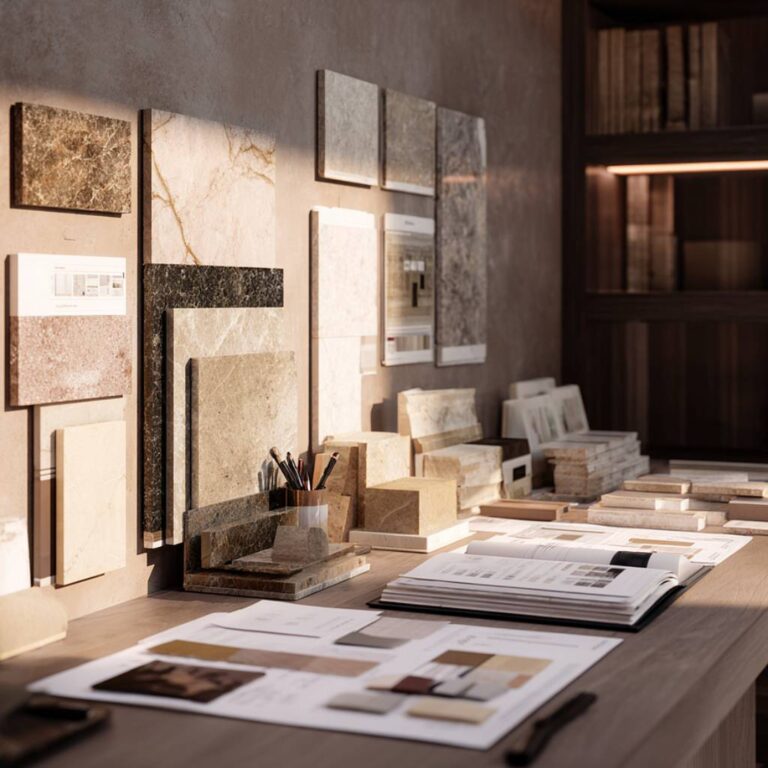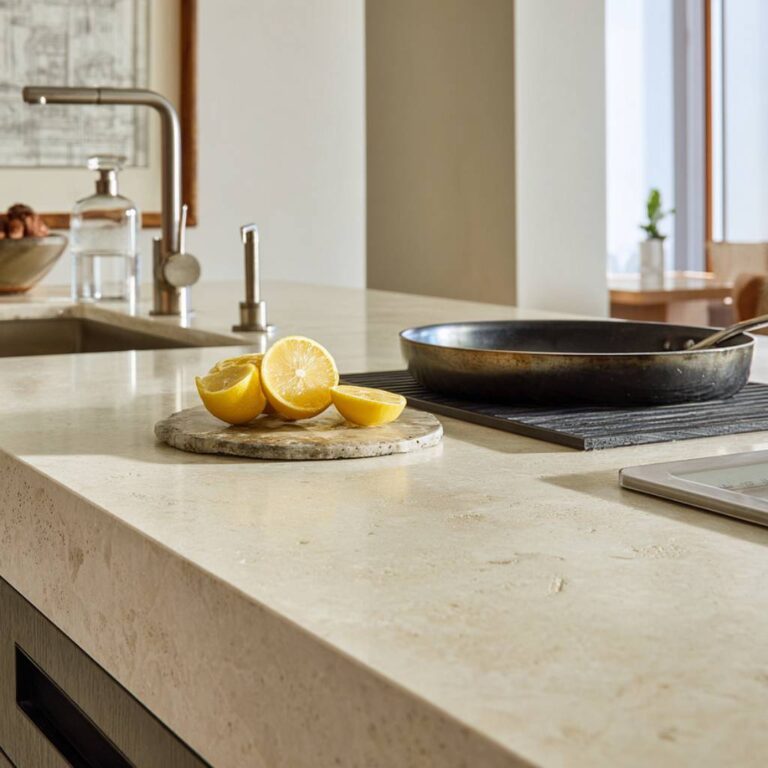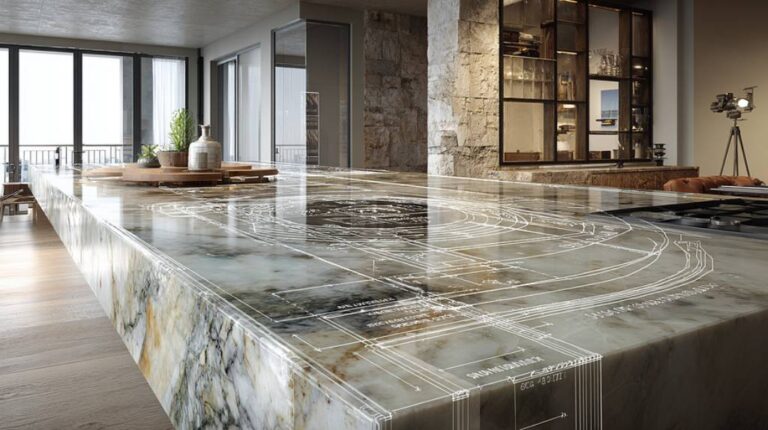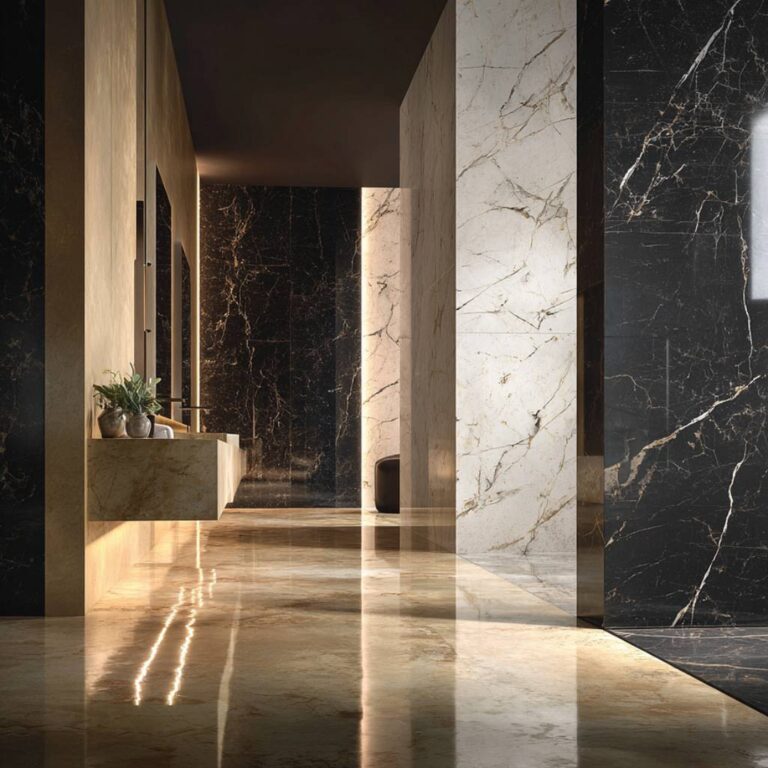
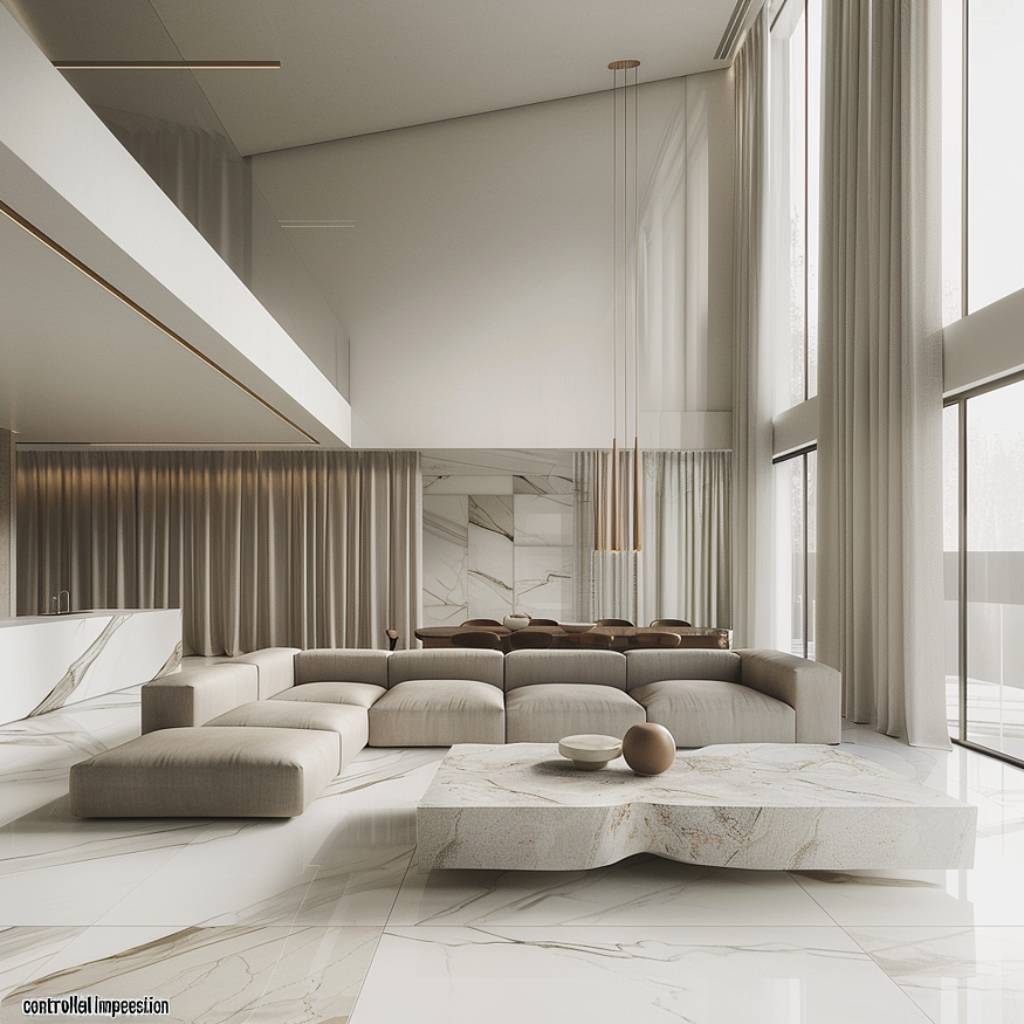
Luxury interiors often celebrate what is seen, stone surfaces that read like sculpture, seamless marble expanses, monolithic tiles that feel almost geological in their permanence. But beneath this visual stillness lies a quiet contradiction: buildings are never still.
They move.
Thermal expansion, structural settlement, material shrinkage of every surface, no matter how refined, is in a constant state of subtle negotiation with its environment. And yet, in many high-end projects, this movement is treated as an afterthought. The result is predictable: cracks that appear like hairline fractures in a carefully composed narrative, joints that look accidental rather than intentional, and surfaces that age prematurely despite their material richness.
The paradox of luxury is, “what appears rigid must be designed to move”.
The Myth of Seamlessness
In contemporary interiors, especially within the language of “quiet luxury,” there is a strong visual bias toward continuity. Large-format marble, uninterrupted flooring, flush junctions all these choices signal control, precision, and expense.
But true control is not about eliminating joints. It is about placing them intelligently.
A joint is not a flaw. It is an acknowledgment of reality.
When joints are ignored, they return later as cracks. When they are designed, they become part of the architecture, subtle lines that organize surfaces, guide the eye, and absorb movement without spectacle.
Understanding the Anatomy of Movement
Every rigid finish of stone, tile, even certain engineered surfaces rely on a stable relationship with its substrate. When that substrate shifts, expands, or contracts, the finish must accommodate the change.
This is where joint strategy becomes critical.
There are three primary conditions that demand attention:
- Perimeter joints: Where surfaces meet walls or vertical elements
- Field joints: Distributed within large expanses to break stress continuity
- Changes in plane: Corners, edges, and transitions between horizontal and vertical surfaces
Each of these moments is less about construction and more about foresight. They map where movement will occur before it becomes visible.
From Patchwork to Planning
In many projects, joints are introduced reactively, after cracks appear. Sealants are applied like cosmetic corrections, attempting to disguise what should have been anticipated.
This reactive approach is what makes joints look like repairs.
A layout-led strategy reverse this entirely. Instead of asking, “Where do we fix cracks?” the question becomes, “Where should movement be absorbed?”
When joints are embedded into the layout from the beginning, they read as intentional design decisions. Lines align with grids, edges coincide with transitions, and materials behave as expected over time.
The difference is not technical, it is perceptual.
Responsibility Is a Design Decision
One of the most overlooked aspects of movement accommodation is clarity of responsibility.
Design teams often define the visual language but stop short of specifying joint logic in detail. Installers, on the other hand, are left to interpret drawings under site constraints, leading to inconsistent execution.
A robust blueprint assigns roles clearly:
- Design team: Defines joint locations, hierarchy, and alignment with spatial intent
- Installer: Executes based on drawings, ensuring compliance with product and substrate requirements
- Material systems: Dictate tolerances, backer rods, sealant types, and movement capacity
When this chain is broken, even the most expensive materials fail.
The Aesthetics of Restraint
In high-end interiors, restraint is often misunderstood as absence. But restraint, when done well, is about precision, knowing what to show and what to conceal.
Movement joints belong to this category.
They are not meant to dominate the visual field, but neither should they be disguised poorly. The goal is subtle legibility: joints that are present, aligned, and quietly doing their job.
A well-designed joint does not call attention to itself. But its absence or failure is immediately visible.
Designing for Time, Not Just Completion
The true test of a luxury interior is not how it looks on handover day, but how it ages.
Surfaces that remain intact, edges that stay crisp, materials that continue to feel intentional these are not accidents. They are the result of decisions made early, often in drawings that never get photographed.
Movement accommodation is one of those decisions.
It does not appear in glossy spreads or social media posts. But it determines whether those images remain true months and years later.
Quiet Luxury Is Still Structure
The current shift toward “quiet luxury” emphasizes subtlety, less overt branding, fewer decorative gestures, more reliance on material integrity and spatial calm.
But this quietness does not eliminate structure. It demands more of it.
When finishes are minimal, every imperfection is amplified. Cracks are not just technical failures, they are disruptions in a carefully controlled atmosphere.
This is why joints, despite their invisibility, are central to the language of contemporary luxury.
They are the difference between surfaces that perform and surfaces that pretend.
Closing Thought
In architecture, the most important details are often the ones that do not announce themselves. Movement joints belong to this category of invisible discipline. They do not add value in the way marble or lighting does. They protect it.
And in a world where luxury is increasingly defined by longevity rather than excess, that protection is not optional it is fundamental.