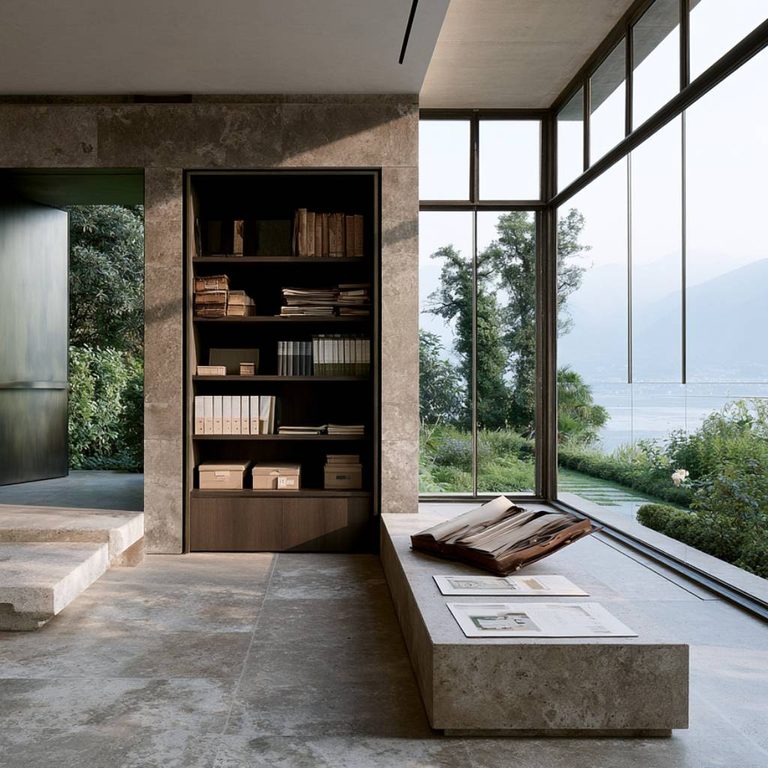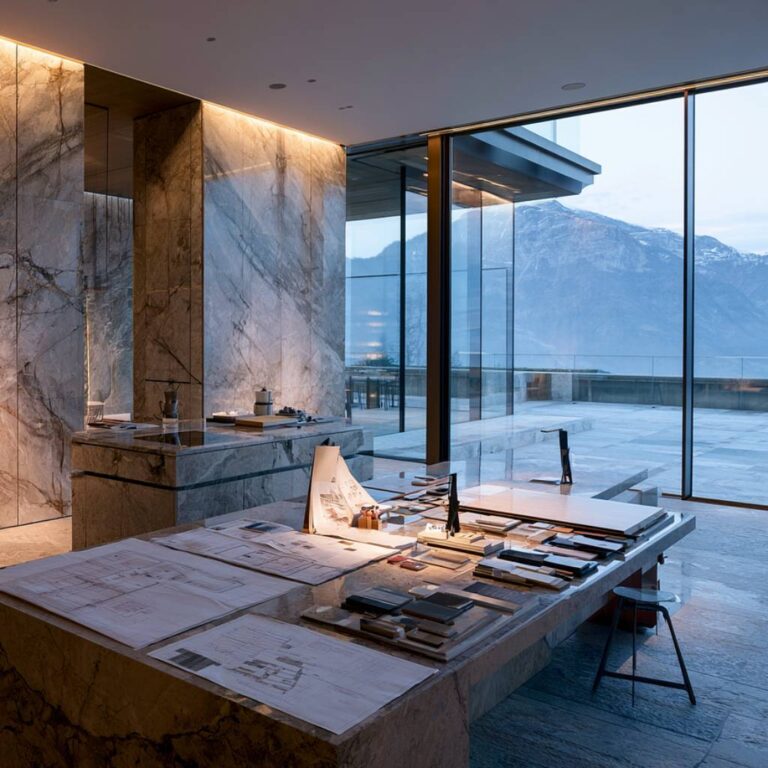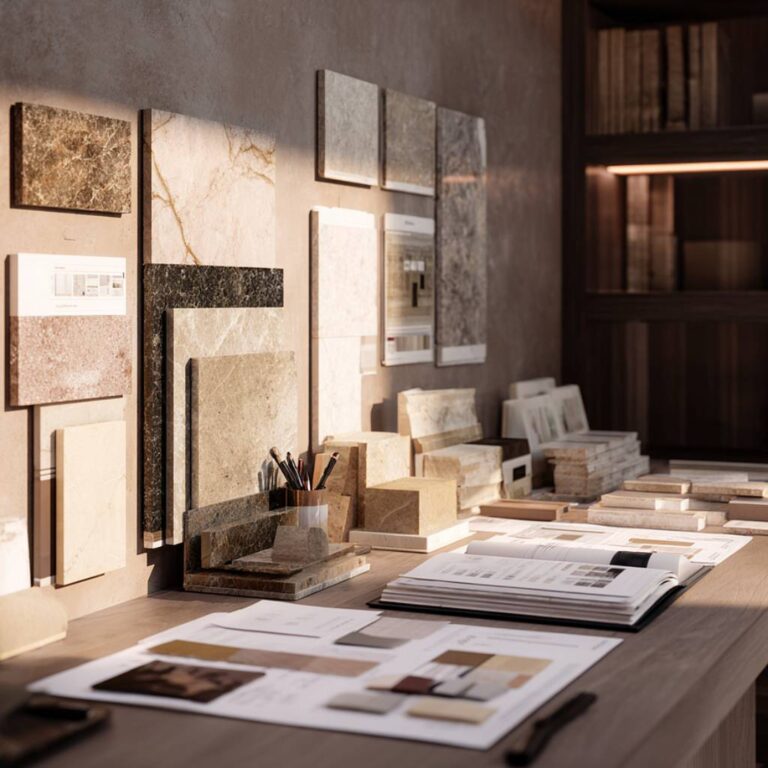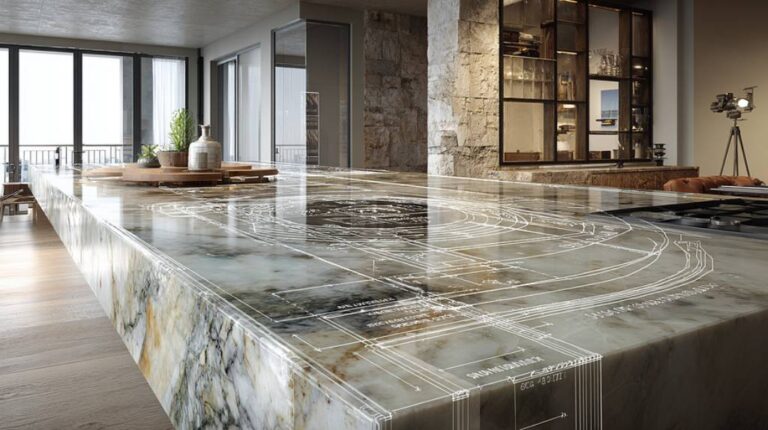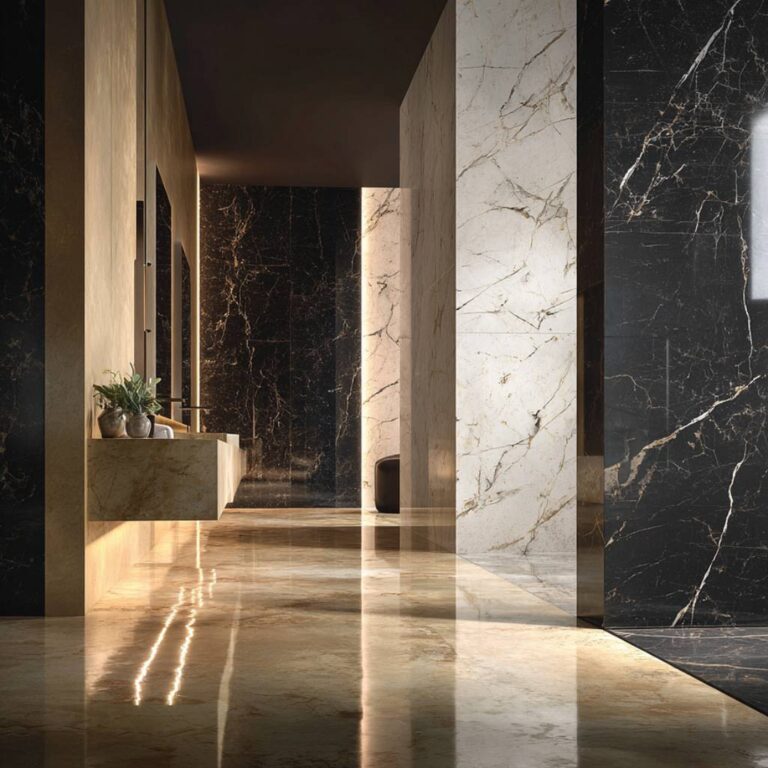
Luxury homes are often judged at the moment of completion.
Fresh stone, flawless paint, seamless metalwork, and perfectly aligned joinery create an immediate sense of refinement. Photographs capture this stillness, presenting the house as resolved and permanent. Yet the true test of luxury does not begin on handover day. It begins slowly, almost invisibly, in the years that follow.
Time is the most honest critic of architecture.
Sunlight fades pigments. Moisture enters microscopic gaps. Surfaces accumulate scratches from ordinary life. Temperature shifts expand and contract materials in quiet cycles. None of these forces is dramatic in isolation, yet together they determine whether a home matures with dignity or deteriorates with discomfort. Durability, therefore, is not a maintenance issue alone. It is a design decision made long before construction ends.
Designing Beyond the Moment of Completion
Many residential projects are optimised for visual perfection at handover rather than stability over decades. Finishes are selected for immediate impact, not long-term behaviour. Protective detailing is simplified to accelerate timelines. Materials are combined without fully considering how they will age together. The result is a home that looks exceptional on day one but begins to reveal stress within a few seasons.
Designing for 10–20 years instead of 10–20 weeks requires a different mindset.
Every surface must be evaluated not only for beauty, but for exposure: sun, water, touch, heat, and cleaning. Longevity begins when the architect asks a quieter question: How will this feel after years of living, not just after photography?
Ultraviolet Light: The Slow Fading Force
UV exposure is one of the most underestimated influences on interior durability.
Natural timber darkens or bleaches depending on the species. Fabrics lose saturation. Coatings, chalk or discolour. Even stone can shift subtly in tone under prolonged sunlight. South- and west-facing façades experience this transformation most intensely, where daily light becomes cumulative ageing.
Thoughtful design does not attempt to eliminate UV.
Instead, it moderates exposure through shading geometry, deep reveals, protective glazing, and material selection that tolerates gradual change. Some materials are chosen precisely because they age visibly yet gracefully, allowing time to become part of the architecture rather than its enemy.
Moisture: The Invisible Intrusion
If sunlight is visible, ageing, moisture is invisible ageing.
Water vapour travels silently through air, materials, and junctions. Inadequate waterproofing, poor ventilation, or thermal bridges can trap humidity within walls and floors. Months later, the consequences appear as swelling timber, peeling paint, efflorescence in stone, or concealed mould.
Durable luxury homes treat moisture as a design system, not a post-construction fix.
Layered waterproofing, breathable assemblies, drainage planning, and controlled ventilation ensure that water is guided rather than resisted. The difference between temporary beauty and lasting comfort often lies in details too small to photograph.
Scratches, Stains, and the Reality of Living
A home designed only for visual perfection rarely survives daily use.
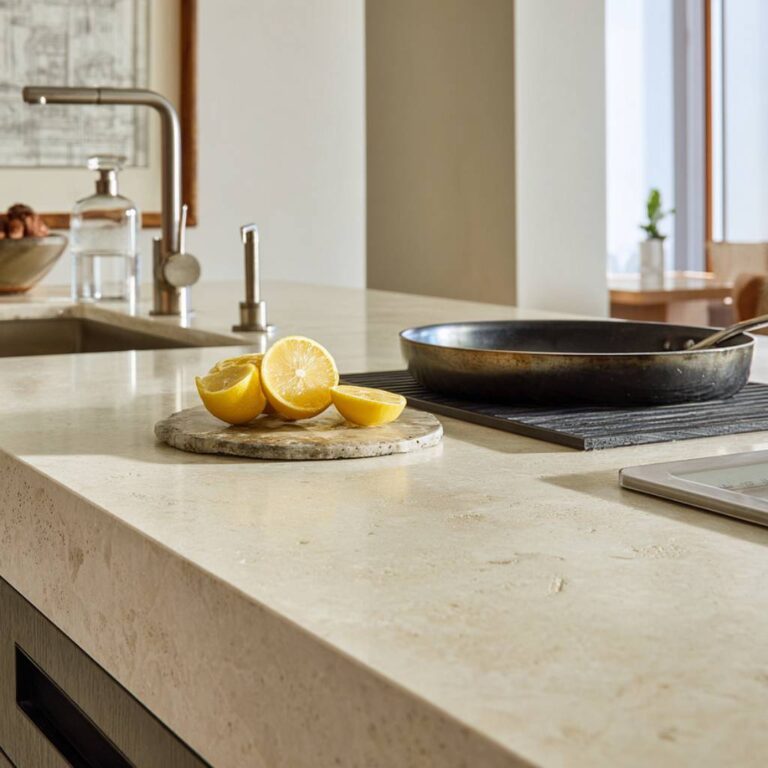
Floors receive grit from shoes. Kitchen surfaces encounter oil, acid, and heat. Metal handles polish unevenly through touch. Children, pets, and movement introduce marks that no specification sheet can prevent.
The goal of durability is not to eliminate wear, but to absorb it gracefully.
Materials with depth of colour, repairable finishes, and forgiving textures allow minor damage to blend into character rather than stand out as a defect. In this sense, durability is closely linked to psychology. Homes that age well feel calm because change appears natural, not accidental.
Thermal Movement and Material Compatibility
Temperature constantly reshapes built form.
Stone expands in heat. Metal contracts in cold. Timber responds to humidity. Where different materials meet, these movements accumulate as stress. Without expansion joints, flexible sealants, or compatible fixing systems, tension eventually releases through cracks or separation.
Designing for longevity, therefore, requires anticipating movement before it occurs.
Precision detailing at junctions, often invisible after completion, allows the building to adjust without damage. Luxury, in this context, is not rigidity. It is controlled flexibility.
Maintenance as Part of Design Thinking
True durability is inseparable from maintenance planning.
Surfaces that cannot be accessed, cleaned, resealed, or repaired inevitably decline. High-end homes that age gracefully are those where maintenance was considered during design, where drainage can be inspected, finishes can be refinished, and components can be replaced without demolition.
This approach reframes maintenance from burden to continuity.
A well-designed home does not resist time; it collaborates with it, allowing care to extend life rather than merely delay failure.
The Emotional Dimension of Ageing Materials
Not all ageing is negative.
Some materials deepen in beauty as years pass, stone developing patina, timber softening in tone, metals acquiring quiet warmth. These transformations create emotional permanence, linking present living with future memory.
Designing for graceful ageing means selecting materials that improve through touch and time, rather than those that demand constant restoration. The difference is subtle but profound: one approach fights ageing, the other welcomes it.
This perspective naturally leads to a deeper architectural question:
Which surfaces are meant to remain pristine, and which are meant to evolve?
Answering it begins the next conversation in luxury residential design:
choosing surfaces that age gracefully.
Durability as the True Measure of Luxury
In the end, durability is not about resisting change. It is about guiding change with intelligence.
Homes that age well were never designed only for admiration.
They were designed for sunlight, moisture, temperature, touch, and time.
They were designed for decades of living rather than a single moment of completion.
True luxury, therefore, is not the perfection seen on handover day.
It is the quiet confidence that, years later, the home will still feel whole.