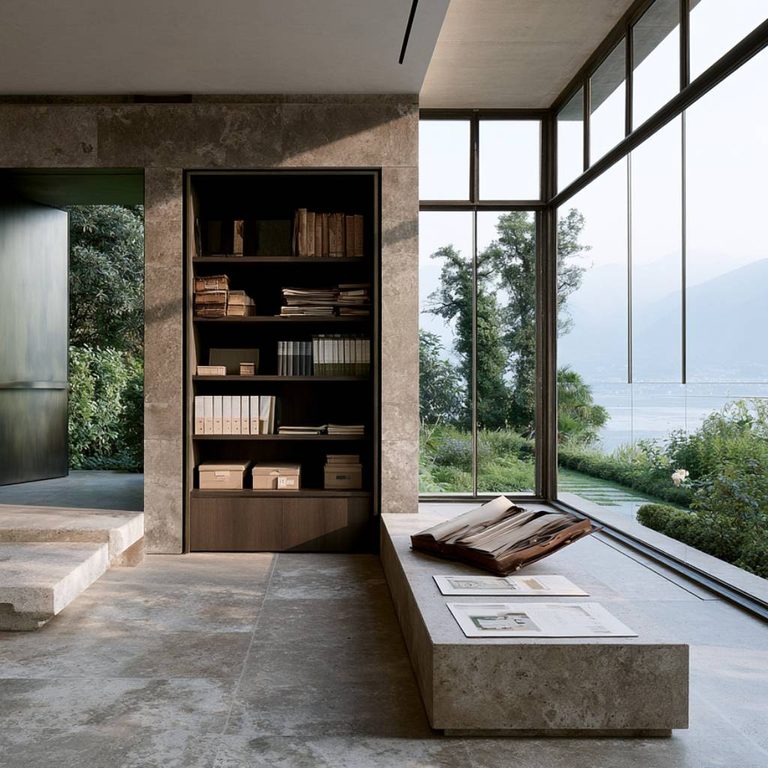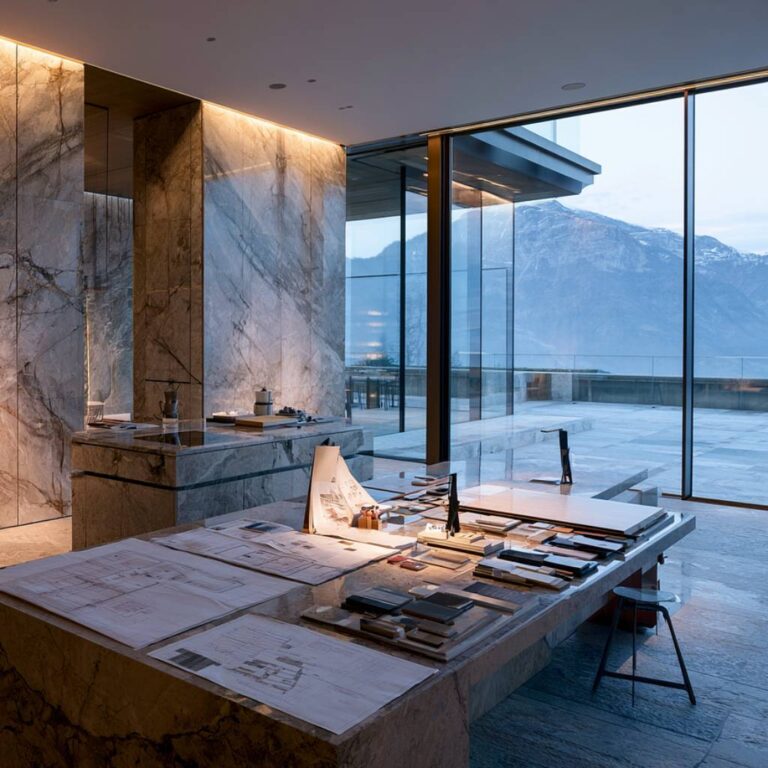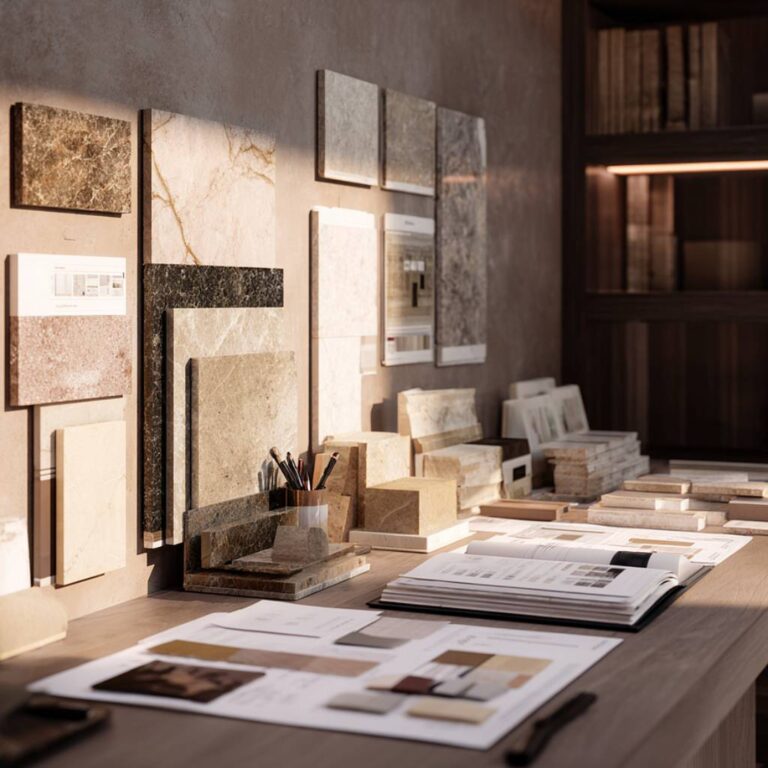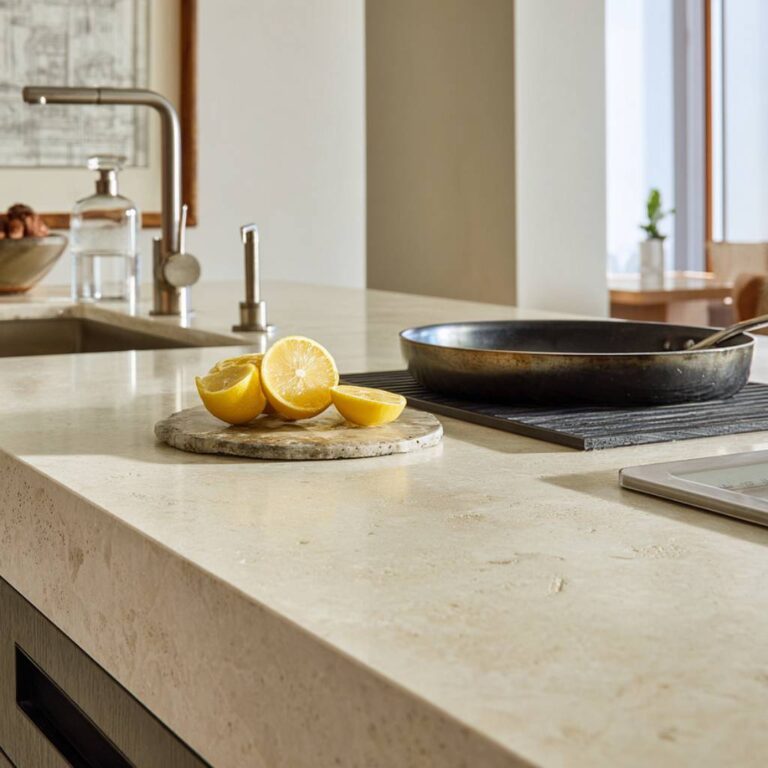
In luxury residential design, surfaces are often discussed through the language of beauty that is tone, texture, grain, reflectivity, and visual calm. Catalogues present marble beside limestone, timber beside metal, each framed as an aesthetic choice capable of shaping atmosphere. Yet in homes designed to endure real living, surfaces must answer a quieter and more demanding question before they answer beauty: how will they perform over time, in the exact place where they are used?
This is the essence of surface strategy.
Not every floor or wall finish is meant for every room. A material that feels serene in a living area may fail near an entry exposed to grit and moisture. A stone that appears flawless on a vertical wall may stain when placed horizontally in a kitchen. Durability, safety, maintenance, and ageing behaviour vary across the home, and true luxury emerges when these variations are understood early rather than corrected later.
Surface selection, therefore, is not a decorative exercise.
It is a mapping of performance zones like entry, living, kitchen, wet areas, and outdoor thresholds; each with distinct physical demands. When materials align with these demands, the house remains calm through years of use. When they do not, even the most refined finish begins to feel fragile.
Entry Zones: Where Exterior Reality Meets Interior Calm
The entry is the most physically stressed surface in the home.
Shoes carry grit, moisture, and microscopic particles capable of scratching delicate finishes. Temperature shifts from outdoors introduce expansion and contraction. Cleaning frequency is higher than in any other interior space. Materials here must therefore prioritise abrasion resistance, slip control, and ease of maintenance over visual delicacy.
Dense natural stone with textured finishing, high-performance porcelain, or treated hard surfaces often perform better than polished materials in this zone. The goal is not to eliminate elegance, but to ensure that elegance survives contact with the outside world. A well-designed entry quietly absorbs impact so the rest of the home can remain untouched.
Living Areas: Calm Surfaces for Continuous Presence
Living spaces demand a different balance.
Traffic is lighter, moisture exposure is minimal, and the emotional role of the room becomes central. Surfaces here must sustain visual warmth, tactile comfort, and long-term tonal stability rather than extreme durability alone.
This is where softer stones, refined timber flooring, or subtly finished large-format materials can succeed. Minor ageing in such spaces often enhances character rather than diminishing it. The living area becomes the emotional centre of the house, and its surfaces must age with the same quiet dignity as the life unfolding upon them.
Kitchens: Chemistry, Heat, and Repetition
Kitchens operate under continuous stress.
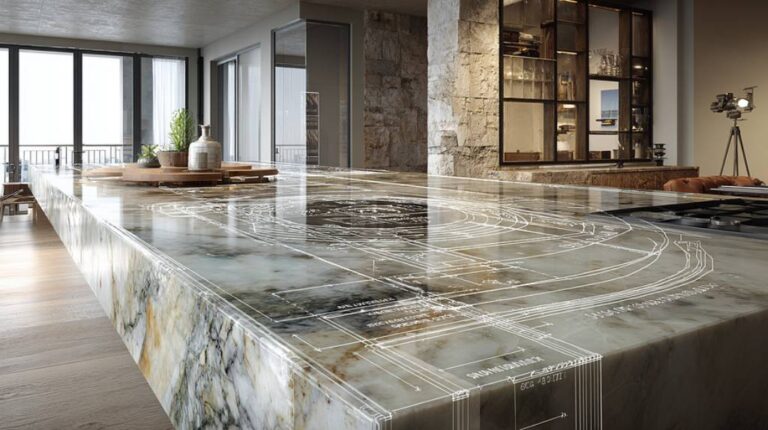
Oil, acids, pigments, heat, and repeated cleaning cycles test every surface. Horizontal planes in particular must resist staining, thermal shock, and chemical interaction. Materials that appear flawless in showrooms may reveal vulnerability under daily cooking.
Performance-driven selection becomes essential:
non-porous stone, engineered surfaces, dense porcelain, or properly sealed natural materials designed for maintenance cycles. The objective is resilience without sacrificing refinement. In successful luxury kitchens, durability is invisible but constant.
Wet Areas: Water as the Primary Design Force
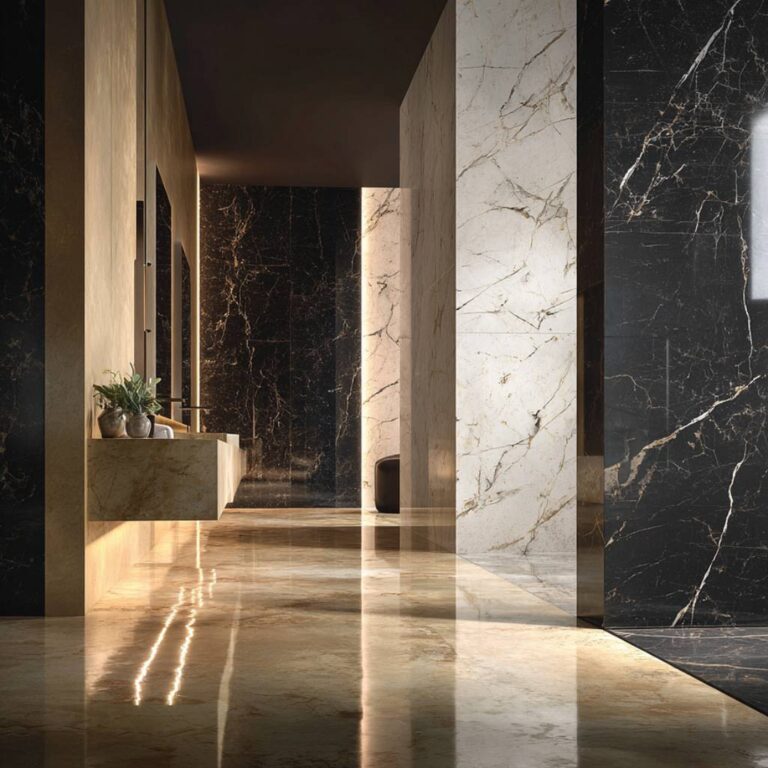
Bathrooms and spa environments are governed almost entirely by moisture.
Slip resistance, waterproofing compatibility, and resistance to mineral deposits define long-term success. Even a visually perfect stone can fail if porosity, sealing strategy, or drainage slope is unresolved.
Vertical wall cladding in these spaces must also tolerate humidity without staining or detachment. True luxury in wet areas is not extravagance of material, but precision of detailing like junctions, slopes, ventilation, and maintenance logic working together silently.
Outdoor Surfaces: Exposure Without Protection
Outdoor zones face the most extreme conditions.
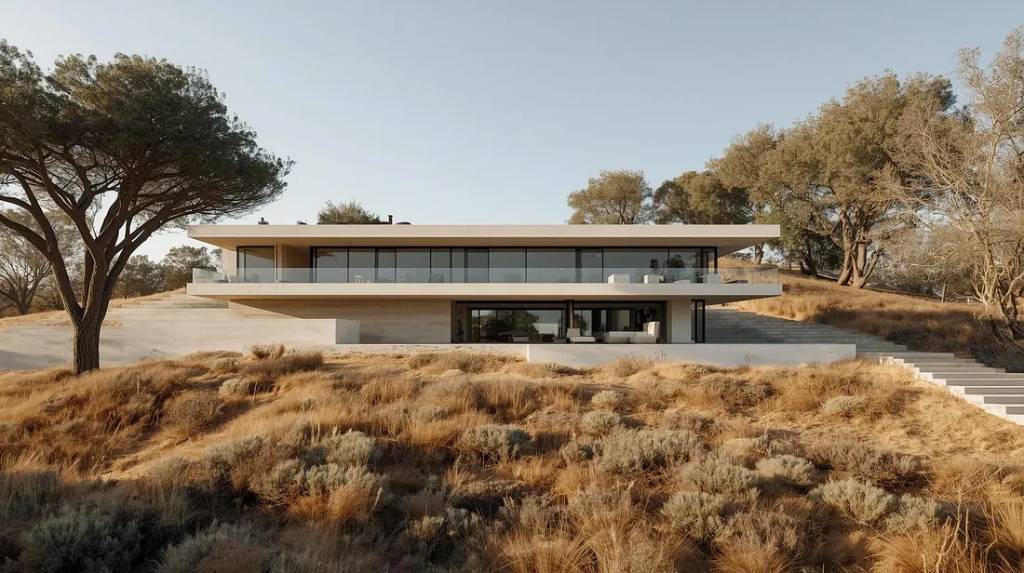
Ultraviolet light, rain, temperature fluctuation, and biological growth test materials are continuously. Surfaces must resist fading, cracking, thermal movement, and slip hazards while remaining visually connected to the interior palette.
This threshold between inside and outside is where surface strategy becomes architectural rather than decorative. Materials must transition gracefully across climate, not merely across rooms.
Horizontal vs Vertical Logic
Another overlooked distinction in luxury homes is the difference between horizontal wear and vertical exposure.
Floors endure pressure, abrasion, and impact. Walls primarily confront light, touch, and occasional moisture. A stone suitable for cladding may not perform as flooring. A finish perfect for a wall may deteriorate under foot traffic.
Understanding this simple physical truth prevents many long-term failures.
Surface strategy, at its core, is an exercise in respecting gravity, friction, and water.
Maintenance as a Design Parameter
All surfaces change with time.
The question is whether that change appears as graceful ageing or visible damage. Materials chosen with realistic maintenance cycles, like resealing, cleaning, and refinishing, retain dignity far longer than those selected for immediate perfection.
Luxury, therefore, is not the absence of maintenance.
It is the ease of caring for what exists.
Toward Material Intelligence
Seen holistically, surface strategy transforms the way luxury homes are conceived.
Instead of asking, Which material looks most beautiful?
The design process begins to ask,
Which material belongs here, physically and temporally?
This shift introduces a deeper architectural intelligence, one where materials are not decorative layers but responses to real conditions. Over time, such thinking naturally leads to examining specific stones and finishes not as products, but as examples of performance within defined zones.
That conversation, about materials whose behaviour aligns precisely with their environment, forms the next step in understanding luxury surfaces.
And within that frame, certain stones will emerge not as decoration, but as evidence of strategy.
Conclusion: Performance Before Appearance
In the end, the success of luxury surfaces is rarely determined by rarity or cost.
It is determined by alignment between material behaviour and spatial use.
Homes that remain calm over decades are those where floors, walls, and cladding were chosen not only for how they looked on completion day, but for how they would respond to entry dust, kitchen heat, bathroom moisture, outdoor exposure, and daily life itself.
True luxury does not begin with the surface.
It begins with understanding where that surface belongs.