In luxury residential architecture, materials are often discussed in terms of texture, tone, and visual impact. Rarely are they discussed in terms of weight. Yet mass is not an abstract property. It is structural force. And in high-end construction, weight is not merely carried but is calculated, distributed, and engineered.
Material mass directly influences how a building stands.
When specifying dense, monolithic finishes such as natural stone, the conversation must extend beyond surface expression. Weight affects slab thickness, reinforcement strategy, beam sizing, stair detailing, anchoring systems, and long-term structural behaviour. Ignoring this reality reduces architecture to styling. Respecting it elevates it to engineering clarity.
Every material introduces dead load, the permanent load imposed by the structure and fixed components. Unlike live load, which varies with occupancy, dead load is constant. It does not change. It accumulates. The decision to clad a façade in stone, to specify thick stone flooring, or to install monolithic stair treads is not just aesthetic. It permanently increases the structural demand on the building.
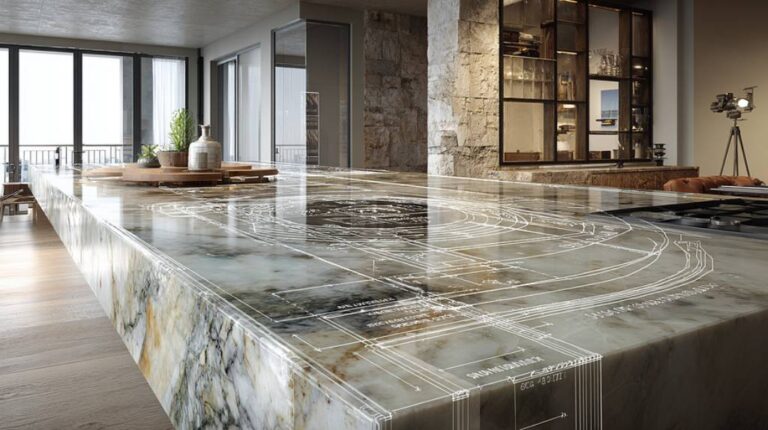
Dead load calculations are not theoretical exercises. They determine slab reinforcement ratios, beam dimensions, and foundation design. A heavier finish may require thicker slabs or additional steel reinforcement to control deflection. Without these adjustments, structural bending increases over time, and finishes above become vulnerable to stress.
The relationship between weight and deflection is particularly critical in floor systems. Even when structural elements remain within safety limits, excessive deflection can translate into surface distress. Rigid finishes respond directly to micro-movements. A material that appears flawless at installation may reveal hairline cracks months later if the slab beneath it flexes beyond tolerance.
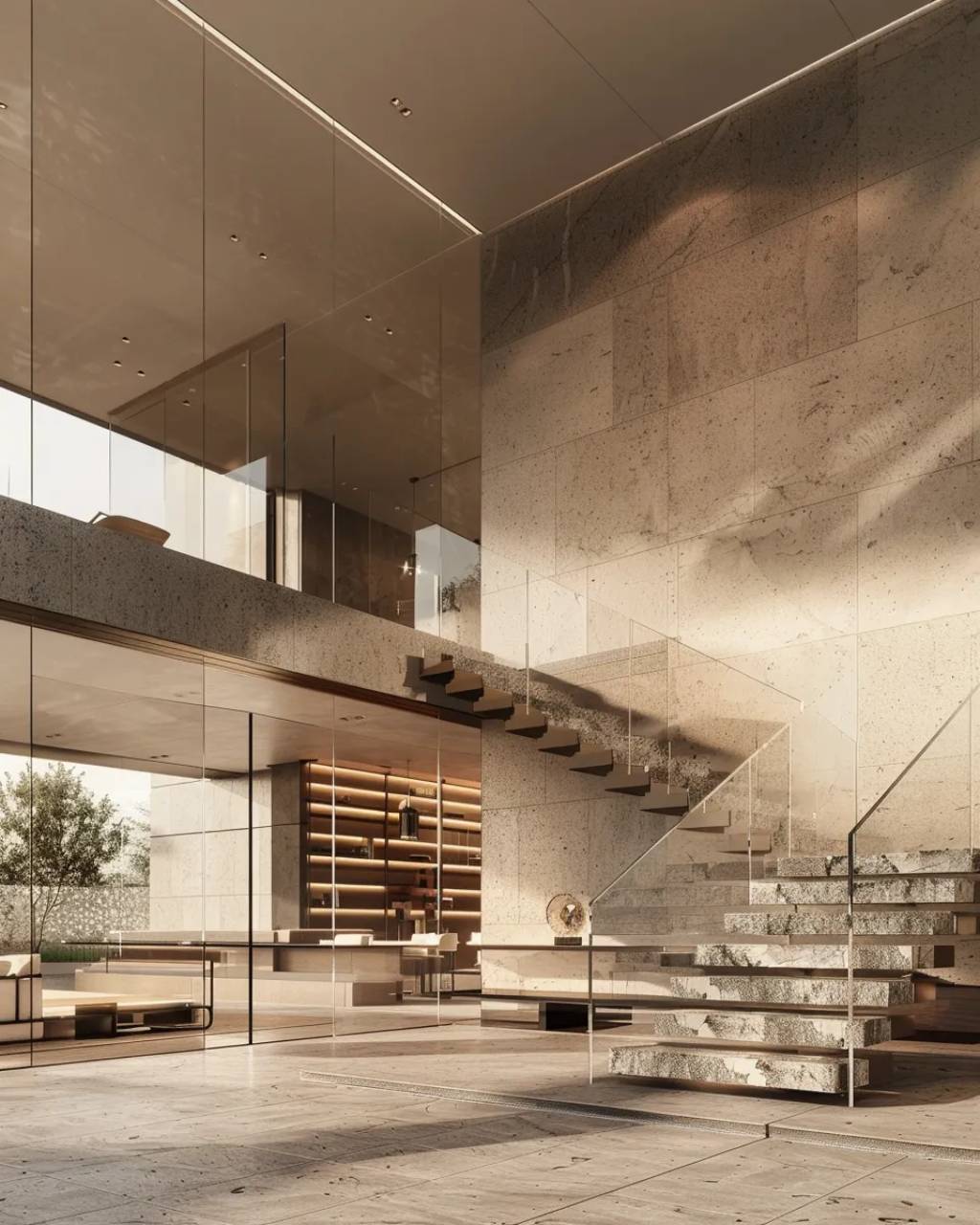
Stair design offers another clear example of weight as a design variable. Monolithic stone stair treads introduce concentrated load at specific structural points. Their mass affects stringer sizing, anchoring methodology, and support conditions. A floating stair clad in dense material may appear visually effortless, yet its engineering requires deliberate reinforcement and anchorage planning.
Facade applications amplify the structural conversation further. Stone cladding systems are not simply adhered surfaces; they are anchored assemblies. The weight of each panel must be transferred safely to the structural frame through mechanical fixings designed for both gravity and lateral forces. Wind loads, seismic considerations, and thermal expansion compound this equation. Anchoring systems must accommodate movement while supporting mass.
The physicality of dense materials also influences transport, handling, and installation methodology. Lifting equipment, slab orientation, joint spacing, and safety protocols all respond to weight. A heavier material requires slower, more controlled sequencing. The structural rhythm of the project shifts accordingly.
None of this suggests that heavy materials are problematic. On the contrary, mass contributes to qualities that define enduring luxury, thermal stability, acoustic performance, and a sense of permanence. Weight carries presence. It communicates solidity and intent. But that presence must be engineered, not assumed.
When weight is acknowledged early in design development, it becomes an asset rather than a constraint. Structural engineers can optimise slab design to accommodate load. Reinforcement can be calculated precisely. Anchoring systems can be detailed to integrate seamlessly within architectural geometry. Collaboration between architecture and engineering transforms mass into controlled performance.
Problems arise when material weight is treated as secondary. Selecting a dense surface late in the process may force reactive structural modification. Retrofitted reinforcement, compromised detailing, or reduced tolerance margins increase long-term risk. The building adapts under pressure rather than performing with intention.
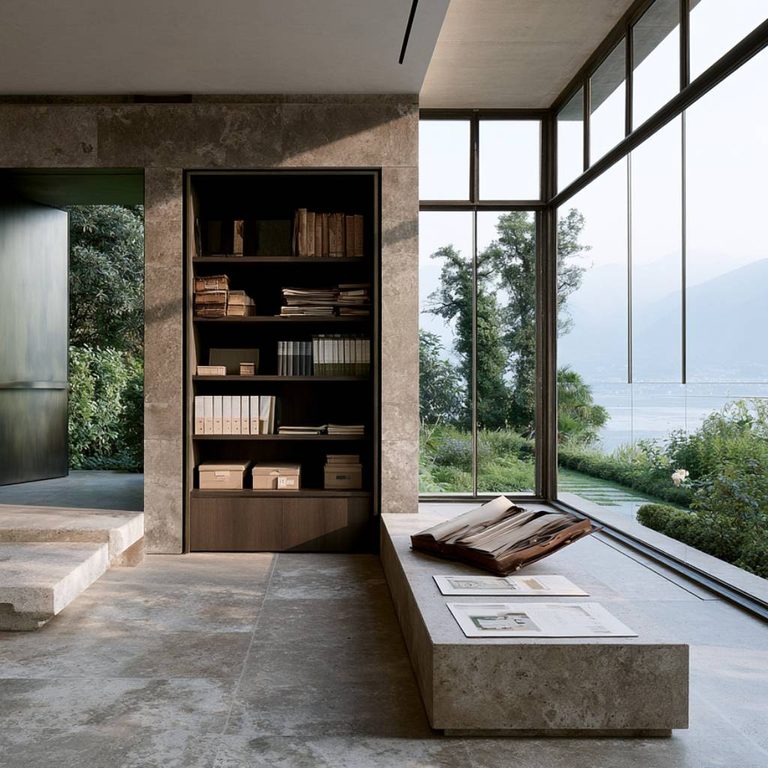
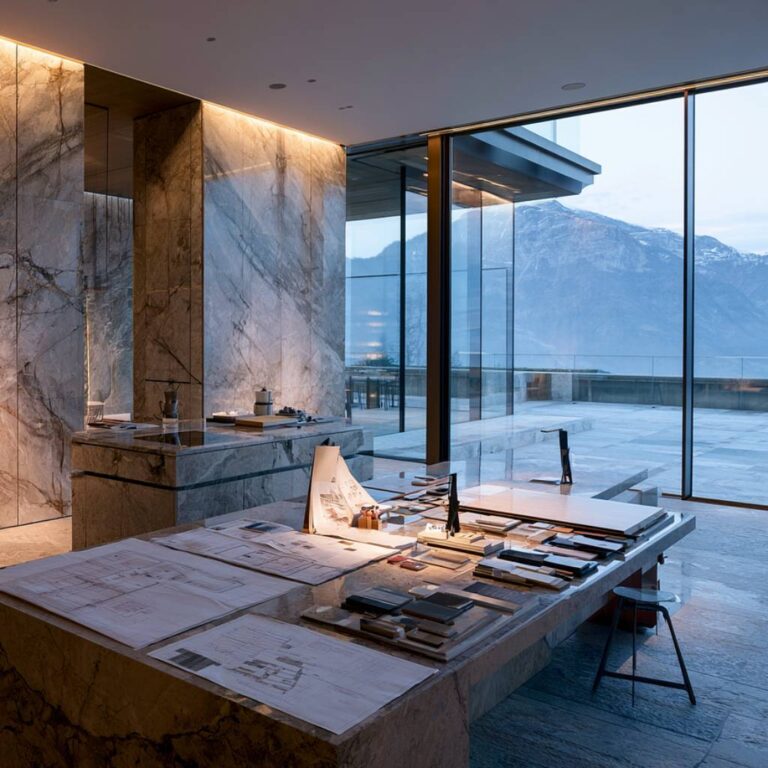
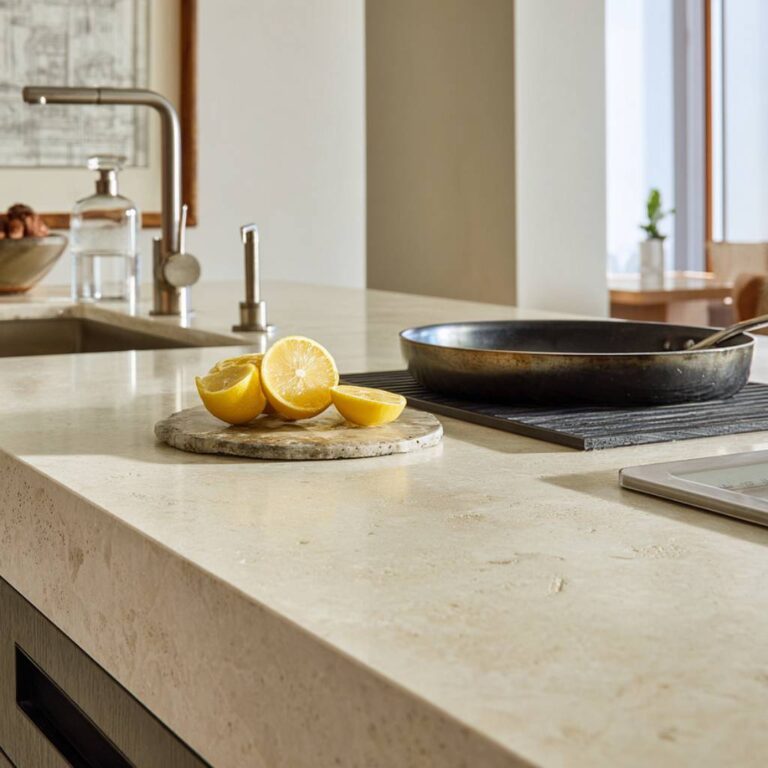
In high-end homes, the physicality of materials is part of their appeal. A thick slab edge. A monolithic stair tread. A façade that reads as substantial rather than superficial. These qualities depend on structural readiness. Weight must be anticipated, not accommodated after the fact.
Architecture at its most refined acknowledges gravity as a design partner. It understands that mass is not decorative. It is mechanical. The relationship between material and structure is not optional; it is foundational.
When weight is treated as a primary variable, calculated, coordinated, and integrated, rigid materials perform with dignity over decades. When weight is overlooked, the structure absorbs stress in ways that may not reveal themselves immediately.
Luxury defined by permanence begins with structural clarity. And structural clarity begins with understanding that every kilogram matters.
Weight is not simply a property of material. It is a force that shapes the building itself.