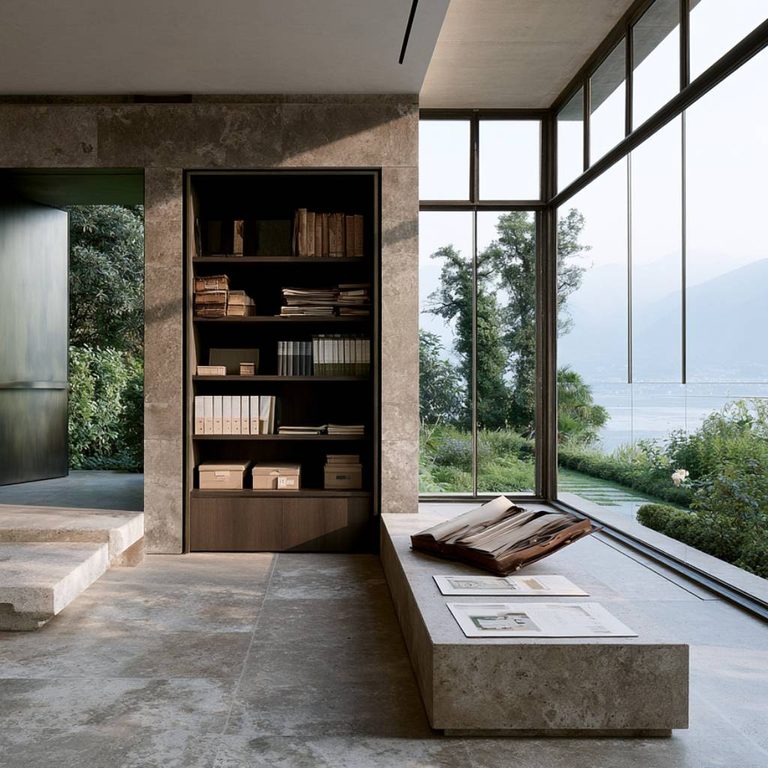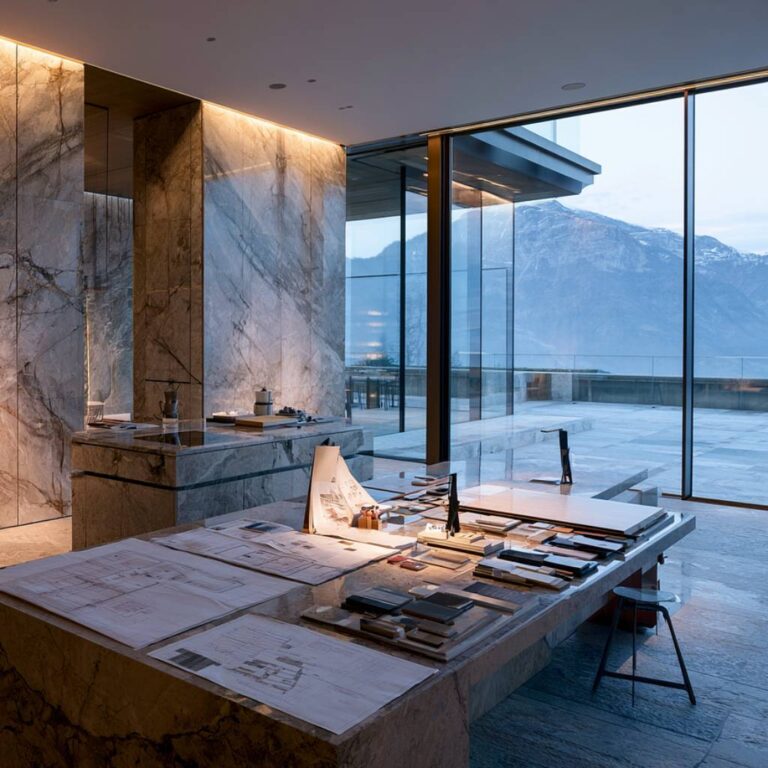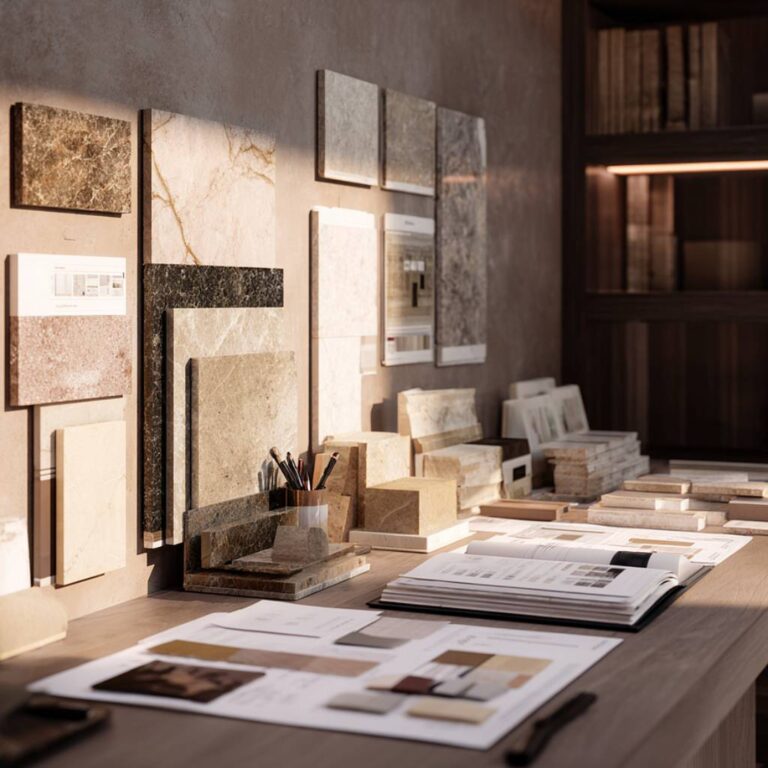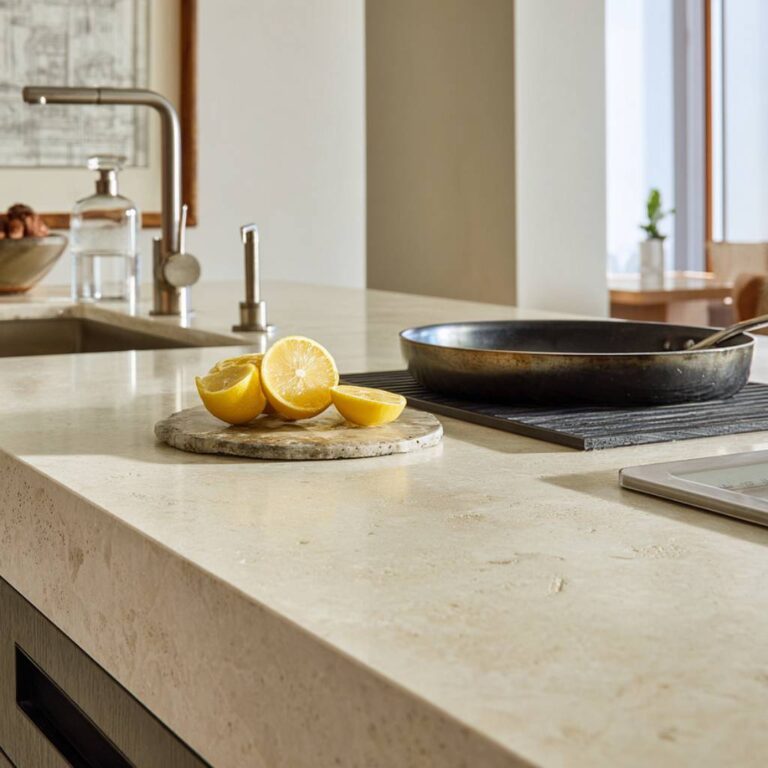
Luxury residential design has long been driven by immediacy. Visual impact at completion. Photographic perfection. The applause of handover day.
But the definition of luxury is changing.
For ultra-high-value homes, the real measure of success is no longer how a space looks in its first year. It is how it performs in its thirtieth.
Designing for a 30+ year lifespan requires a shift in mindset that is from aesthetic momentum to lifecycle intelligence. It asks different questions. Not “How impressive will this be?” but “How will this behave after decades of occupation?”
This is where multi-generational planning begins.
The Illusion of Permanence
Many homes are designed to appear permanent without being structurally or materially prepared for long-term endurance. Thin finishes, trend-driven materials, and short replacement cycles create a hidden maintenance burden.
At first, this burden is invisible.
Five years pass. Minor surface repairs begin. Ten years pass. Replacement cycles accelerate. Fifteen years pass. Materials that once felt contemporary now feel dated or worn unevenly. At twenty years, the home requires partial renewal.
This is not multi-generational planning. It is deferred reconstruction.
A 30-year design horizon demands materials whose lifecycle aligns with structural lifespan and not with design trends.
Understanding Material Lifecycles
Every surface carries an implicit replacement cycle.
Paint may require renewal every five to seven years. Engineered laminates may degrade within a decade depending on use. Certain synthetic finishes can discolour or delaminate under UV exposure or moisture stress. Adhesive-bonded systems may fail earlier if substrate conditions shift.
These are not failures of quality; they are properties of material chemistry.
In contrast, some materials mature rather than deteriorate. They absorb wear gradually, often allowing refinishing instead of full replacement. Their performance does not rely on surface coatings alone but on intrinsic density and structure.
The distinction is critical.
When designing for 30+ years, the goal is not zero maintenance. It is manageable maintenance. Materials that can be restored, honed, or resealed extend their usable life significantly without requiring demolition.
Replacement is expensive. Restoration is strategic.
Maintenance Economics Over Time
Initial cost often dominates material decisions. However, in long-cycle homes, upfront cost becomes less relevant than cumulative maintenance cost.
A surface that costs 20% less initially but requires full replacement every 10–12 years may exceed the lifecycle cost of a more durable material within two decades. Add labour, disruption, and procurement complexity, and the economic equation shifts further.
Multi-generational planning evaluates total cost of ownership.
This includes:
· Frequency of refinishing and resealing
· Likelihood of batch mismatch during replacement
· Structural compatibility over time
· Ability to absorb minor wear without aesthetic failure
· Disruption cost during corrective works
Homes intended to last for decades should not depend on materials that demand constant renewal.
Structural Longevity and Surface Stability
Long-term planning also requires alignment between structure and finish. Materials chosen for permanence must sit on substrates prepared for stability. Slab reinforcement, movement allowances, moisture control, and expansion planning all contribute to lifespan.
A long-cycle surface on a short-cycle substrate creates imbalance.
When material lifespan exceeds structural preparedness, premature distress occurs. True longevity requires systemic thinking like structure and surface designed with matching horizons.
Adaptability Across Generations
Multi-generational homes are not static. Families evolve. Children grow. Usage patterns change. Furniture layouts shift. What remains constant should be foundational surfaces: floors, stairs, primary wall cladding, that anchor the home’s identity.
Short-cycle finishes limit adaptability. Replacing foundational surfaces disrupts architectural continuity. In contrast, durable materials create a stable base upon which interior styling can evolve without structural intervention.
The most enduring homes are those whose core materials outlast decorative phases.
A Different Definition of Luxury
There is a quiet confidence in a home that does not require reinvention every decade. Its surfaces bear subtle evidence of time without appearing fatigued. Its materials remain structurally sound and visually grounded. It does not chase trends; it absorbs life.
This is not nostalgia. It is discipline.
Multi-generational planning recognises that permanence is not achieved through thickness alone, but through compatibility between material, structure, and environment.
Dense, intrinsically stable materials often align naturally with long-cycle thinking. Their weight, durability, and repairability allow them to age with continuity rather than fragmentation. They do not depend on surface veneers to perform.
In homes designed for thirty years or more, such materials quietly become the logical foundation.
Designing Beyond the First Owner
Perhaps the most significant shift in multi-generational planning is psychological. It requires designing for occupants not yet present. For children who will inherit the space. For future adaptations that cannot yet be predicted.
This perspective reduces impulsive decisions. It favors structural clarity over decorative excess. It prioritizes materials that can endure heavy use without structural compromise.
Luxury, when viewed through this lens, is not excess. It is resilience.
The Thirty-Year Question
Before finalising any major surface in a high-end residence, one question should be asked:
Will this still perform, economically and structurally, thirty years from now?
If the answer depends on repeated replacement, complex batch matching, or frequent structural intervention, the material may not align with multi-generational intent.
Homes designed for decades require surfaces that cooperate with time rather than resist it.
Thirty years is not an abstract number. It is a design commitment.
Multi-generational planning is less about forecasting style and more about engineering durability. It positions materials as long-term partners in the life of the home, not short-term visual statements.
In architecture, permanence is not declared. It is built into the lifecycle from the beginning.